
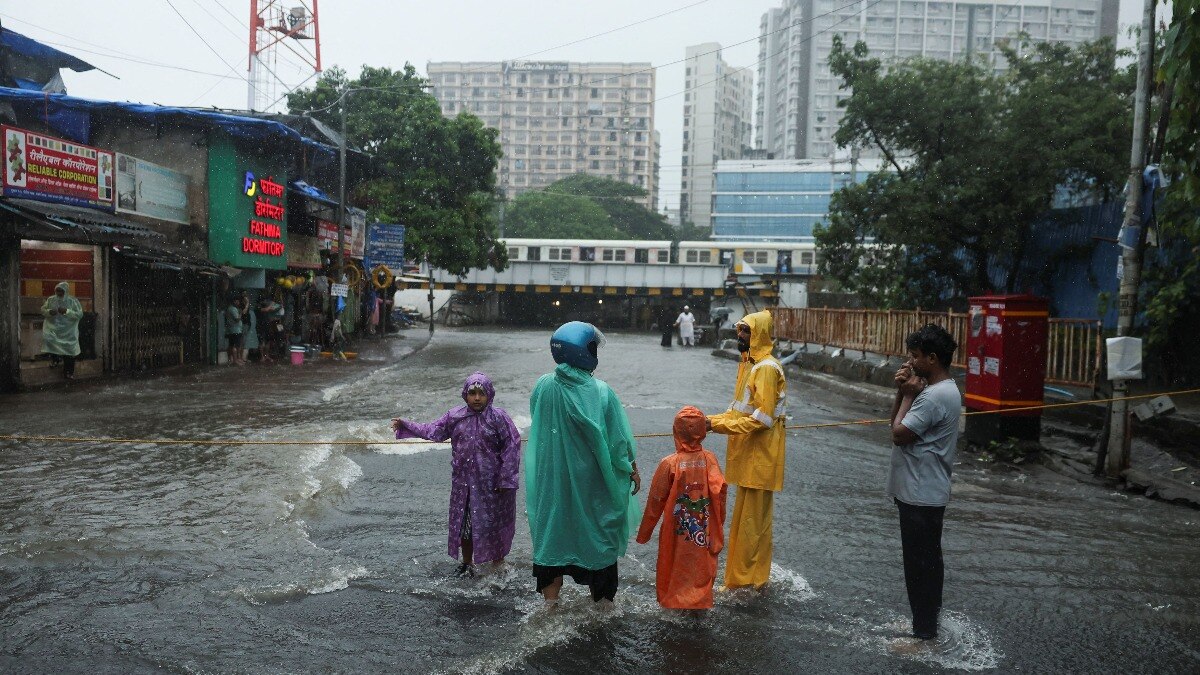
Monsoon infections are often associated with fever, diarrhoea and mosquito borne illnesses, but their impact on kidney health is less discussed. Experts warn that contaminated water, dehydration and infections can sometimes trigger acute kidney injury and serious complications.A municipal employee in a yellow raincoat stops people from crossing a flooded underpass after heavy rains in Mumbai. (Image: Reuters)The monsoon brings relief from the heat, but the rainy season also creates conditions that can increase the risk of infections. Flooding, stagnant water, poor sanitation and contaminated food and drinking water can expose people to several illnesses. While fever, diarrhoea, vomiting and mosquito-borne diseases are common concerns during this time, there is another organ that may be affected: the kidneys.According to Dr Javaid Tahir, Consultant Nephrology, NephroPlus, infections and dehydration during the monsoon can sometimes put significant stress on the kidneys. In some cases, this may result in acute kidney injury, or AKI, a sudden decline in kidney function that can require hospitalisation and, in severe cases, dialysis.CONTAMINATED WATER CAN INCREASE INFECTION RISKOne of the important infections associated with exposure to contaminated water during the monsoon is leptospirosis. It is caused by bacteria called Leptospira and becomes a greater concern during heavy rainfall and flooding.Floodwater can become contaminated when sewage, animal urine and other pollutants mix with water. The bacteria can enter the body through small cuts or wounds on the skin. It can also enter through the eyes, nose or mouth. Leptospirosis can cause symptoms such as fever, headache, muscle pain and weakness. In severe cases, it can affect several organs, including the kidneys. Kidney injury may occur along with complications such as jaundice and bleeding problems.DIARRHOEA AND VOMITING CAN PUT PRESSURE ON THE KIDNEYSContaminated food and drinking water can lead to gastrointestinal infections, which may cause diarrhoea and vomiting. These conditions can result in the loss of large amounts of water and electrolytes from the body. When dehydration becomes severe, blood flow to the kidneys can fall. The kidneys need adequate blood flow to filter waste from the body and maintain the right balance of fluids and minerals. A significant drop in blood flow can therefore affect kidney function and, in some cases, contribute to acute kidney injury.People may also drink less water during rainy weather because they may not feel as thirsty as they do during hot summer months. This can make it easier to become dehydrated, particularly when someone is already unwell.DENGUE, MALARIA AND UTIS CAN ALSO AFFECT THE KIDNEYSSeveral other illnesses that become more common during the monsoon can also affect kidney health.Dengue and malaria can sometimes cause kidney complications, particularly when the infection leads to severe dehydration, inflammation, low blood pressure or other serious complications.Urinary tract infections are another concern. If a UTI is not treated properly, the infection can travel upwards from the bladder to the kidneys and cause a kidney infection, also known as pyelonephritis.Early medical attention is important because infections affecting the kidneys can become serious if treatment is delayed.WHO NEEDS TO BE MORE CAREFUL?The risk of kidney complications may be higher in people who already have reduced kidney function or other health conditions.Older adults and people living with chronic kidney disease, diabetes or hypertension need to be particularly careful during infections and episodes of dehydration. People undergoing dialysis and those with a history of kidney stones or repeated urinary tract infections may also have less kidney reserve to cope with sudden illness.This does not mean that every person with these conditions will develop kidney problems during the monsoon. However, infections, dehydration and sudden changes in blood pressure can be more difficult for vulnerable kidneys to handle.HOW TO PROTECT YOUR KIDNEYS DURING MONSOONSimple precautions can reduce the risk of infection and dehydration. Avoid unnecessary contact with stagnant or floodwater, particularly if you have cuts or wounds on your skin. If you come into contact with potentially contaminated water, wash the exposed skin thoroughly with soap and clean water.Drinking enough safe and clean water is also important, unless a doctor has advised you to restrict your fluid intake because of a medical condition.Most importantly, do not ignore warning signs. Persistent fever, very low urine output, severe weakness, repeated vomiting, swelling, jaundice or fever accompanied by significant muscle pain, especially calf pain, should prompt medical evaluation.The kidneys may not always produce obvious early symptoms when they are under stress. During the monsoon, preventing infections, maintaining adequate hydration and seeking timely medical care can therefore play an important role in protecting kidney health.- EndsPublished By: Smarica PantPublished On: Sep 14, 2026 13:46 IST
Can monsoon infections harm your kidneys? Doctor explain the hidden risk
Full Article
Original Source
Read the full article at Indiatoday →KhanList aggregates and links to publicly available news content. We do not host full articles from third-party sources. Always verify important information with original sources.