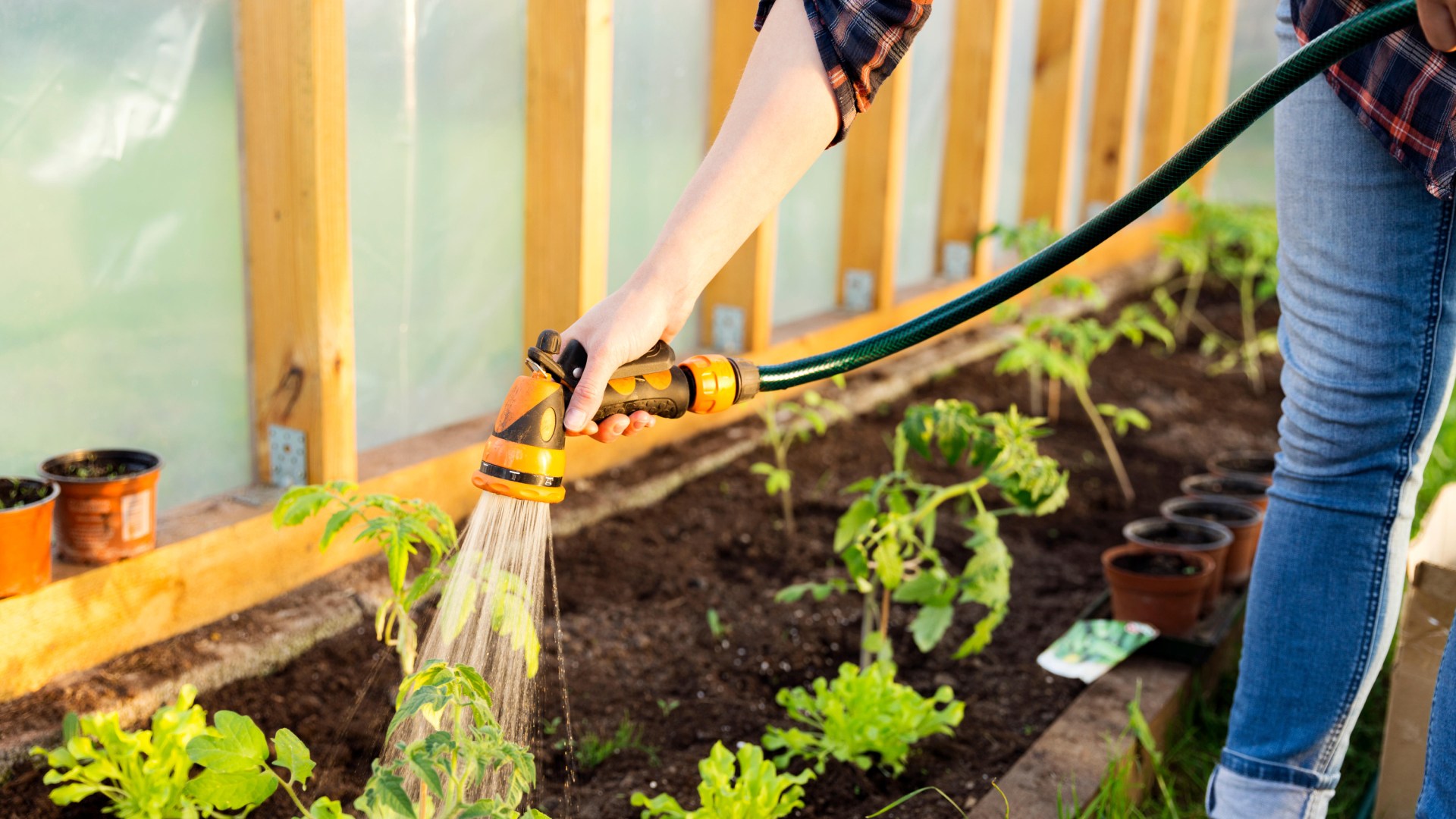
FOLLOWING an exceptionally dry spring and weeks without significant rainfall, millions of British households are facing strict hosepipe bans. Over 23million people across England and Wales are currently under Temporary Use Bans (TUBs) as water suppliers struggle to manage surging demand. When a ban kicks in, using a hosepipe connected to the mains water supply is off-limits Credit: PA But you’re perfectly entitled to fill up a watering can at the communal allotment tap Credit: Getty As such, Brits have been left wondering how to keep their beloved veggie patches and flower beds from turning to dust. If you’ve spent months lovingly tending to your runner beans and tomatoes, the thought of them shrivelling up is enough to make you weep. Sign up for The Sun newsletter Thank you! But a hosepipe ban doesn’t mean you have to watch your hard work wither away. It just means you have to get a bit smarter about how you water. Can I water my allotment during a hosepipe ban? Under official rules, allotments are classed as gardens, which means they are covered by the same restrictions as the lawn behind your house. When a ban kicks in, using a hosepipe connected to the mains water supply to drench your plot is strictly off-limits. Instead, you’ll need to rely on good old-fashioned elbow grease. You are perfectly entitled to fill up a watering can or a bucket at the communal allotment tap and carry it to your crops. It might take a bit longer, but it uses significantly less water, saving hundreds of litres an hour. Most read in The Sun Some water companies do offer exemptions for growing food crops if hand-watering is completely unfeasible, or if you are a Blue Badge holder or on a Priority Services Register due to a disability. But these rules can vary wildly depending on who supplies your water. Always check your local provider’s website before uncoiling the hose, or you could be slapped with a fine. Can I water crops in my garden at home? Just like at the allotment, using a mains-connected hosepipe to water the fruit and veg in your back garden is a big no-no during a ban. Whether you’re growing strawberries in raised beds or potatoes in a patch by the patio, the hose is out of bounds. The ban also includes sprinklers, which are notorious for guzzling huge amounts of water in a short space of time. But you can still use watering cans and buckets filled from the tap. Better yet, if you have a water butt installed, you can use a hosepipe connected to that to water your garden, because it uses recycled rainwater rather than putting pressure on the mains supply. Many water companies also allow the use of automated drip or trickle-irrigation systems. These are usually permitted provided they are fitted with a pressure-reducing valve and a timer, and drip water directly onto the soil rather than spraying it into the air. What can I do to keep my crops thriving during a ban? Keeping your veggies plump and juicy during a dry spell is all about making every single drop count. Here are the best ways to beat the ban: Time it right: Never water in the midday heat. The sun will just evaporate the moisture before it reaches the roots. Instead, water early in the morning or late in the evening when it’s cooler. Focus on the roots: Don’t splash water all over the leaves. Aim the spout of your watering can right at the base of the plant so the water soaks deep into the soil where it is actually needed. Use ‘greywater’: Don’t pull the plug on your dirty bathwater. Soapy water from the bath, shower, or washing-up bowl (known as greywater) is generally safe to use on mature plants. Just avoid using water that contains heavy bleach, disinfectants, or harsh cleaning chemicals, and avoid splashing it directly on the edible parts of crops. Mulch your beds: Adding a thick layer of organic matter – like compost, grass clippings, or bark chips – over the soil around your plants acts like a blanket. It traps the moisture in the ground and stops it from evaporating. Sacrifice the lawn: Your grass might turn yellow, but don’t waste precious watering-can trips on it. Grass is incredibly resilient and will bounce right back to vibrant green as soon as the autumn rain arrives. Prioritise your thirsty veg and young, vulnerable seedlings. Comment now
Can I water my allotment during a hosepipe ban?
Full Article
Original Source
Read the full article at Thesun →KhanList aggregates and links to publicly available news content. We do not host full articles from third-party sources. Always verify important information with original sources.