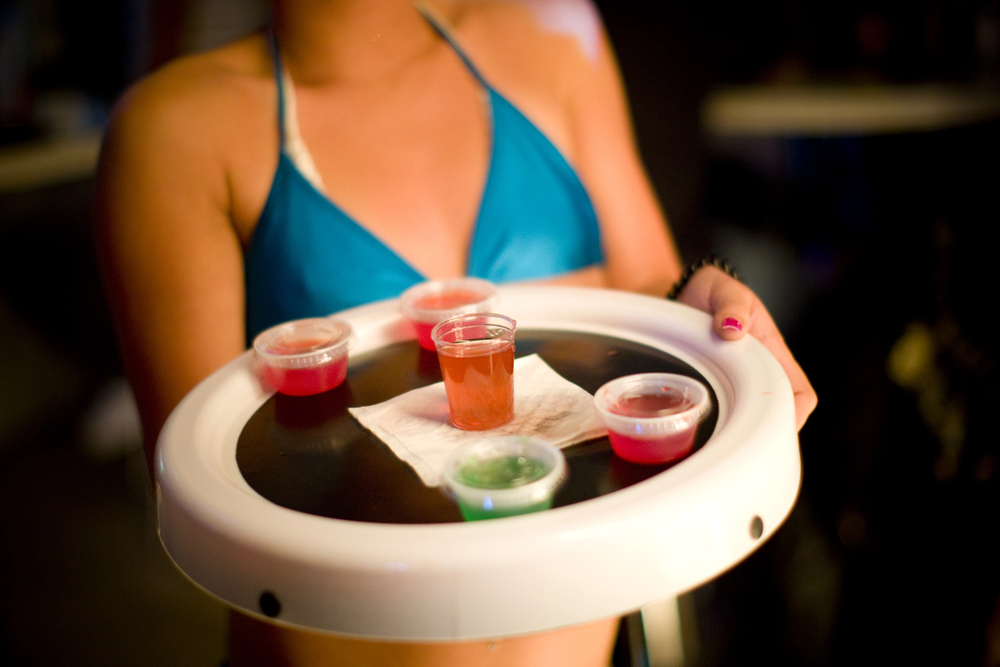
For almost eight years now, South Carolina bars, restaurants and music venues have faced a sobering situation brought on by a 2018 state law that requires at least $1 million in liquor liability coverage: Pay unaffordable premiums or shut their doors altogether. Multiple establishments, including some favorite watering holes and concert arenas across the state, have chosen the latter route and have closed down permanently. An investment manager-turned-insurance executive and a group of like-minded people in the hospitality industry believe they’ve finally come up with at least a partial solution: A captive insurance company that can provide coverage at one-third to one-half of the price that traditional insurance companies have offered for the state-mandated coverage. “State lawmakers didn’t want to do anything, so we took things into our own hands,” said Christopher Smith, executive director of the South Carolina Bar & Tavern Association. The association is led in part by Andrew Reina, a former New Yorker and now a Charleston wealth manager who decided to launch Ragnar Hospitality Insurance two years ago. He believes the captive approach, authorized by 2025 state legislation, can fill the gap and provide affordable liability insurance by doing something most insurance carriers don’t—intense, hands-on vetting of establishments, partly through surprise inspections and secret-shopper visits to prospective clients. Reina The idea is to see if bar and restaurant owners are telling the truth about their liquor-selling practices, underage-drinking enforcement, hours of operation and more. “Most insurance companies look only at the total alcohol sales,” Reina told Insurance Journal. “If it’s less than 50% of total sales, they’ll think about writing it. But that’s a completely inaccurate way to measure the risk.” A better approach, Reina said, is to look at other factors, including the amount of alcohol sold per patron. Reina estimates that one third of all establishment proprietors that he has run across tend to lie on their insurance applications. One recent applicant indicated that in recent years, he had obtained dram shop coverage through a Berkshire Hathaway subsidiary. And, by the way, the bar has “armed security,” the owner said on the application, perhaps hoping that would qualify his place for a premium discount. “I know they lied about that,” Reina said. Because few, if any insurers will even think about writing a place that mixes firearms with alcohol sales. Reina’s group also decided to take a pass on writing the establishment. In another recent example, Reina said he drove two hours one night—unannounced—to check out an applicant’s bar in upstate South Carolina. He sat at the bar, had a beer, then heard a young man next to him order 10 “jello shots” for a dollar each. Reina knew that the bar’s insurance policy carried an exclusion that barred coverage if drinks are sold at such low prices. “I knew then that I was done and we couldn’t cover them,” Reina added. Most importantly, Reina and associates spend time talking to other bar owners and managers in the same city as a prospective bar policyholder. Those conversations can provide valuable intel about an establishment’s habits, history and permissiveness, he said. Another trick: Ragnar Insurance takes a hard look at bathrooms. If they’re clean, that gives an idea that the owner is keeping his or her eye on things. “If they’re not paying attention to that, they’re probably not paying attention to other things,” Reina said. In an age of increasing customer use of direct-to-carrier coverage, online price quotes and more and more use of artificial intelligence in the insurance industry, Reina’s team believes the hands-on human approach is really the only way to write liability coverage. So far, the approach seems to be gaining steam. The captive has obtained reinsurance from Gen Re, the multinational reinsurance firm, and Ragnar has signed up 39 establishments for coverage. Most of those have obtained the required level of coverage at much lower premiums, the group explained. For one place, the best quote the owners could find from admitted insurance carriers was $42,000 a year, on $1.5 million in sales. Reina, a licensed insurance producer, said his group quoted it at $23,000. Others in the state have expressed skepticism that the captive model can last or make a difference. One independent agent said that the intense scrutiny of customers is too time-consuming and labor intensive to be sustainable. “It sounds too good to be true,” the agent said. “I hope they are successful; I really do. But I’m leary of it,” said Becky McCormack, president of Big I of South Carolina, the independent insurance agents’ association. Her concern is not with the captive managers themselves, but with South Carolina statutes that continue to allow joint and several liability, which let plaintiffs seek large damage amounts from parties who may have played a small role in an alcohol-caused accident. Many bars and restaurants already have stepped up enforcement, including checking identification to weed out underage drinkers. They have limited their hours of operation and have added alcohol training for servers, she said. Yet, they still can’t find reasonably priced coverage. And one captive won’t be enough to reach the hundreds of places that need affordable liability protection. The state really needs comprehensive tort-reform laws, much like Georgia and Florida have adopted in the last four years, that can limit outsized verdicts that can cripple businesses and cost insurers significantly, McCormack said. Only that will attract more insurers willing to write liquor coverage. Opponents of changing South Carolina statutes have argued that those businesses that sell alcohol need to face stiff penalties for overserving, after years of some high-profile drunken driving accidents. Reina believes his high-scrutiny captive plan can work, given time, and can even spread to other states and to other types of businesses. Vermont, for example, has similar liability coverage requirements and statutes. Childcare and logging-truck operations are two niche industries that have famously seen high premiums and hard-to-find coverage. “Insurance is driven by actuarial tables,” Reina noted. “But assuming that future risk is always indicated by past performance is wrong for picking stocks and it’s wrong for insurance in many cases.” Ragnar Insurance is named after a fictional character in Viking mythology, popularized in books and television shows. It was a nickname Reina said his high school coach gave him: The coach said Reina was picking fights, like the Viking warrior. Reina’s captive company’s journey has not been without its own turbulence and courtroom fights. In 2024, Ragnar hired a Florida-based captive management firm led by William McClure, a former county commissioner and candidate for Congress, to help set up the captive program. But by 2025, the relationship had soured. Ragnar filed suit in South Carolina, charging that McClure had misrepresented that he had authority to underwrite reinsurance on behalf of Berkshire Hathaway and American International Group (AIG). McClure has denied the accusations and filed his own counterclaim against Reina. Both claims are still pending in Charleston County court. Topics Liability
Can Captive’s Hands-on Vetting of Bars Provide Answer to SC Liquor Liability Crisis?
Full Article
Original Source
Read the full article at Insurancejournal →KhanList aggregates and links to publicly available news content. We do not host full articles from third-party sources. Always verify important information with original sources.