
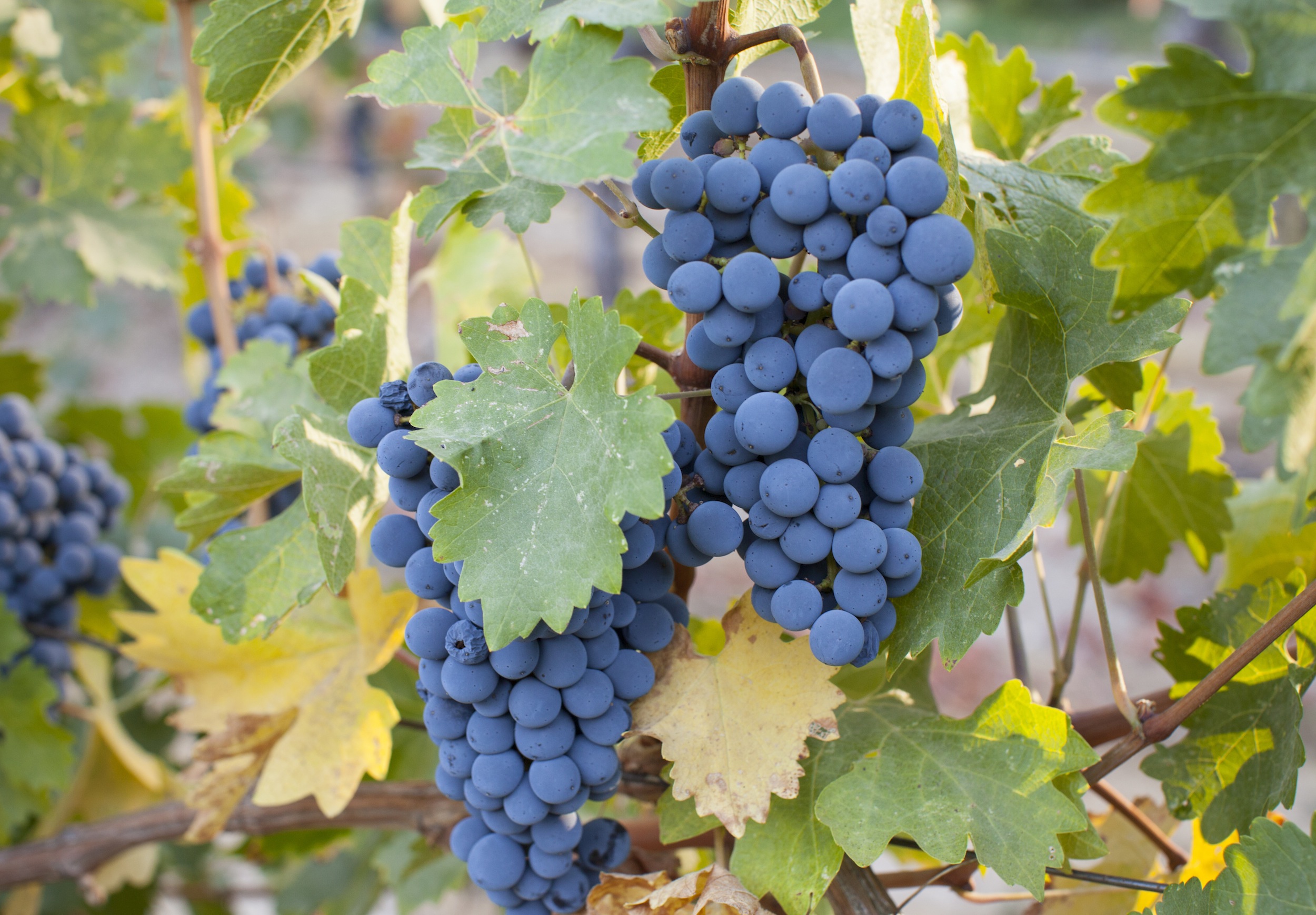
Key Takeaways Napa and Sonoma had their earliest grape harvest in decades. Since its 1959 founding, Rodney Strong Vineyards has perfected its wine-growing and -making process. Any business — wine-related or not — can learn from the winery’s intentional approach to harvest. Napa Valley and Sonoma, two of California’s top-growing wine regions, recently underwent their earliest grape harvest in decades. In response to a record-breaking March heat wave and early bud break, grape-picking started in July. The process typically starts in early to mid-August. Cabernet Sauvignon. Image Credit: Rodney Strong Vineyards. Fortunately, wine-growers and -makers across the region turn to harvest playbooks that have withstood the test of time. One of them is 67-year-old Rodney Strong Vineyards in Healdsburg, California. Rodney Strong, who had a brief stint in the Navy before dancing on Broadway in New York City, retired from performing life and established his namesake winery in 1959. He brought on Rick Sayre as winemaker in 1979. In 1989, the Klein family purchased Rodney Strong Vineyards. A graduate of Stanford’s MBA program, Tom Klein met Strong and Sayre a decade prior when his team at McKinsey & Company was hired to evaluate the winery. To this day, more than six decades on, a successful harvest at Rodney Strong Vineyards strikes the balance between art and science. (Just one example of many: The preferred light pink shade of Rodney Strong’s rosé requires bringing those grapes in under the cover of night, before any heat can degrade them). Brothers Vineyard. Image Credit: Rodney Strong Vineyards. During the final days of 2026’s harvest, Entrepreneur visited Rodney Strong Vineyards and its estate vineyard Rockaway Vineyards to learn more about the business’s approach. The takeaways from chief winemaking and operations officer Justin Seidenfeld and head of winegrowing Allison Derrico can ripen any business for success, whether or not they’re focused on the vine. Supply chain and preserving value Businesses should never underestimate the value of knowing their supply chain — and its nuances — to ensure their product delivers on quality every time. On the topic of Rodney Strong’s very intentional rosé: Heat is the most immediate logistical risk to grape quality between a morning harvest at Rockaway Vineyards and the crush pad. “As the fruit sits in the sun, it will begin to dessicate,” Seidenfeld says. “That will change the balance of the fruit.” That’s why the team starts picking grapes at dawn and fast tracks them to the winery. The fruit is kept in an air-conditioned space until it’s sorted and put into a tank for fermentation, Seidenfeld notes. These days, businesses across industries can drill down on their supply chain with advanced technologies that gather data at every touchpoint, putting an innovative twist on operational fundamentals that comes with a major competitive advantage. Image Credit: Rodney Strong Vineyards Resource allocation In a similar vein, businesses have to understand their assets and how to prioritize them for long-term success. Rodney Strong boasts a robust wine portfolio. A premium, small-lot Rockaway grape experiences a different crush and fermentation than a larger-lot grape destined for the broader Sonoma County or Estate tiers. Rodney Strong’s Sonoma and Estate wines are larger, so they require a less precise “sweet spotting” technique compared to Rockaway and other reserve wines, Seidenfeld says. Still, those grapes destined for the broader tier are managed closely to ensure quality. “[We rely on] careful site development to keep the block as uniform as possible and the implantation of deficit irrigation to help find as much balance across the whole block as possible,” Seidenfeld says. What’s more, any business can put this into practice by zeroing in on an often overlooked strategy: dynamic resource allocation, which shifts money, talent and management attention to areas where they can generate the most value. Image Credit: Rodney Strong Vineyards Risk management Data analysis plays an important role in business operations and risk mitigation, but well-informed intuition can be just as valuable. At the vineyard, whether a block of grapes hangs on the vine for one more day or gets picked as soon as possible comes down to chemistry and gut feeling. Seidenfeld says the decision on when to harvest is the most important one the winery makes every year. “While we use the data from the samples we pull to guide us, the final call on when to harvest is made through our eyes and ears and taste and not with what we get from the lab,” Seidenfeld explains. Some degree of risk is inevitable in business, but entrepreneurs who pay attention to the pressures related to growth, culture and information management can sharpen their decision-making ability when it counts — and minimize potential losses. Image Credit: Rodney Strong Vineyards Sustainability and future-proofing Businesses that embrace sustainability not only foster positive consumer sentiment, but also protect their long-term product viability and bottom line. Rodney Strong became the first carbon neutral winery in Sonoma County in 2009. The team works to create a balanced growing environment with practices like water conservation, soil management and biodiversity encouragement, maintaining healthy vines and managing stress as they develop, Derrico notes. Additionally, using tools like soil moisture monitoring, weather stations and plant-based measurements allows the team to make more precise farming decisions, particularly when it comes to irrigation. “While our carbon neutrality and waste reduction efforts have broader environmental benefits, it’s these everyday practices in the vineyard that directly influence vine health, fruit development, and ultimately, wine quality,” Derrico says. The lesson for business owners? Consider sustainability a building block, not an afterthought, to ensure genuine messaging and meaningful collaboration.
California Wine Country Saw Its Earliest Harvest in Decades. Here’s How a 67-Year-Old Business Navigated It — And What Every Entrepreneur Can Learn.
Full Article
Original Source
Read the full article at Entrepreneur →KhanList aggregates and links to publicly available news content. We do not host full articles from third-party sources. Always verify important information with original sources.