
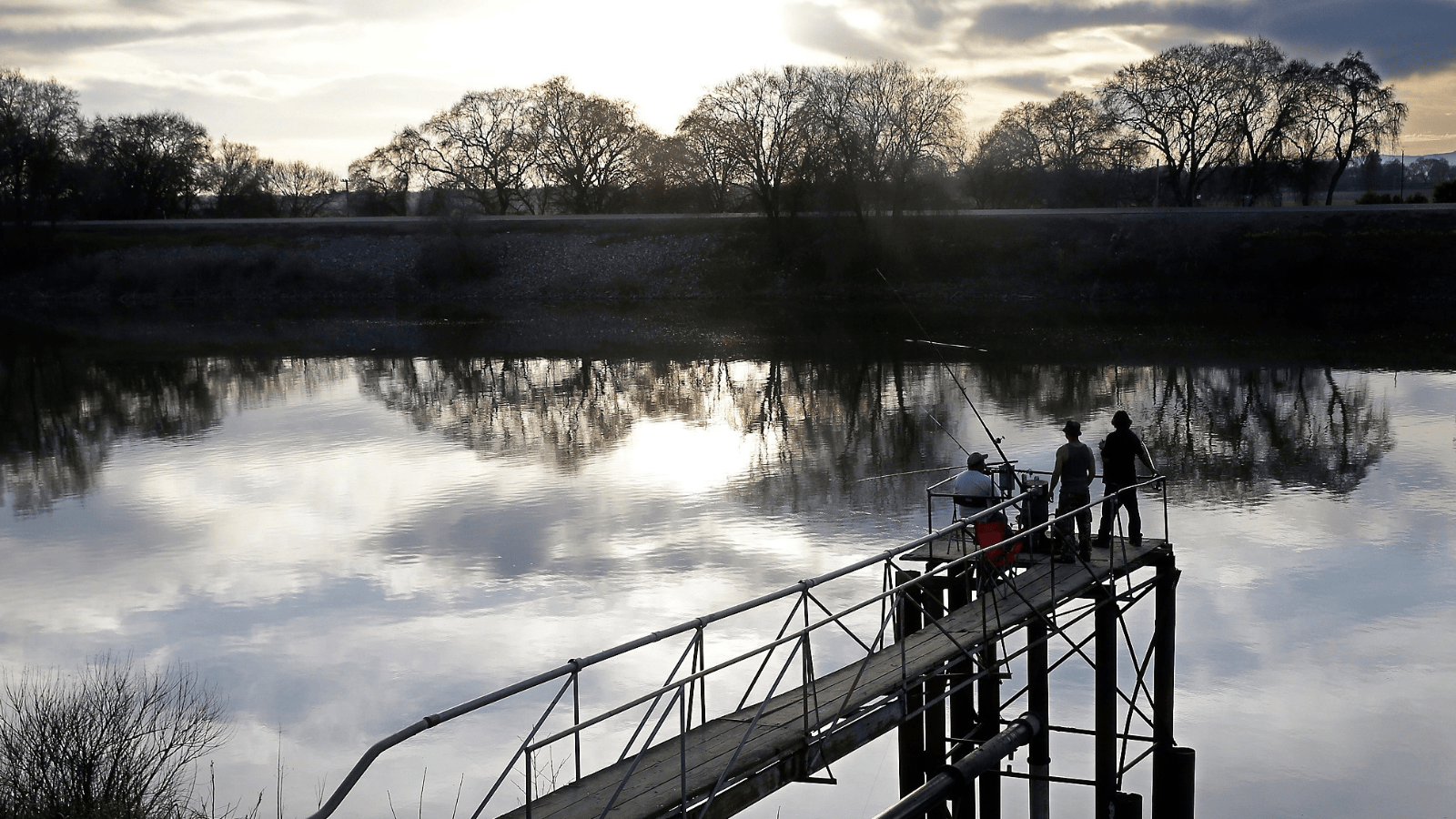
Skip to content (Image credit: AP Photo / Rich Pedroncelli, File) Transcript: The land in California’s Sacramento-San Joaquin River Delta is sinking rapidly. And in the process, it’s releasing a lot of climate-warming carbon dioxide. Hundreds of years ago, the area was mostly a wetland where waterlogged plants slowly broke down into carbon-rich peat soil. Chamberlin: “But today it looks totally different. It’s now a network of islands, many of which are 10 to 25 feet below sea level.” Sydney Chamberlin of the Nature Conservancy says the main reason for this change is agriculture. Starting in the 1800s, levees were installed and much of the land was drained to create islands where farmers could grow crops such as corn. Chamberlin: “When you take water off of peat soils, processes in the soil cause it to release carbon dioxide, which is a greenhouse gas, and makes the land subside or sink.” But she says rewetting the land can help slow that process. So the Nature Conservancy has purchased one of the islands in the Delta and turned thousands of acres of it into rice paddies, which are flooded part of the year. And they’re restoring other parts of the island back into wetlands. Chamberlin: “Together, this mosaic of rice and wetlands will not only tackle climate change and help to stop land subsidence, but also provide great food and housing for wildlife.” Reporting credit: Ethan Freedman / ChavoBart Digital Media
California restoration project turns sinking farmland into wetlands
Full Article
Original Source
Read the full article at Yaleclimateconnections →KhanList aggregates and links to publicly available news content. We do not host full articles from third-party sources. Always verify important information with original sources.