
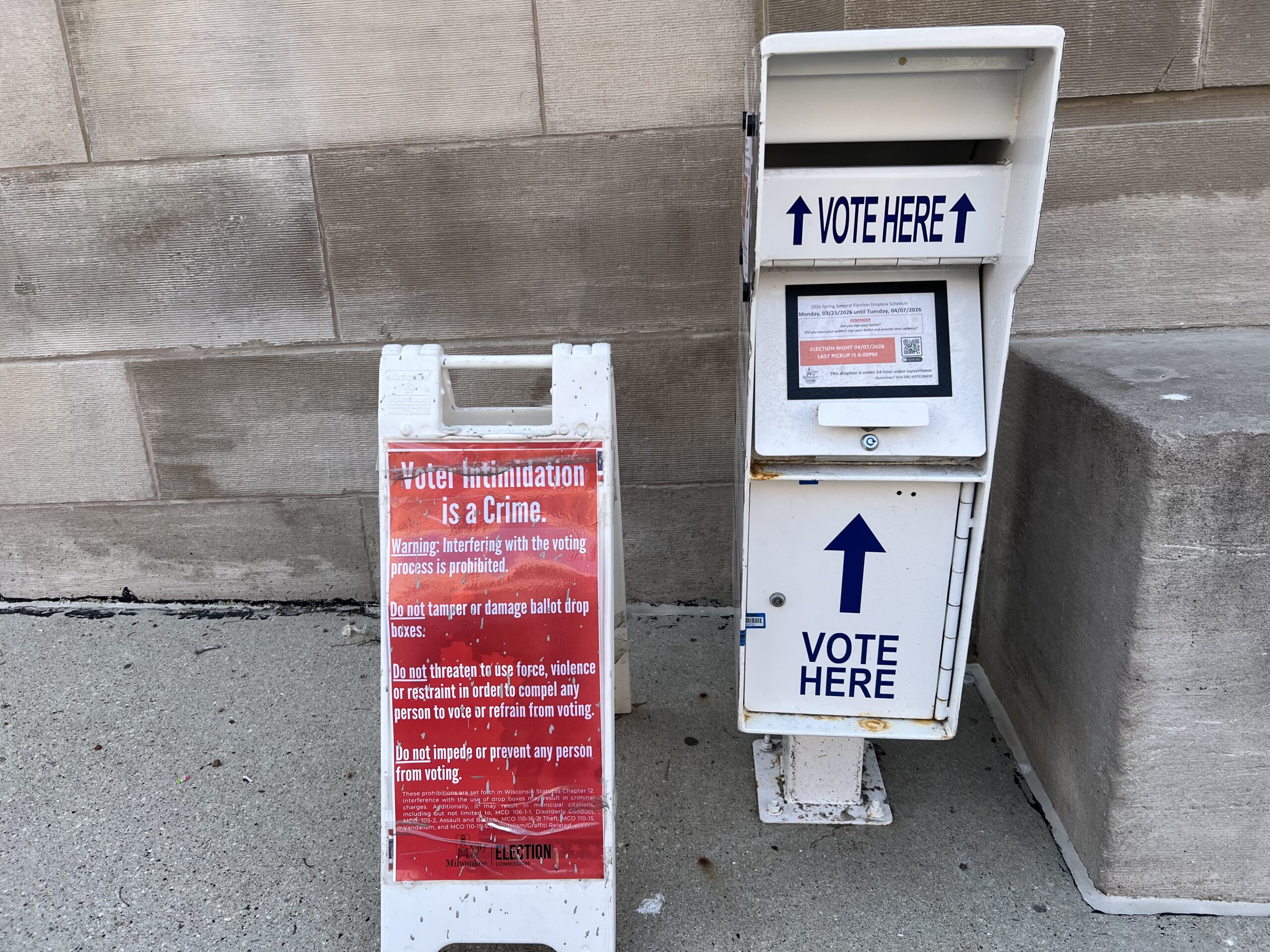
Voting advocates say the federal government targeted nine states for a surge of deployed immigration officers in order to intimidate and interfere in the midterms.OAKLAND, Calif. (CN) — A federal judge on Monday questioned the court’s ability to stop federal agents from investigating unlawful voting in a crucial lawsuit ahead of the midterm elections.The California Nurses Association, National Nurses United, Voto Latino Foundation, Santa Clara County and the city and county of San Francisco sued the federal government last month, claiming U.S. Department of Homeland Security agencies are targeting nine states with databases identifying individuals who may be voting illegally.The investigations, plaintiffs’ attorney Geoffery Curfman with the Protect Democracy Project said Monday, are causing “a credible fear” among citizens. The Homeland Security policies include a surge “sending armed federal agents to Americans’ homes or threatening their presence around polling locations in order to question voter eligibility ahead of the 2026 midterm elections,” he said.In a motion for a preliminary injunction, Curfman argued that San Francisco and Santa Clara have used resources for voter education and “know your rights” documentation in light of the investigations, and therefore have standing to bring Voting Rights Act and Administrative Procedures Act claims against the federal agencies.The plaintiffs seek to block the agencies “as soon as possible” from broadly using collected data in order to investigate people and implement field operations that are “sweeping in U.S. citizens,” Curfman said, and causing widespread election interference and voter intimidation. Curfman cited a few cases in New Jersey where naturalized citizens were arrested for unlawful voting activity even though they have a right to vote.Department of Justice attorney Kelsey Helland said the policies the plaintiffs cite cannot be seen as final agency action, a requirement for bringing claims under the APA. Helland argued the use of data between U.S. Citizenship and Immigration Services and DHS as well as the deployment of ICE agents to the nine states — California, California, Connecticut, Georgia, Missouri, Nevada, New York, Pennsylvania, Washington and Wisconsin — are investigative tactics that are part of ongoing efforts to stop unlawful voting activity, which started last year.U.S. District Judge Araceli Martínez-Olguín asked Curfman and Helland about the scope of possible relief, saying what the plaintiffs are asking for is “amorphous” and “hard to pin down.”Helland argued the plaintiffs did not have evidence of specific U.S. citizens who were interrogated as a part of the investigations. When the Joe Biden appointee questioned Helland about intimidation due to the deployment of officers, Helland argued it would at most be “ancillary intimidation that rises out of that. It is a minor aspect of lawfully investigative actions.”While there may be few in-person interrogations of citizens and prosecution of noncitizens, Curfman argued the federal agencies have boasted about its numbers investigating people through its databases — the first step in the process that could lead to more interrogations. Under the Voting Rights Act, intimidation can occur if a citizen is forced to change their voting plans, and doesn’t necessarily have to rise to the level of preventing a citizen from voting, he said.Additionally, Curfman argued federal agencies advertised they were looking into 300,000 individuals for voting related misconduct and ended up prosecuting 130 individuals. In California, the feds claimed 190,000 people have “engaged in unlawful voting activity,” then lowered the number 20,000, but their investigations led to just a single indictment, he noted.On Monday, the Department of Justice released a statement that it arrested 28 people suspected of registering to vote or voting in California elections before becoming naturalized citizens.Martínez-Olguín hinted she wasn’t likely to grant a preliminary injunction on the APA claims but took the Voting Rights Act claims under submission.Subscribe to our free newslettersOur weekly newsletter Closing Arguments offers the latest about ongoing trials, major litigation and rulings in courthouses around the U.S. and the world, while the monthly Under the Lights dishes the legal dirt from Hollywood, sports, Big Tech and the arts.Additional Reads
California counties face uphill battle over federal voting crackdown
Full Article
Original Source
Read the full article at Courthousenews →KhanList aggregates and links to publicly available news content. We do not host full articles from third-party sources. Always verify important information with original sources.