
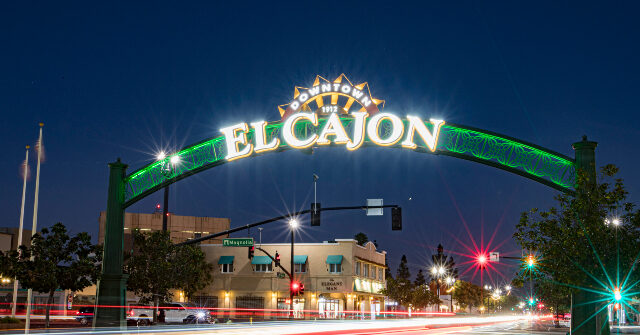
Hackers breached the computer network of a city in California and have apparently accessed a trove of sensitive police and tax-related information, local officials revealed this week. “A nearly eight-terabyte trove of city data, including employee W-2s, 911 call recordings and undercover police rosters” from the city of El Cajon have appeared on a “ransomware leak site,” San Diego’s NBC 7 reported. The city of some 100,000 residents is a suburb of San Diego. City Manager Graham Mitchell confirmed the hack, revealing to the news outlet that a “network security incident” occurred September 27, long before the news of a series of cyber incidents across the United States in recent weeks that have impacted airports, banks, and government agencies. He said the city immediately launched an investigation into the incident while also bringing in a forensic firm to determine the extent of the breach. “While the investigation is ongoing, the City of El Cajon is working to minimize any potential impact to our community,” a statement from Mitchell reads. “Our primary focus remains on a safe and efficient remediation process and the protection of the data we maintain. At this time, we are fully operational.” The Rhysida ransomware group claimed responsibility for the theft, according to cyber watchdog organizations, NBC 7 reported. The California Post reported that a Florida company called Cenova Cyber-Managed Security Services wrote about the city’s incident, “claiming that now on a ransomware leak site, there’s even things like department ‘internal affairs trackers.’” The hackers also claim to have “administrative credentials for critical systems,” according to the company, adding the incident highlights security weaknesses that can leave local governments vulnerable. “The pattern across every public-sector incident we have covered in this series is the same three gaps: vulnerabilities that sat unpatched, no continuous monitoring to catch movement, and data collected and retained with no map of where it all lives,” Cenova’s post on Facebook read, according to the Post. Gary Hayslip, a cybersecurity expert with San Diego’s Cyber Center of Excellence, told NBC 7 that cities, hospitals, and colleges are ripe targets for hackers because they store a lot of data that has information that can be used to access and financially exploit things like bank accounts of individuals. “These types of environments tend to be very intricate, have older technologies with newer technologies, and they know that there’s a pretty high chance that there’s going to be connections that have been left open,” Hayslip said. He added, “Data is money. Data is worth money to them. These criminal syndicates, it’s a multi-billion dollar business for them. They’re scanning for these.” Breitbart contributor Lowell Cauffiel is the best-selling author of the Los Angeles crime novel Below the Line and nine other crime novels and nonfiction titles. See lowellcauffiel.com for more.
California City Hacked, Exposing Undercover Cops, 911 Recordings, and Tax Information
Full Article
Original Source
Read the full article at Breitbart →KhanList aggregates and links to publicly available news content. We do not host full articles from third-party sources. Always verify important information with original sources.