
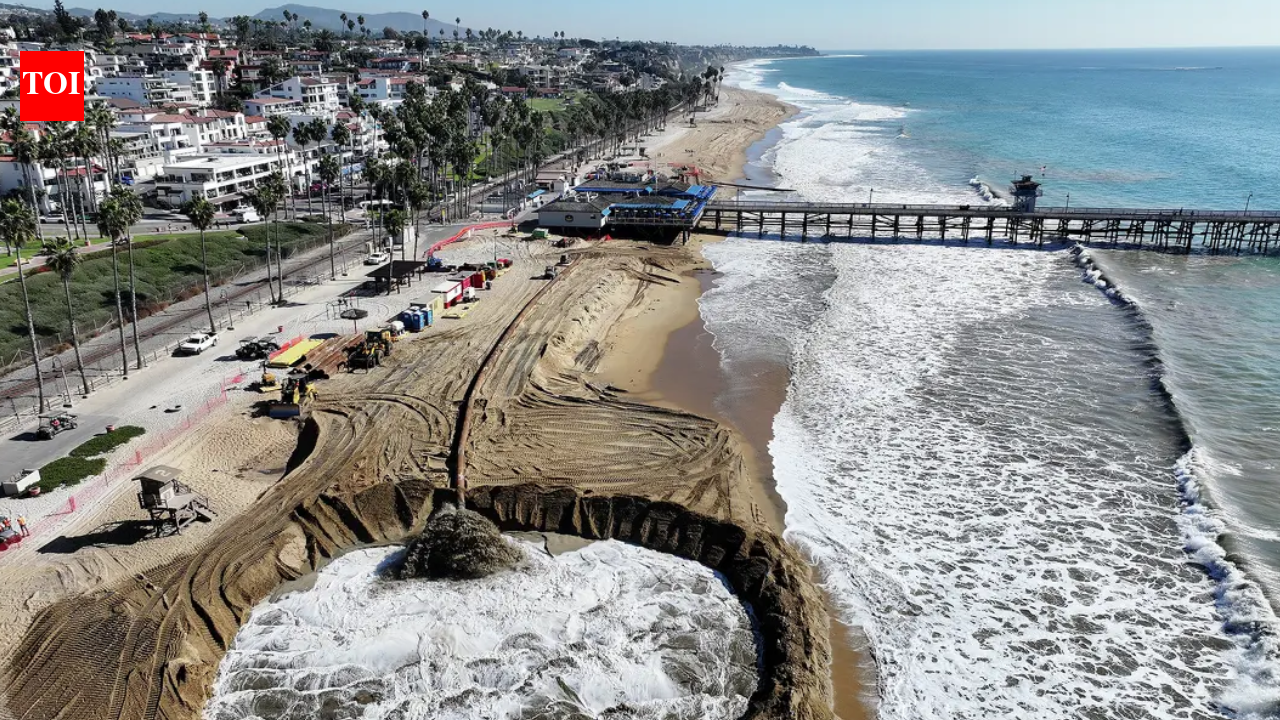
San Clemente, a coastal city in Southern California known for its beaches and surfing culture, is facing a growing financial challenge as years of shoreline erosion threaten public beaches, coastal infrastructure and a railway connecting San Diego with the rest of the state. Residents have rejected a proposed tax increase that could have generated approximately $15 million annually for beach restoration and wildfire prevention, leaving city officials to reconsider how they will pay for long-term protection. According to reports by SFGATE, Voice of OC and LAist, nearly two-thirds of voters opposed Measure M in the November 3, 2026, election. The proposal would have increased the city's sales tax by one percentage point, taking it from 7.75% to 8.75%. The additional revenue was expected to support two dedicated funds over a 10-year period, with half allocated to beach protection and the remaining half directed towards wildfire preparedness. The measure was defeated despite growing concerns about the city's shrinking coastline and the repeated disruption of passenger and freight rail services along the coastal corridor.The erosion problem has become particularly serious around San Clemente's southern shoreline, where powerful waves and high tides have repeatedly threatened railway tracks. The route is an important transportation link between San Diego and other parts of California, but sections have faced closures as the coastline has deteriorated. The loss of sand has also affected beaches farther north. In some areas, erosion has become severe enough to threaten public access and city infrastructure. The city previously spent approximately $800,000 on a sand replenishment project in 2024 to protect its beach and safeguard the lifeguard headquarters near the pier.A costly battle against coastal erosionSan Clemente has explored several ways to slow the damage, including installing large rocks along vulnerable sections of the coastline and constructing seawalls. However, these approaches have raised concerns about restricting public beach access and potentially shifting erosion to other parts of the shoreline.Sand replenishment has emerged as another important option, although it requires substantial investment and repeated maintenance. The city has already undertaken several such projects, but the volume of sand needed to maintain its beaches continues to grow.The financial challenge has become more urgent following a series of extreme weather events. The recent Norte Fire, which started in the hills above the city, forced thousands of residents to evacuate and destroyed seven homes. This added another layer of pressure to the proposed tax, which was designed to address both coastal erosion and wildfire risks. The defeat of Measure M follows another unsuccessful attempt to secure dedicated funding for beach restoration. A similar sales tax proposal was rejected by voters in 2024, although the earlier measure faced a different approval threshold.Nearly 690,000 cubic yards of sand plannedDespite the election setback, some immediate coastal protection work is moving forward. The Orange County Transportation Authority (OCTA) secured approval from the California Coastal Commission on November 5 for a major sand replenishment and railway protection project. According to OCTA, the plan involves placing approximately 690,000 cubic yards of sand along San Clemente's coastline. The project includes 450,000 cubic yards at San Clemente State Beach and another 240,000 cubic yards around North Beach and Mariposa Point.The approved plan also includes additional shoreline protection measures intended to stabilise the railway corridor and reduce the risk of further service disruptions. The Coastal Commission's approval provides a route for the work to proceed, although it does not resolve the city's wider funding requirements. However, the planned sand placement is largely tied to protecting the railway and does not establish a permanent funding arrangement for maintaining all of San Clemente's public beaches.Officials face difficult funding decisionsWith voters rejecting the proposed tax, city officials will have to consider redirecting existing funds or pursuing other sources of financial support. A regional approach involving coastal communities from Los Angeles to San Diego has also been suggested, potentially allowing municipalities to share the costs of large-scale sand replenishment and equipment such as dredgers.Another possibility is bringing a revised tax proposal before voters in the future, particularly if erosion worsens during the coming storm season. The failed measure has highlighted the difficulty of balancing the rising costs of coastal protection with residents' concerns about higher taxes. For San Clemente, the immediate challenge is no longer simply finding enough sand to restore its beaches, but securing the money needed to keep them from disappearing.
California beach town rejects $15m-a-year tax despite coastal erosion
Full Article
Original Source
Read the full article at Timesofindia →KhanList aggregates and links to publicly available news content. We do not host full articles from third-party sources. Always verify important information with original sources.