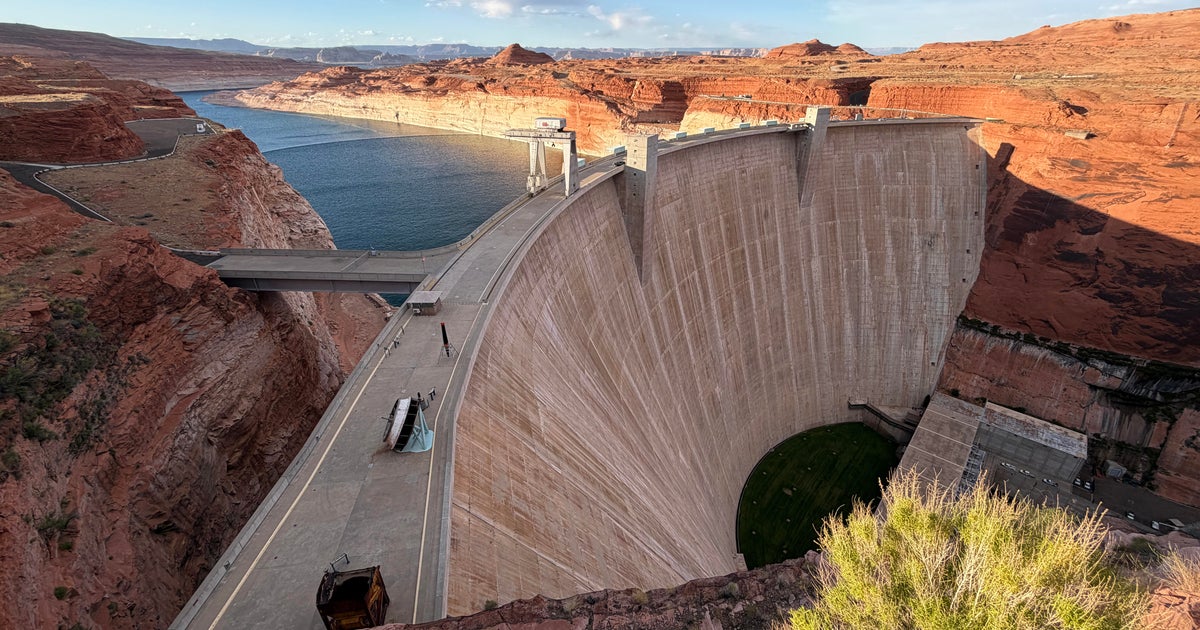
July 31, 2026 / 1:25 PM EDT / CBS/AP Add CBS News on Google Arizona, California and Nevada would take less water from the Colorado River under a proposal announced Friday by the federal government to stave off crisis in the beleaguered waterway, which serves as a crucial source of water for more than 40 million people in seven Western states.The proposal from the U.S. Bureau of Reclamation spares Colorado, Utah, New Mexico and Wyoming from facing mandatory cuts for now. But it's a temporary fix as the states that rely on the river still fight over a long-term management plan for the dwindling resource that powers huge swaths of the Western U.S.Under the plan, the Lower Basin states could face collective cuts up to 3 million acre-feet (130 billion cubic feet) through 2036, "subject to hydrology," according to a press release by the Department of the Interior. That's about enough water to serve more than 25 million people a year.The plan would also allow annual releases between 5 million and 12 million acre-feet from Lake Powell, the basin's second-largest reservoir. Under the 10-year federal framework, water management decisions will be made every two years."This framework provides the flexibility to respond to changing hydrologic conditions while preserving the opportunity for the Basin States to continue working toward durable, consensus-based solutions," said Secretary of the Interior Doug Burgum in the press release.Water supplies in Lake Powell and Lake Mead — the nation's two largest reservoirs, both on the Colorado River — have fallen to record low levels this year after an exceptionally dry winter in the drought-stricken West.Federal forecasts show that by the end of the year, Lake Powell's water levels could fall so low they won't be able to spin turbines at the nearby Glen Canyon Dam. Those turbines generate electricity to power homes, businesses and irrigation systems across the region. Water flows from the Glen Canyon Dam into the Colorado River on June 7, 2026 in Page, Arizona. The prolonged drought in the West has reduced the water levels in Lake Powell, behind the dam. George Frey / Getty Images The proposed cuts in the Lower Basin states of California, Arizona and Nevada would be the biggest to date and could have huge impacts across cities and farms — higher water prices, increased groundwater reliance, more agriculture out of production and conservation mandates in places where none have existed before. The federal plan comes after years of deadlocked negotiations between the states. Federal officials are expected to finalize the plan in the coming days.Along with more than 40 million U.S. residents, several tribal nations and Mexico, farmers, wildlife, industries and hydropower all rely on the dwindling 1,450-mile-long Colorado River. Years of overuse combined with rising temperatures and drought have severely depleted flows in the Colorado today than in decades past. In: Colorado Arizona Colorado River Nevada California Drought
California, Arizona, Nevada would face Colorado River water cuts in federal plan
Full Article
Original Source
Read the full article at Cbsnews →KhanList aggregates and links to publicly available news content. We do not host full articles from third-party sources. Always verify important information with original sources.