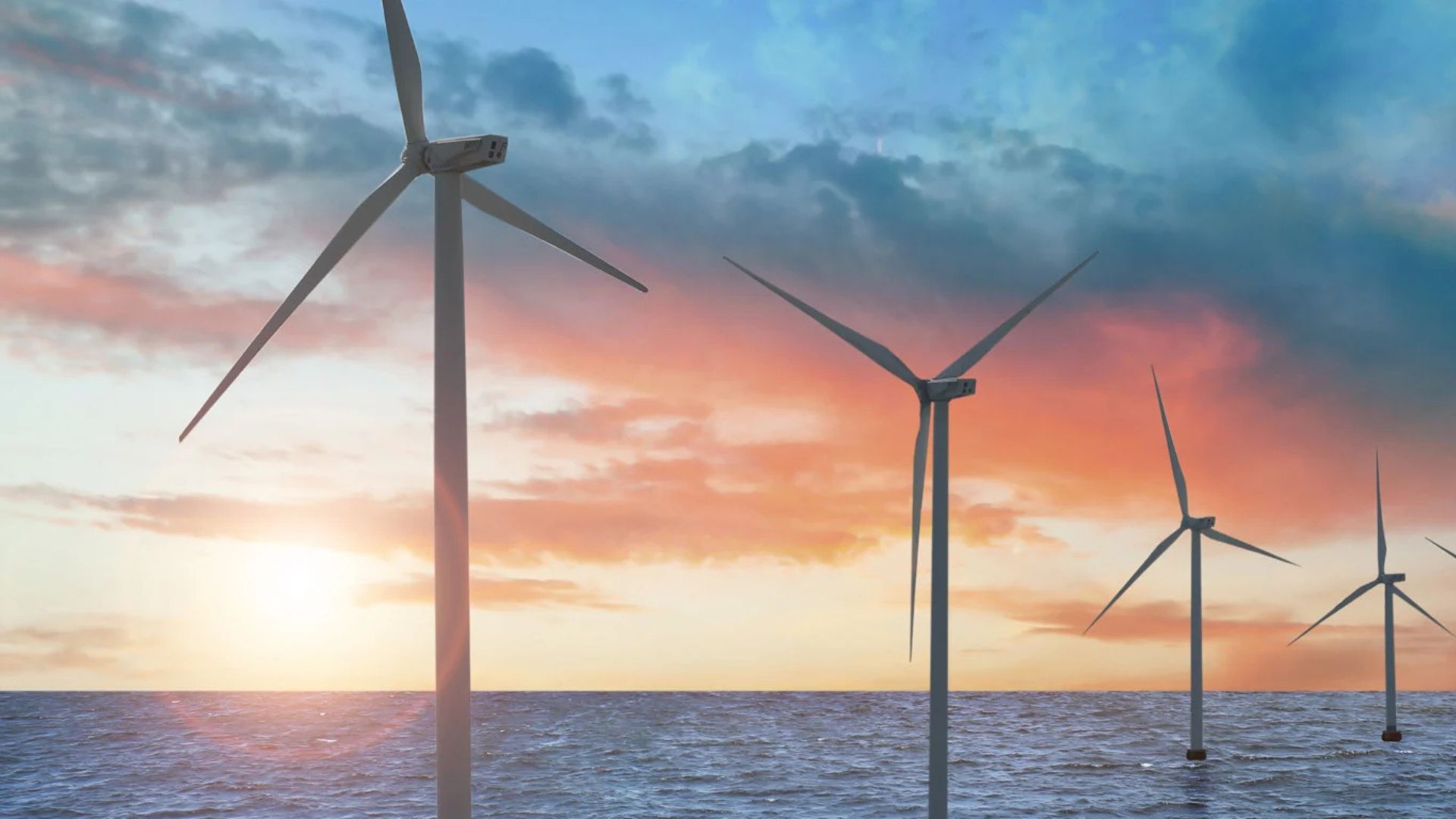
Offshore wind turbines are getting massive. Built to harvest relentless ocean breezes, these megastructures face a constant battle against heavy winds and crushing waves. Yet as the green energy push expands across the Asia-Pacific, engineers face a quiet, terrifying threat beneath the ocean floor: earthquakes. When a seismic shockwave hits a standard turbine, the sheer momentum can tear the tower apart. Now, researchers at the University of Technology Sydney (UTS) have borrowed a trick from bridge engineering to keep these ocean giants standing. “Our research shows that a relatively simple structural reinforcement concept, inspired by cable-stayed systems used in bridges and towers, can significantly improve the dynamic performance of offshore wind turbines under combined earthquake, wind and wave loading,” the researchers stated. Shows promise in simulation Led by Professor Behzad Fatahi alongside PhD candidate Nadeem Fairley and Arup industry expert Dr. Aslan Hokmabadi, the UTS team modeled a novel cable-stay reinforcement system designed specifically for massive 15-megawatt wind turbines on monopile foundations. Monopiles are massive steel cylinders driven into the seabed. These are the dominant foundation type for fixed-bottom offshore wind turbines globally. The cable-stay research applies directly to the vast majority of current and planned wind farms because it specifically targets monopile designs. The concept is surprisingly simple. Engineers can drastically increase the tower’s flexural stiffness using high-tensile steel cables and supporting struts, mirroring the design of cable-stayed bridges. It works. During intense multi-hazard simulations combining severe earthquake shocks with unrelenting wind and wave loads, the cable-stayed model outperformed conventional designs. The cable-stayed design improved tower survival under extreme conditions. The external stays dampened resonance and higher-order vibration modes, sharply reducing internal stress in the upper sections. At the same time, it prevented sectional ovalisation. This occurs when extreme bending forces from wind, waves, or earthquakes cause a hollow steel tower to lose its circular shape and flatten into an oval. As the compressed sides bulge outward under load, the tower’s structural strength drops sharply, frequently triggering sudden buckling or catastrophic collapse. Saving offshore wind turbines Conventional tower models suffered severe yielding and structural buckling during simulations, but the reinforced concept remained completely undamaged. “Offshore wind turbines do not experience hazards in isolation,” explained Fairley. “In the real world, wind, waves, and earthquakes may interact, and our modelling shows that this combined loading can have a major impact on structural performance.” As offshore wind expands globally, finding cost-effective ways to harden infrastructure in seismic zones is vital. This cable-stayed design could protect new builds and offers a promising retrofit option to extend the lifespan of aging turbines or support larger upgrades. Moreover, retrofitting existing offshore wind turbines with cable-stay reinforcements offers operators a cost-effective way to extend the lifespan of aging assets. Rather than incurring the massive capital expense and regulatory hurdles of dismantling old turbines and building new ones from scratch, energy companies can simply strengthen their current infrastructure. This structural upgrade could allow older wind farms to safely withstand severe environmental hazards, keeping revenue-generating equipment online longer and boosting the long-term return on investment. The study was published in the journal Ocean Engineering. Recommended ArticlesGet the latest in engineering, tech, space & science - delivered daily to your inbox.Mrigakshi is a science journalist who enjoys writing about space exploration, biology, and technological innovations. Her work has been featured in well-known publications including Nature India, Supercluster, The Weather Channel and Astronomy magazine. If you have pitches in mind, please do not hesitate to email her.
Cable-stay reinforcement could improve offshore wind turbine seismic resilience
Full Article
Original Source
Read the full article at Interestingengineering →KhanList aggregates and links to publicly available news content. We do not host full articles from third-party sources. Always verify important information with original sources.