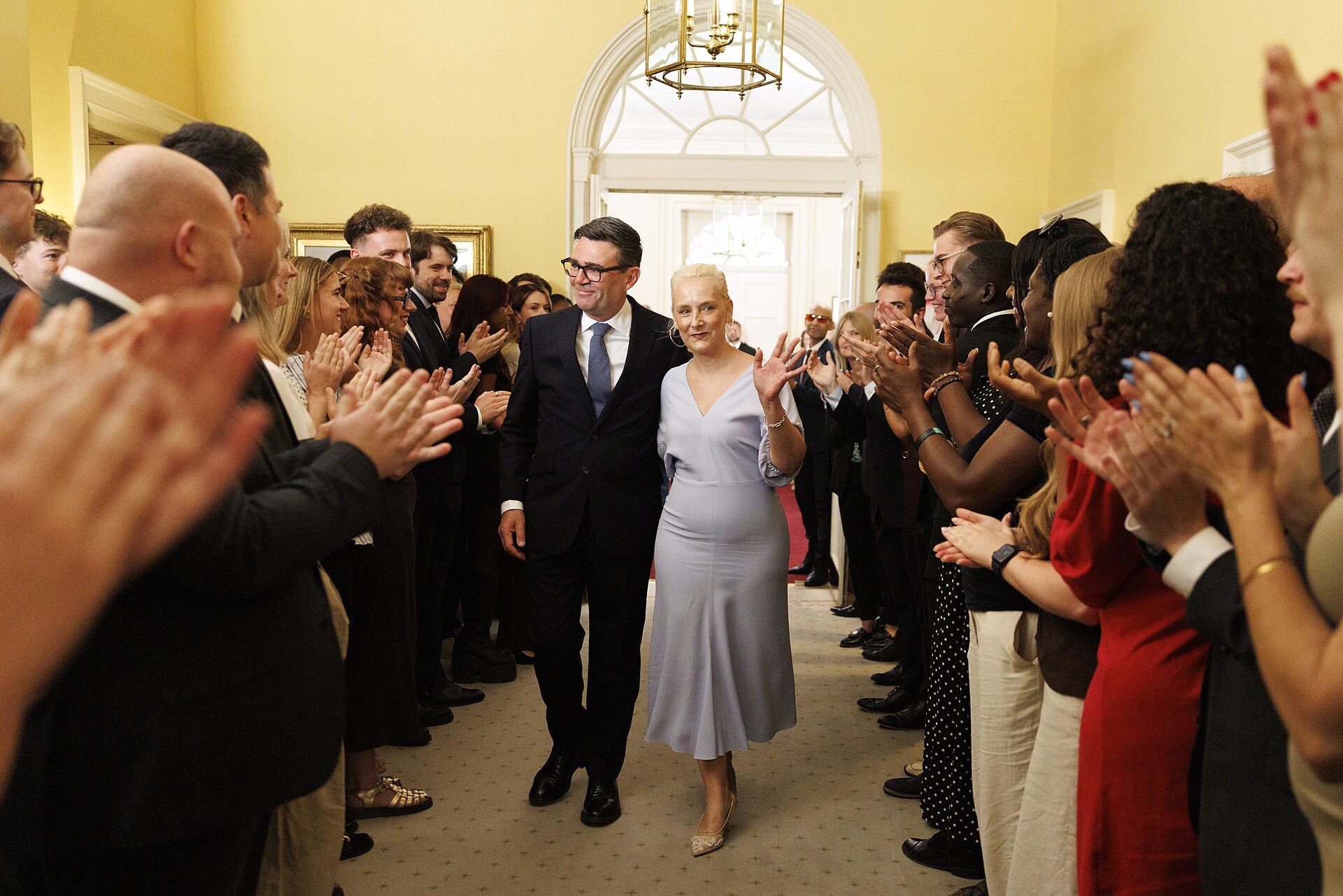
The new prime minister of the UK has spent the first 10 days in power revealing crowd-pleasing tax breaks, building a new Number 10 team, and potentially opening up new oil and gas drilling in the North Sea. Surprisingly for a nation on its 7th prime minister in a decade, Andy Burnham’s work so far has not sparked immediate controversy. The former mayor of Greater Manchester started off with a strong 38 percent approval rating, and is now tightly head-to-head with far-right Reform leader Nigel Farage in polls, with elections due in 2029. However, reports that the PM will approve the further development of oil and gas fields off Scotland’s shore could heavily damage the ‘King of the North’ in the eyes of a recently disillusioned Labour party electorate. The government was expected to approve the further development of the Rosebank and Jackdaw offshore fossil fuel projects, despite commitments during his mayorship and in the Labour manifesto promising that no new oil and gas licences would go ahead. However, the two oilfields east of Aberdeen were already in the system from the last conservative government, with a consultation on Jackdaw finishing on 8 August to give a more conclusive answer on whether the left-leaning PM will drill in the largest untapped oilfield in UK waters. US president Donald Trump already confirmed the move on Burnham’s behalf on Wednesday (29 July). While forgetting his name, Trump told press in the Oval Office: “the new gentleman, when I spoke to him, said he’s going to open up the North Sea.” “If those reports are accurate, they represent a profound departure from the principles you promoted as Mayor of Greater Manchester,” the science department at the University of Manchester wrote in an open letter to the PM. A hit to his current popularity would be almost certain should the permit go through, jeopardising his already precarious polling position. Burnham’s cornerstone policy of decentralising London’s leadership has also been questioned: “You cannot give away power you don’t have,” said Adrian Pabst, deputy director of London’s National Institute of Economic and Social Research. “The Burnham government has to centralise in order to decentralise,” he told EUobserver, adding: “Besides tight fiscal constraints such as high public debt and little fiscal room for manoeuvre, Burnham’s greatest challenge is to rebuild state capacity.” The think-tank had made headlines this week while warning that the new PM’s window for borrowing has shrunk, and that his new government’s pledges on defence and costs of living will not be met without raising taxes or cutting spending. Burnham’s first week was marked by generous cuts to VAT and taxes on pubs and small music venues, while bus fares were capped at £2 (about €2.33) in England. Small venue tax breaks would be funded by higher taxes on larger businesses, while scrapping the VAT on Britons' electricity bills, reducing them by around £45 (€52.50) per year, is expected to cost the state £850m (€991m) annually, with no solution yet on where that money will come from. Bunrham's spending enthusiasm collides with an inflated defence expenditure target of 3.5 percent of GDP by 2035, the highest it’s been since the 1990s. “I am under no illusions about how hard this is all going to be,” Burnham wrote in the Guardian last week, “but I have a clear plan and I know how to get things done.” Despite mismatched budgetary goals and possibly conservative expectations on energy, Burnham’s affable demeanour has served him well. And besides, even if the oilfield permissions are granted, it may not be in the PM’s hands at all to start to drill. In the last 15 years, “consent for onshore shale gas was granted again and again, and not one well went to commercial production,” said Andrew Scott, politics professor at University College London, reminding that the Rosebank and Jackdaw fields were approved in 2022 and 2023, and had been struck down by the courts in 2025. “We are used to thinking of prime ministers as all-powerful, and oil and gas is a good illustration of how little power they might actually have in practice,” Scott told EUobserver. Despite decisions that may not be aligned to Labour ideology, Burnham is heading down a very different path than that which his predecessor had laid before him. With an eye for easing costs of living, expanding social housing, and empowering the small regions, the representative for Makerfield already captured the public’s favour in a way Keir Starmer struggled to do.
Burnham’s first 10 days in No. 10: popular tax breaks, but North Sea oil gambit risks backlash
Full Article
Original Source
Read the full article at Euobserver →KhanList aggregates and links to publicly available news content. We do not host full articles from third-party sources. Always verify important information with original sources.