
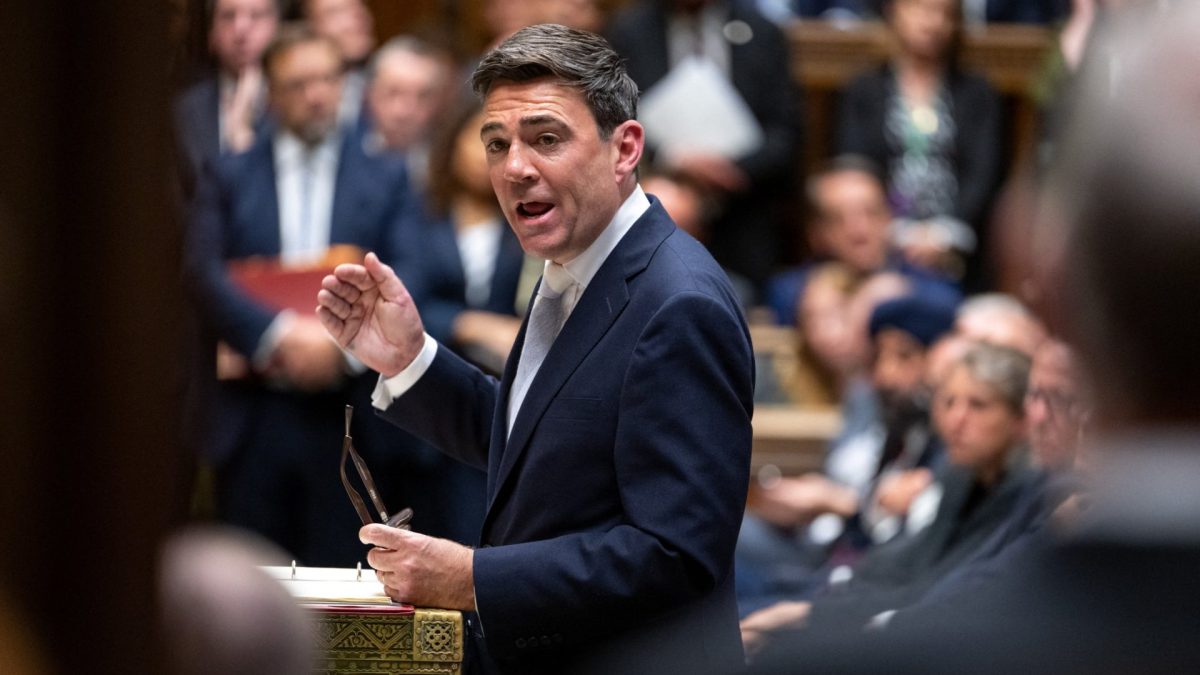
Andy Burnham promised greater public control of water, the chance for every area in England to take on new powers and to fix social care in a drive to give “hope” to voters. As MPs returned from their long summer break, the Prime Minister made a series of policy pledges in a Commons statement on “Government direction”. But he also hinted at even further action in areas such as electoral reform, tax and energy in a long wish list of his own hopes to change the country. Shorts The scale of Burnham’s ambition was clear but some of the plans will be easier to deliver than others. Control of water The Prime Minister railed against deindustrialisation and privatisation in the 1980s, followed by austerity and Brexit in the 2010s, which “took control out of the hands of communities up and down Britain” as part of a “failed economic model”. The water industry, blighted in recent years by bumper bonuses being handed out alongside rampant sewage pollution, was a ““a leaking monument to that approach, a country run in the private rather than public interest”. In a bid to quell suggestions he has U-turned on his central promise of delivering greater public control of utilities after declining to nationalise Thames Water, Burnham promised his 10-year plan this autumn would deliver exactly this. Difficulty rating: 7/10 – Nationalising water companies would be very expensive and the industry is a very risky investment as it needs cash pumping in, but Burnham has left enough wriggle room with his promise for public “control” rather than full state ownership. Likely to be popular with voters and Labour MPs, although he needs to avoid being accused of stopping short of real action. Fixing social care The Prime Minister was on the verge of tears at one point as he answered questions on social care, which he promised to spend “all of my political capital” on fixing, vowing he “will not leave office” without sorting out the crisis-hit sector. Cross-party talks have begun but Burnham suggested he would proceed without consensus if rival leaders cannot coalesce around a recommended plan in an upcoming review. Difficulty rating: 9/10 – Burnham as health secretary in 2010 was forced to rule out a plan for a levy on estates after people die when the Conservatives branded it a “death tax”. Theresa May U-turned on her social care policy in the 2017 election, which cost the Tories their majority, after it was branded a “dementia tax”. The PM will know there are few solutions to this problem without raising cash from voters, and he will be relying on the goodwill of rival leaders not to make political hay by making similar warnings this time. Powers offered to every community Burnham announced that No 10 North would start working with Cornwall on a deal to devolve powers and money “with or without an elected mayor” and pledged to extend this offer to all parts of the country. Difficulty rating: 1/10 – It is up to local areas if they want to take up Burnham on his offer. Banning leasehold homeownership New laws to move from leasehold to commonhold homeownership and ban the payment of ground rent will be brought forward in this Parliamentary session, Burnham pledged. Difficulty rating: 6/10 – He has only pledged to bring the relevant bill to the Commons, which should be easier than actually enacting the changes given Treasury jitters over banning ground rents and the powerful landlord lobby’s opposition. Banning social media for under-16s quickly Burnham committed to moving forward “at pace” with predecessor Sir Keir Starmer’s plan to ban social media for under-16s. Difficulty rating: 5/10 – Australia has already done it, and the policy has cross-party backing from the Tories. However, the powerful tech lobby could slow the PM down. Proportional representation Changing the voting system for general elections from first past the post to proportional representation has long been an ambition for Burnham. The PM explained that standing under a proportional system in Greater Manchester elections “changed the conversation on the doorstep” and encouraged candidates and parties to look for compromise rather than “point-scoring”. He is therefore “prepared to look” at electoral reform if the next general election shows voter “consensus” for change, in a suggestion the idea will be in Labour’s next manifesto. Difficulty rating: 8/10 – It would be a seismic change in British politics, and voters already rejected a proportional system in a 2011 referendum on the “alternative vote”. Cutting tax for high street businesses Business rates have already been cut for pubs and live music venues in one of Burnham’s first acts on taking office, and the PM said he wants to “go further” to help other firms struggling to survive on Britain’s high streets. He wants to fund this by “rebalancing the system” so large companies operating big out-of-town sites like Amazon warehouses pay more. Difficulty rating: 7/10 – Raising taxes in any way in next month’s Budget is likely to prove controversial, and this is a complex plan that previous governments have failed to fully grapple with. Climate action while retaining oil and gas Burnham promised to attend the COP31 climate summit in Turkey in November while promising to “meet the climate challenge”. However, while giving little away, the PM also hinted that he could yet approve drilling in the Rosebank oil field and Jackdaw gas field in the North Sea, which will provoke a major backlash from climate groups and potentially his own Foreign Secretary and net-zero advocate, Ed Miliband. Difficulty rating: 8/10 – It is difficult to see how Burnham can please all sides in this debate.
Burnham’s 8 big pledges – and how likely he is to deliver them
Full Article
Original Source
Read the full article at Inews →KhanList aggregates and links to publicly available news content. We do not host full articles from third-party sources. Always verify important information with original sources.