
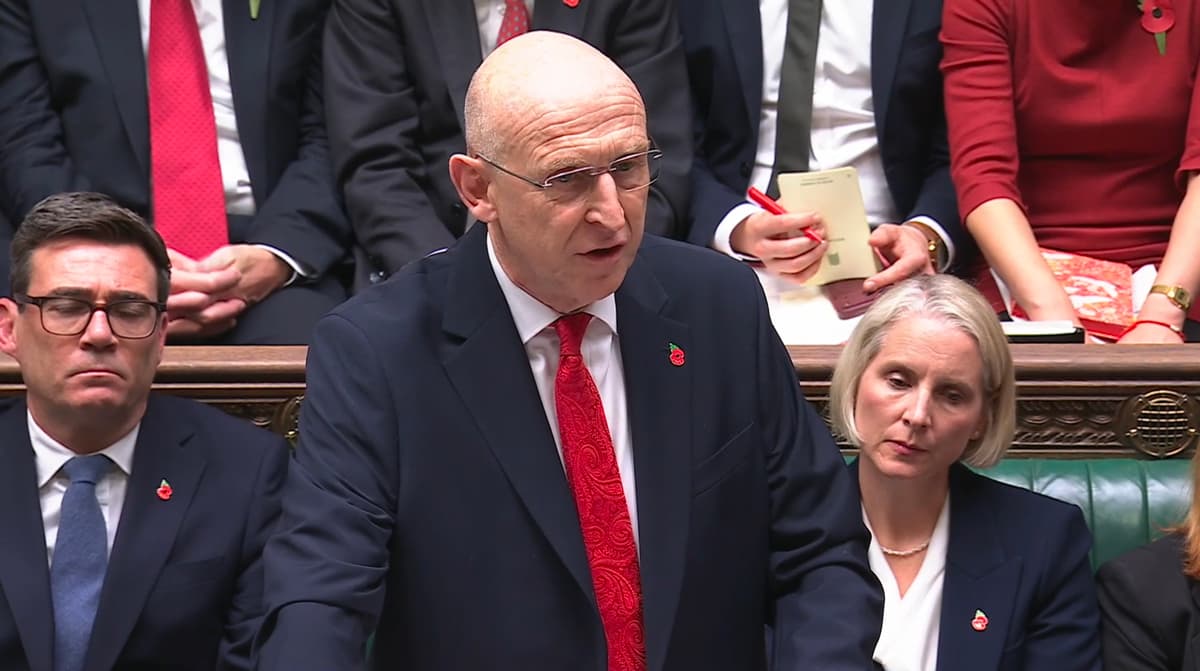
Chancellor John Healey is delivering his first Budget speech.He faced a fraught task of trying to help millions of struggling households without hitting economic growth with even higher taxes.Here are the key points as announced in the Commons:GDPThe Office for Budget Responsibilty has upgraded its economic growth forecast to 1.2% this year, Mr Healey said, followed by 1% next year, 1.6% in 2028, 1.8% in 2029, 1.7% in 2030 and 1.6% in 2031. Given the slow GDP growth, the Chancellor added: “Yes, there are real challenges ahead, but Britain has beaten the forecasts this year, And with the action I’m taking today, I believe Britain can beat them again.”DebtBritain will spend £14bn more on debt interest this year, says the Office for Budget ResponsibilityBorrowingBorrowing falls to 4.2% this year, 3.4 next year, 2.9 in 28/29, 2.1 in 29/30, and 1.8 in 30/31 and 31/32 the Chancellor said.Economic cushionThe “fiscal headroom” will be £15bn in 2029/30, before rising to £22bn in 2030/3Energy billsStanding charges on gas bills, which cover the cost of delivery to homes and businesses, will be scrapped from 2027 “or as soon as possible after,” says the Treasury. VAT has been axed from electricity bills.The Chancellor stressed that for business, the new British Industrial Competitiveness Scheme will take 25% off electricity bills for 10,000 firms.Help for struggling households20 million households in council tax bands A-D will get a £100 ‘Household Energy Payment’ paid directly into their bank accounts to help deal with rising energy bills. The scheme wil cost £2.6bn scheme.Fuel dutyThe 5p cut to Fuel Duty and reduction in red diesel to its lowest rate in over 20 years are extended until July.Supermarket pricesTariffs on more than 100 supermarket products, including chocolate and gherkins, are suspended to keep prices down.Low paidAround 2.3 million people on low pay will see a 3.9% rise in the National Minimum Wage and the National Living Wage.Devolution of powersMr Healey promised a “radical devolution of powers and resources to local leaders,” including to London Mayor Lord Sadiq Khan, as he sought to find economic growth.“More power in the hands of the local leaders who know their areas best,” he said.Bank taxMr Healey hit the City with an extra 3% on the Bank Surcharge to fund help on energy bills for less well off householdsCorporation taxThe Chancellor said he was maintaining full expensing in Corporation Tax for eligible assets. He added: “For other assets, I will provide greater upfront relief for new investment, increasing the main rate first-year allowance from 40% to 50%, while reducing the main writing down allowance from 14% to 12%.He also cut the threshold for Business Asset Disposal Relief in Capital Gains Tax from £1m to £500,000, which he stressed meant no change for 3 in 4 claimants. He added: “I am increasing the rates of tax on income from property and savings by a further two percentage points from April 2027.”Business ratesThe threshold for Small Business Rate Relief for retail hospitality and leisure businesses was increased from £12,000 to £18,000.Tax reformsMr Healey gave HMRC funding to improve compliance, and stronger powers to collect overdue tax from those he said can clearly afford to pay, but ignore repeated contact. He added: “I am reforming the administration of self-assessed income tax from 2029… …bringing more of these taxpayers in line with the majority, So that they make smaller, more regular payments instead of facing larger bills that are harder to pay.”Gaming taxThe Chancellor raised Machine Games Duty from 20% to 25% for higher stakes machines.ISAThe Chancellor ditched his predecessor Rachel Reeves’ plan to cut the cash allowance for tax-free ISAs from £20,000 to £12,000.Budget aimsSumming up his plans, Mr Healey said: “This Budget is designed to give households breathing space from some of the everyday costs, provide targeted support for businesses and self-employed people, and to start the long-term action needed to get energy costs down for good.”PensionersThe “triple lock” will be changed from 2030 so the State pension rises by inflation, 2.5% but not the increase in average earnings, which ever is higher.Tourist taxMayors, such as London’s Sadiq Khan, will be able to apply an “overnight visitor levy” from 2028 to raise money.DevolutionNew growth fund and £1.5 billion of loans access for mayors. The Chancellor singled-out the extension of the Bakerloo line in London as the type of project that could be funded by the new fiscal powers for mayors.
Budget 2026: Key points announced by Chancellor John Healey in tax and spending speech
Full Article
Original Source
Read the full article at Standard →KhanList aggregates and links to publicly available news content. We do not host full articles from third-party sources. Always verify important information with original sources.