
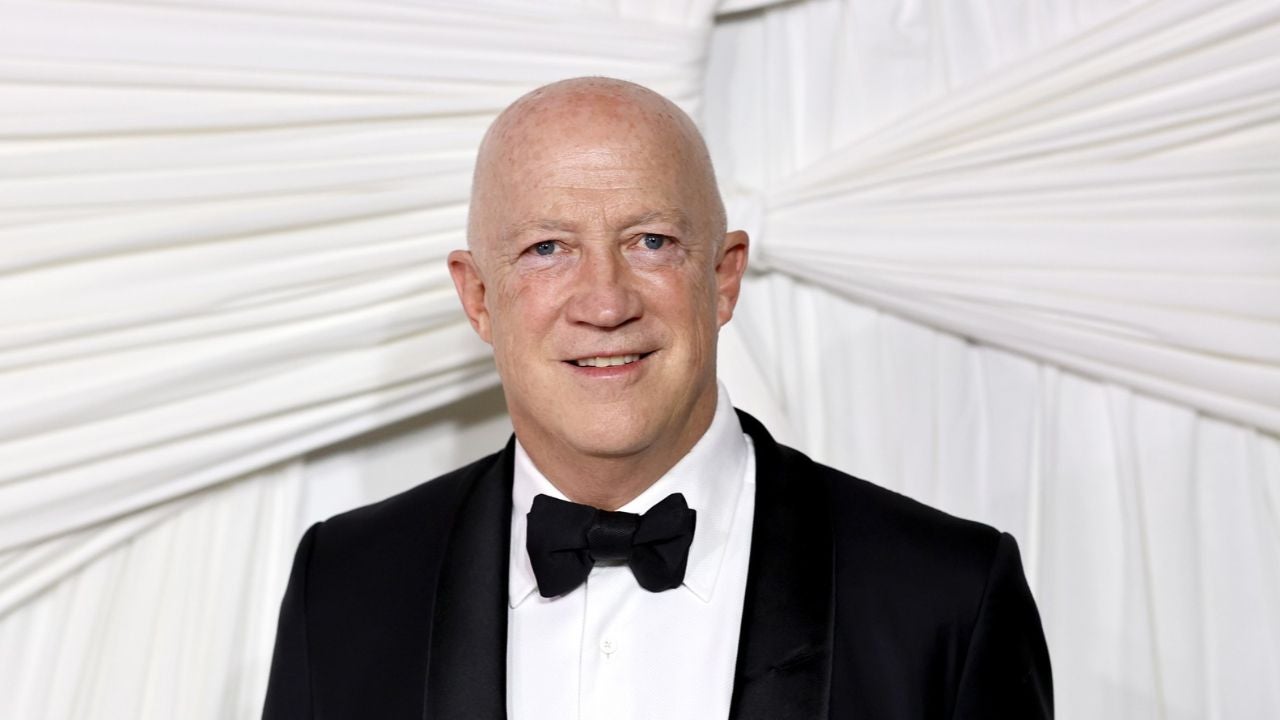
Creative Artists Agency CEO Bryan Lourd is calling on Congress to pass federal legislation protecting people’s voices and likenesses from unauthorized artificial intelligence replicas, arguing that existing copyright and licensing principles should extend to the AI era.In a New York Times opinion essay published Saturday, Lourd makes the case for the NO FAKES Act, legislation that would establish federal protections against the creation and distribution of unauthorized digital replicas of a person’s voice or likeness. He argues that the issue is not whether Hollywood should embrace artificial intelligence, but whether individuals should have a say in how their identities are used by the technology. Lourd points to several examples of unauthorized AI impersonation, including a dental advertisement featuring a younger, AI-generated version of Tom Hanks, a content creator whose likeness was used in an advertisement for erectile dysfunction supplements and voice actors who discovered that recordings originally made for research purposes had been turned into commercial voice clones. The examples underscore a growing concern across the entertainment business, as generative AI makes it increasingly easy to reproduce someone’s appearance, voice and performance, making exploitation easy. Lourd says the solution does not require Congress to create an entirely new legal framework. Instead, he argues that existing principles governing copyright, contracts and licensing can be applied to AI-generated replicas, provided federal lawmakers establish a consistent standard.The NO FAKES ACT framework centers on the principles of control, consent and compensation. Under that approach, individuals would have the right to authorize or reject the use of their digital likenesses, with companies required to negotiate and pay for authorized commercial uses.Lourd notes that the proposed legislation has attracted support from organizations across the entertainment and technology industries, including SAG-AFTRA, the Motion Picture Association, IBM, Google and OpenAI. The CAA chief also draws a distinction between opposing AI and opposing its unauthorized use. He notes that artists are already making voluntary licensing arrangements with AI companies, arguing that those agreements demonstrate how the technology can be incorporated into the entertainment business without stripping creators of ownership over their identities. “Hollywood is not afraid of new technology,” Lourd writes, framing the dispute as one over permission rather than technological advancement. He argues that the entertainment industry has navigated similar transitions before, pointing to the expansion of copyright protections as new forms of media emerged, from photography and motion pictures to sound recordings.As the entertainment industry continues negotiating its relationship with artificial intelligence, Lourd is asking Congress to establish a basic rule: Just because someone can digitally recreate a person does not mean they have the right to do so.
Bryan Lourd Urges Congress to Pass NO FAKES Act as AI Cloning Threatens Celebrities and Creators’ Likeness
Full Article
Original Source
Read the full article at Thewrap →KhanList aggregates and links to publicly available news content. We do not host full articles from third-party sources. Always verify important information with original sources.