
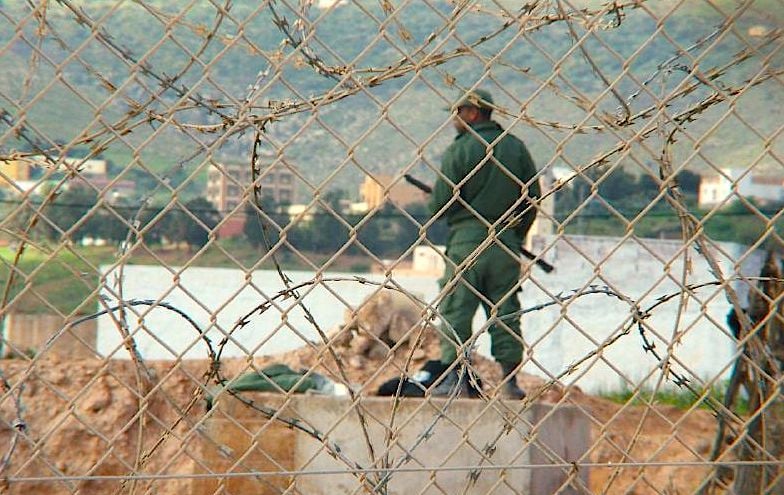
The European Commission is set to release emergency funds to Spain following a demand from Madrid to help shore up its Ceuta enclave borders with Morocco. “We are now working on assessing the request as a priority, and in view of taking a swift decision,” an EU commission spokesperson told reporters in Brussels on Tuesday (25 August). He added that “the priority remains to ensure the swift return of all those who remain illegally in Ceuta.” No figures on amounts have been disclosed. Madrid had sent the request on Monday, which also includes “security-related infrastructure” and additional help for unaccompanied minors that remain in Ceuta after some 80,000 asylum hopefuls arrived in the enclave late July. Human Rights Watch, in a recent report, said thousands remain in the streets with many facing sexual abuse. Up to 750 women and girls are in two open-air sports facilities, while others are on the streets, it said. But Magnus Brunner, the EU's commissioner for migration, had earlier this month called for "physical barriers" as a possible response to help out Ceuta. Such demands for physical barriers, as opposed to tech surveillance, have in the past been disliked by Brussels, given the historical symbolism of walls that once divided Germany. And although most people have since returned to Morocco, many remain in the enclave amid demands for asylum and a wider political fallout in Spain that now also includes warnings against Rabat, a strategic ally for an EU determined to stem migration. Margarita Robles, Spain's defence minister, issued fresh warnings against Morocco after Rabat renewed sovereignty calls for the two Spanish enclaves, with what it considers "historical and geographical" rights. “Any attempt at aggression against Ceuta and Melilla is an attack on all of Spain," said Robles, in comments made on Monday at a Spanish national security council convened by prime minister Pedro Sánchez. Despite all that, the EU continues to seek out Morocco's help. In February, it launched a new €15m anti-smuggling and anti-trafficking project for Rabat. Morocco has also set up physical barriers and surveillance technology under the auspices of the EU's anti-smuggling partnership signed four years ago. And although it declined to take part in the second conference of the EU commission's so-called Global Alliance to Counter Migrant smuggling in December 2025, Rabat still accepted a lone liaison officer from the EU's border police, Frontex.
Brussels backs Spain on Ceuta with new funds, while Madrid issues warning to Morocco
Full Article
Original Source
Read the full article at Euobserver →KhanList aggregates and links to publicly available news content. We do not host full articles from third-party sources. Always verify important information with original sources.