
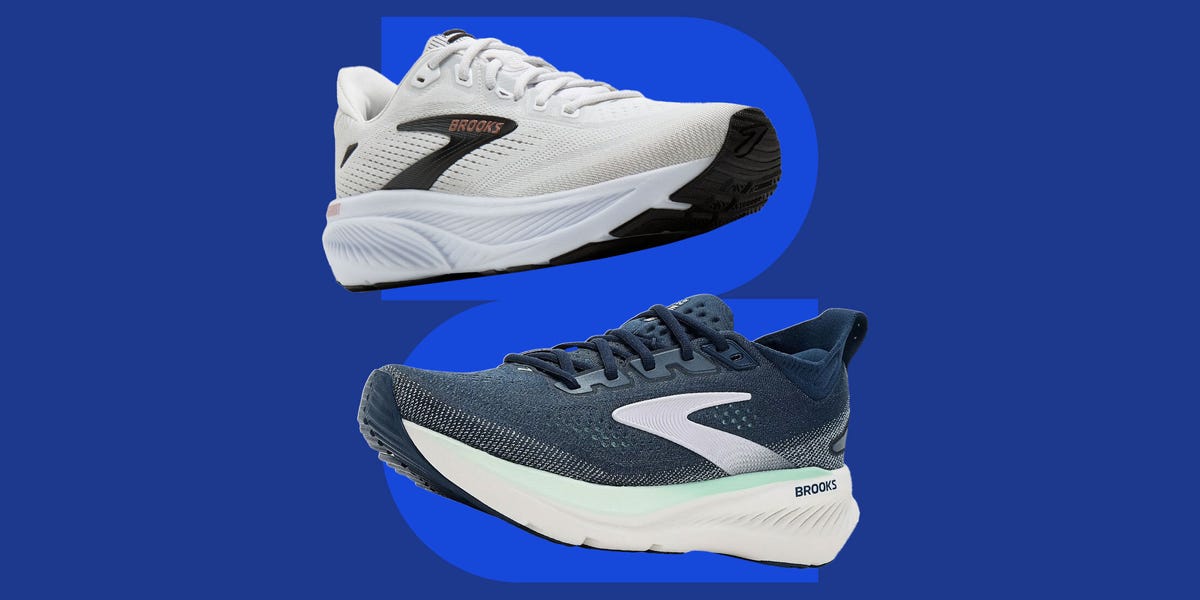
6 min readI’m not proud of it, but I once had a minor breakdown when a running shoe I’d used for years was discontinued. This was my shoe, and it felt like I’d never have the same level of comfort or security on runs ever again. Eventually, I moved on and discovered Brooks—a brand that’s clearly after my own heart.Brooks has made it clear over time that the company is big on gently refining its shoes vs. completely overhauling or discontinuing lines. As a result, you can find a model you like and stick with it for years without worrying that it’s going to change drastically with time. That’s a big perk for runners like me who don’t like to mix up our core training shoes.Korin MillerThe Brooks Ghost 18 vs. the Brooks Glycerin 23With that, the brand has several lines with a devoted fan base. The Ghost and Glycerin lines are compared a lot, given that they’re both used as daily trainers. The comparisons have only gotten louder with Brooks rolling out new versions of each this year: The Ghost 18 and Glycerin 23.Brooks Ghost 18 vs. Brooks Glycerin 23 I’ve worn the Ghost 18 near-daily since it launched in May—it’s a solid shoe that delivers a little of everything, making it a good option for my training runs. But my little freakout a few years ago when my go-to shoe was discontinued taught me how crucial it is to be open to new footwear. So, it was time to check out the Glycerin 23.Korin MillerBoth shoes are plugged as options to wear on walks and runs, so I took them on five-mile runs, long runs at a comfortable pace, tempo workouts, and breezy neighborhood walks. I also wore them around the house all day to get a general sense of how each felt once the honeymoon period wore off.As I discovered, these are very different shoes, and it’s something that you notice as soon as you slip them on. The Ghost 18 is lighter and more breathable daily trainer, while the Glycerin 23 is more plush and cushiony. Both are great, but one is not universally better for everyone over the other. Keep reading as we take a closer look at both shoes, and for a Ghost 18 vs. Glycerin 23 breakdown to help you find the right pair for your needs.What Each Does BestBrooks Ghost 18ProsLightweight feelComfortable, airy upper Roomy toe boxVersatile shoeConsMay not be bouncy enough for someSizes5-13Weight9.2 ozDrop10mmBest forRunning, walking, standingThe Brooks Ghost 18 is one of the brand’s most popular options for daily running and walking. This is a neutral shoe, which means it’s like the Goldilocks of footwear. It’s a good fit for people with no foot issues and can handle comfortable long runs, along with moving at a faster clip.While I wouldn’t reach for these on speed workout days, I didn’t think twice about my footwear while wearing the Ghost 18 on a training run when I decided to pick up the pace halfway through. In my mind, that’s the mark of a great shoe. I don’t want to even be conscious of what’s on my feet when I’m out running.The Ghost 18 has a supportive and soft feel underfoot, but I wouldn’t call it plush. That’s worth noting if you do a lot of walking, too. These will support you on long neighborhood walks, but they may not be the best choice if you’re more of a walker than a runner.Korin MillerThe Brooks Ghost 18The shoe offers a crash pad, which is a section of foam built into the bottom of the shoe, for smoother transitions. It won’t perfect your gait, but it definitely supports a seamless stride.A big perk of this shoe is its durability. I try to do a good job of swapping out my running shoes every 300 to 500 miles as recommended, but I also don’t want my footwear to be falling apart by the time I get there.Brooks uses RoadTack rubber on the outsole, making this a very durable shoe that can handle nearly any road conditions. I’ve worn these plenty of times in rainy weather and never worried about slipping. Overall, this shoe is just easy to wear.SHOP BROOKS GHOST 18Brooks Glycerin 23ProsVery cushioned, plush feelLocked-in feel at the heelNice energy return and bounciness Excellent traction Sizes5-12Weight9.5 ozDrop8mmBest forRunning, walking, standingHoka has carved out a corner for itself in cushioned running shoes, but the Brooks Glycerin 23 is here to compete. You can feel the plushness oozing from these shoes from the moment you slide your foot in. The tongue is padded, and there’s more cushioning and support around the ankle. But the real draw is how this shoe feels under your feet.There’s a little bounce and good energy return—or rebound with each step—making you feel a little springier as you cruise around. It’s not an obnoxiously bouncy shoe, but I appreciated that extra boost when I was struggling on one early morning long run.Korin MillerThe Brooks Glycerin 23A bouncy feel can lead to some instability in shoes, but the Glycerin 23 does a solid job keeping you in line thanks to a wide platform down below. I tend to overpronate, which is when your foot rolls inward too much as you walk or run, and didn’t have any issues in these shoes.The Glycerin 23 also provides more padding around your ankle, creating a locked-in but comfortable feel all around, from the back of the shoe to the tongue. I started reaching for it more on long runs, which is where this shoe really shines.It offers DNA Tuned foam at the forefoot (the front section of your foot) to really cushion your feet as you go. Like the Ghost 18, the Glycerin 23 uses RoadTack rubber on the outsole. That really makes a difference in preventing wear and tear as you rack up the mileage.SHOP BROOKS GLYCERIN 23What Are the Biggest Differences?It’s important to stress this: While there are a few overlapping features, including the coveted American Podiatric Medical Association (APMA) seal of acceptance, these are very different shoes. While I could swap in either for my regular training runs, I still found myself gravitating toward the Ghost 18 for daily runs. That said, the Glycerin 23 is quickly becoming my go-to on long run days, along with comfortable walks.In general, the Ghost 18 feels firmer and lighter. The Glycerin 23 is heavier and more cushioned. Because most of my running routine revolves around five- to six-mile runs, the Ghost 18 is still the one I use the most.Weight: The Ghost 18 is technically only 0.3 ounces lighter than the Glycerin 23, but it feels noticeably breezier. The extra padding on the Glycerin 23 gives it a heavier, bulkier feel.Toe Box: Judging by feel alone, the toe box in these is nearly identical. But when you put the shoes side-by-side, the Glycerin 23 has a slightly wider toe box.Ride: The Ghost 18 has a firmer and lighter feel as you run, with smooth transitions that make you forget about your footwear. While the Glycerin 23 also gives you a smooth feel underfoot, it delivers more bounciness with each step. Cushioning: The Glycerin 23 is more cushiony, hands down. This shoe is plush and soft under your feet and around the ankle. The Ghost 18 has some cushioning, but it’s nowhere near plush.Best for: The Ghost 18 is the better shoe for everyday training runs. But the Glycerin 23 is a solid choice for long runs and walks. Which One Should You Buy?We’re talking apples and oranges here. Sure, technically, these are both considered daily trainers. But the right choice ultimately depends on what you’re after. If you like a solid, lightweight shoe, the Ghost 18 is for you. But if you want to feel more cushioning and bounce as you run and walk, the Glycerin is your shoe. (Just keep in mind that the Glycerin 23 is slightly more expensive.)I’ve been a Ghost 18 devotee for months, and I have no plans to change that. But I’m not ruling out the Glycerin 23, either. It’s a fun shoe to run in, especially on longer outings. I’ll probably reach for it a little more when I train for my next half-marathon. For now, the Ghost 18 serves my needs just fine.SHOP BROOKS GHOST 18SHOP BROOKS GLYCERIN 23Korin Miller is a seasoned freelance writer specializing in general wellness, sexual health and relationships, and lifestyle trends, with work appearing in Men’s Health, Women’s Health, Everyday Health, Food & Wine, and more. She has a master’s degree from American University and lives by the beach.Natascha is an editor and writer covering health, fitness, and the ways people move through the world. She’s been a NASM-certified personal trainer for more than a decade, with a background in functional strength training, corrective exercise, nutrition, and behavior change. She has additional CES, CNC, BCS, and SFC certifications. She is also a level-2 certified Spinning instructor. Her work has appeared in Bicycling, Runner’s World, and other outlets, and her experience spans both editorial and hands-on work across the fitness industry. Whether she’s writing about training, health, or performance, she’s most interested in making complicated topics useful, approachable, and helpful.
Brooks Ghost vs. Glycerin: One Is Better for Long Runs
Full Article
Original Source
Read the full article at Womenshealthmag →KhanList aggregates and links to publicly available news content. We do not host full articles from third-party sources. Always verify important information with original sources.