
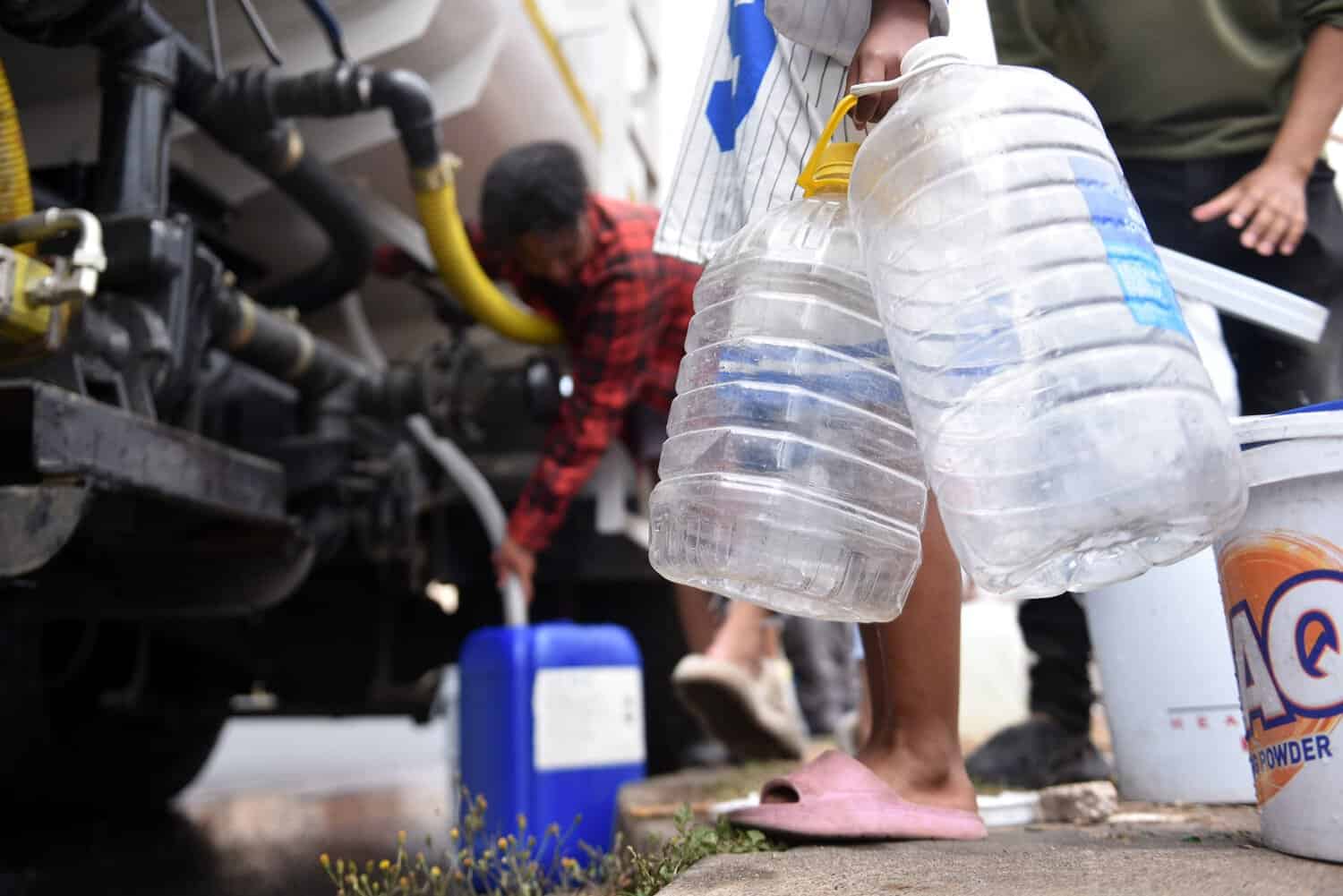
Bronkhorstspruit water crisis appears to involve a breakdown in fundamental safeguards in public service delivery. The water crisis in Bronkhorstspruit, which has left more than 800 people suffering from waterborne illnesses, is a stark reminder that the failure of municipal systems is never merely an administrative inconvenience. When taps run dry or contaminated water reaches households, the consequences are immediate, painful and potentially fatal. This is precisely why access to clean water is recognised as a basic human right and why the responsibility for providing it cannot be treated as an optional extra by any municipality. LIVE interactive map, latest news, multimedia and more! View Map What makes the Bronkhorstspruit crisis especially troubling is that it appears to involve a breakdown in one of the most fundamental safeguards in public service delivery: the routine testing and monitoring of water quality. Municipal water systems depend on daily checks, competent officials, properly maintained facilities, functioning laboratories, reliable reporting lines and swift action when warning signs emerge. If any one of these links fails, an entire community can be at risk. A system that functions like clockwork should identify a danger before contaminated water reaches residents. It should ensure that test results are recorded, verified and escalated. It should communicate honestly with the public, provide safe alternatives and investigate the source of the problem without delay. Above all, it should learn from incidents, rather than allowing them to disappear into a cycle of promises and unanswered questions. The reported scale of illness demands a transparent account of what happened, when officials first became aware of a possible problem, which tests were conducted, what action followed and why the safeguards failed. Residents deserve to know whether the crisis resulted from inadequate maintenance, weak oversight, poor communication, delayed testing or a combination of these failures. Accountability must be real, not theatrical. If negligence, incompetence or dereliction of duty is established, those responsible must face appropriate consequences, regardless of their position or political affiliation. The mayor of Tshwane, Nasiphi Moya, has been generally branded “one of the good ones”, hence the ActionSA campaign slogan, “five more years” for her. It is time she lived up to the hype and made sure that heads roll as a result of this. With local government elections less than two weeks away, voters have an important opportunity to make service delivery a central issue. Political parties will offer familiar promises about jobs, housing and development, but no manifesto should be taken seriously if it cannot explain how basic municipal services will be protected. Voters should ask candidates how they will maintain water infrastructure, publish water quality results and ensure councillors are informed when public health is at risk. The election should also be a chance to reject the idea that municipal failure is inevitable. It is not. It is often the result of weak oversight, poor planning, political interference, vacancies in critical posts and a culture in which residents are expected to endure problems without answers. A functioning metro must measure performance, publish failures and correct them before they become disasters. Bronkhorstspruit should be a turning point. The incoming administration must restore confidence through openness, competent management and measurable improvements. Clean water is not a campaign slogan or a favour granted by government. It is a basic right and protecting it must be the first duty of any municipality.
Bronkhorstspruit water crisis shows why local government elections matter
Full Article
Original Source
Read the full article at Citizen →KhanList aggregates and links to publicly available news content. We do not host full articles from third-party sources. Always verify important information with original sources.