
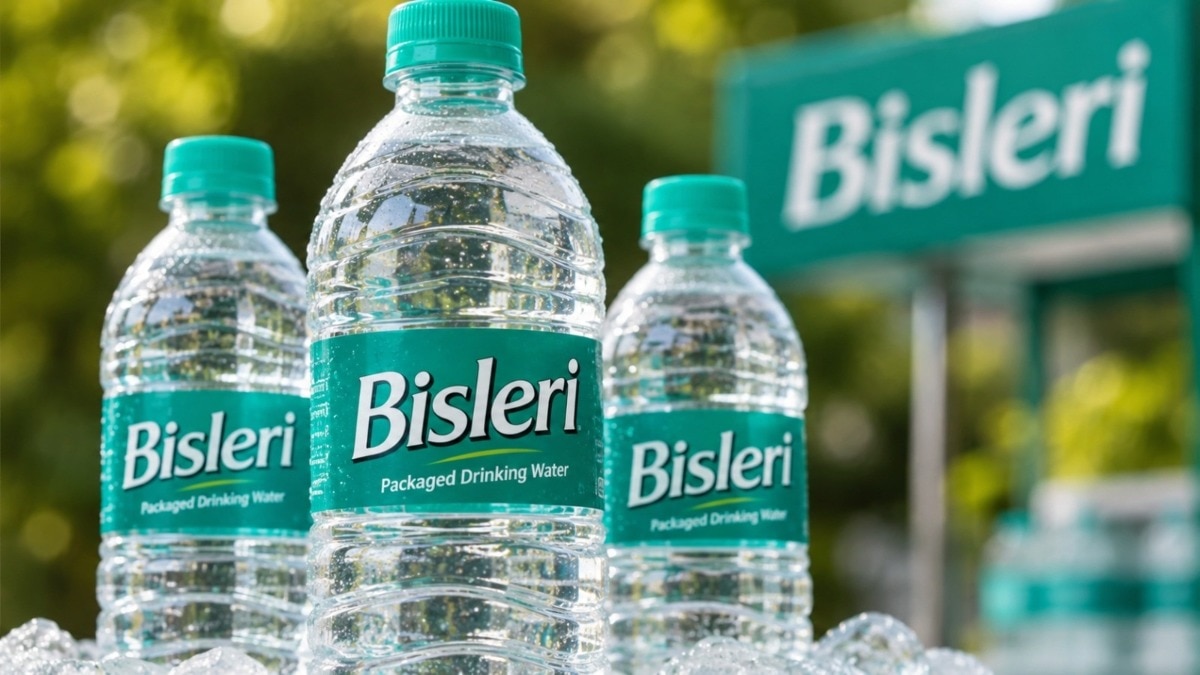
A bottle of packaged drinking water is often the first thing people reach for when they don't trust the water coming out of a tap. But a new regulatory controversy involving Bisleri, one of the country’s biggest bottled-water brands, has raised a question consumers rarely ask: Can the process used to make drinking water safe leave behind a potentially harmful chemical?The Food Safety and Standards Authority of India (FSSAI) has sanctioned prosecution against Bisleri International after a sample of its packaged drinking water was declared unsafe, with laboratory findings flagging bromate and, in subsequent testing, polynuclear aromatic hydrocarbons (PAHs).Bisleri has contested the findings, arguing that subsequent testing found bromate within permissible limits. It says the matter dates back to September 2025, when FSSAI collected six samples from its Goa facility.Five initially met standards; one recorded bromate at 12 micrograms per litre, against the prescribed limit of 10. The company says a referral laboratory subsequently found bromate within limits but flagged PAHs. Bisleri then commissioned independent testing at an FSSAI-approved laboratory, which it says also found bromate within permissible limits. It maintains it has not received the reported notice and believes the matter requires clarification.The controversy, however, puts the spotlight on a chemical that is not supposed to be in drinking water beyond tightly controlled levels and is a possible or probable carcinogen or cancer-causing substance, as classified by the World Health Organisation- International Agency for Research in Cancer (WHO-IARC). “Bromate isn't an ingredient. It forms during ozone disinfection, which is why every batch of packaged water needs to be tested by NABL accredited labs, not just the brand's reputation,” Ashay Mehta, managing director, Doctors' Analytical Laboratories, an independent analytical and contract testing lab told India Today Digital.WHEN PURIFICATION CREATES A PROBLEMBromate is a chemical by-product that can form when ozone, a disinfectant used in water treatment, reacts with naturally occurring bromide in the source water.Ozonation is widely used to kill microorganisms and make water safe. But the process needs to be carefully controlled. Depending on the water's chemistry, ozone treatment can also generate bromate – turning a purification step into a potential chemical contamination problem.The permissible limit in India is 10 micrograms per litre (g/L), in line with the WHO drinking-water guideline.In the Bisleri case, the initial reported level of 12 g/L was marginally above this threshold, so a consumer drinking one bottle is likely to suffer immediate harm. But the limit exists to minimise exposure, particularly when drinking water is consumed repeatedly over years.Bromate has been classified as a possible human carcinogen. Animal studies have linked exposure to cancer, including tumours in the kidney and thyroid. The concern is therefore about long-term exposure, not an isolated sip or bottle.And unlike microbial contamination, chemical contamination may not make water look, smell or taste different.INDIA HAS BEEN HERE BEFOREBromate has already triggered a major food-safety controversy in India before.In 2016, a Centre for Science and Environment (CSE) investigation raised concerns about potassium bromate and potassium iodate in bread and bakery products. Potassium bromate was being used as a flour treatment to improve dough strength, texture and bread volume.The concern was its carcinogenic potential. Following the controversy, FSSAI removed potassium bromate from the list of permitted food additives. The prohibition was operationalised in June 2016, and the regulator subsequently clarified that potassium bromate could not be used as an additive in food.The episode was a reminder that substances used to improve the quality of everyday products can carry unintended health risks – and that regulation must keep pace with manufacturing practices.But the bottled-water issue is different. Here, bromate is not necessarily being deliberately added – it can form during the treatment process itself, making prevention, process controls and laboratory testing critical, according to Mehta.PAHs, meanwhile, are a separate group of chemicals. Some are carcinogenic and can enter water through environmental contamination. Their detection in the disputed sample raises another question, although the health significance depends on the specific compounds and concentrations found.WHAT SHOULD YOU WORRY ABOUT?The development does not establish that all Bisleri bottles are unsafe, or that the entire brand's supply is contaminated and the reported finding relates to a specific sample from its Goa manufacturing facility, and the company disputes the laboratory results.But it does expose a blind spot in how consumers judge packaged water: we often equate a trusted brand, a sealed bottle and a familiar label with safety.Chemical contaminants cannot necessarily be detected by consumers – nor does a bottle looking perfectly clear guarantee that it meets chemical safety standards. That’s why, insists Mehta, for manufacturers, the best safeguard is consistent, batch-level testing at accredited labs while the regulator should randomly keep checking samples to ensure standards are followed.- Ends
Bromate in Bisleri: How safe is your bottled water?
Full Article
Original Source
Read the full article at Indiatoday →KhanList aggregates and links to publicly available news content. We do not host full articles from third-party sources. Always verify important information with original sources.