
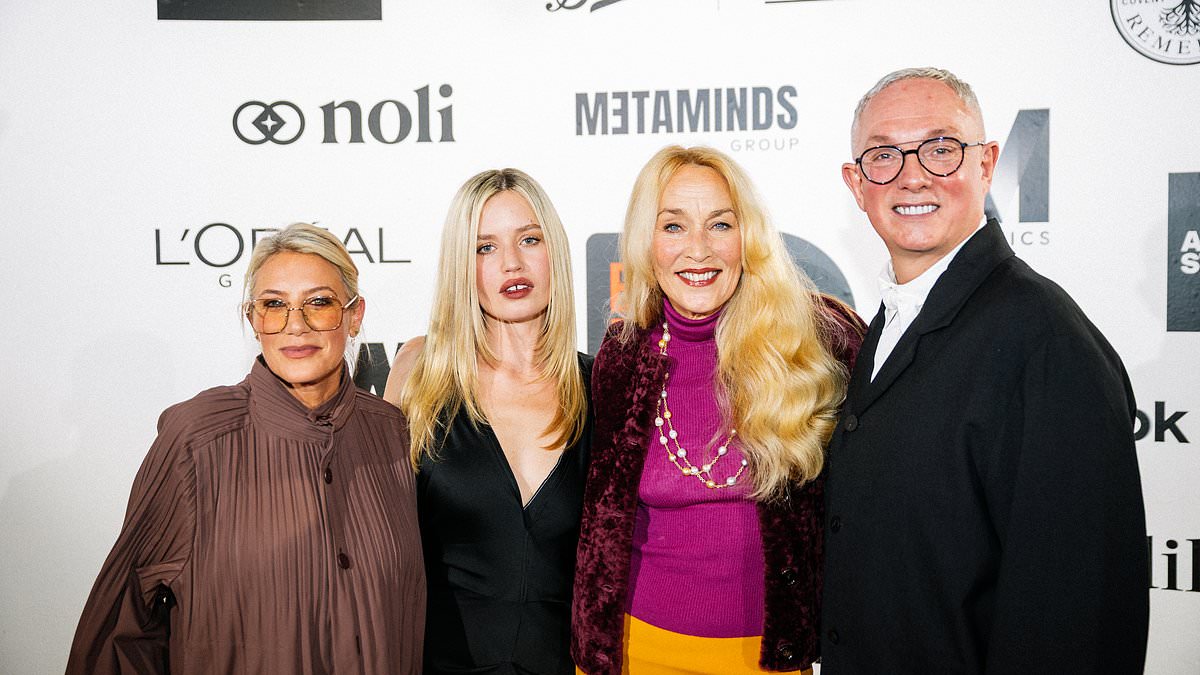
Britain’s £28bn beauty industry has called on Andy Burnham to deliver a business rates glow-up to Britain’s salons - and not just pubs.Millie Kendall, the chief executive of the British Beauty Council, whose ambassadors include Charlotte Tilbury, Kate Moss and Trinny Woodall, has told the Prime Minister that ignoring beauty businesses would be a ‘mistake’.While her members - who range from small nail salons to beauty giants such as Sephora - are often dismissed as ‘discretionary, even frivolous,’ they are powerhouse employers and contributors to growth, Kendall said.The Prime Minister said last month (JULY) that he would knock 20pc off rates for hospitality firms next year, saving pubs £1,100 on average.He said the £100m policy would be funded by slashing reliefs for gambling arcades and vape shops that ‘don’t add much to community life’.But this has angered other businesses on the High Street, which are also grappling with tough cost increases including wages, National Insurance contributions and energy bills. Millie Kendall pictured with supermodels Georgia May Jagger, Jerry Hall and celebrity hairdresser Josh Wood.Writing for The Mail and Thisis Money.co.uk, Kendall said that her members’ requests to be included in this relief is ‘not a plea for subsidy’ but instead ‘a case for economic common sense.’Kendall said that for ‘vibrant’ town centres, Labour must ‘ensure retail services are fully included in business rates support, protect businesses from steep property tax increases and create a fairer competitive environment between physical retailers and online marketplaces that operate under fundamentally different cost structures.’Growing numbers of salon workers are ditching their premises to work from home or travel to clients’ homes, ‘not because they want to abandon the high street, but because the economics no longer stack up,’ she said.This has a knock-on impact, reducing footfall to town centres, she said, ‘all while consumer spending remains subdued.’‘Salons are not just businesses in their own right, they are anchors for local economies. When they close, the consequences ripple far beyond the beauty industry,’ she said.The beauty and personal care sector is a British success story, Kendall argued. It contributed £28.3bn to the UK economy in 2025, according to the group’s latest Value of Beauty report.Kendall said that Burnham’s Government ‘must consider these stalwarts of Britain’s high street as a vehicle for growth, they simply cannot afford to overlook one of the few sectors capable of delivering it.’Earlier this year, salon owners warned that the sector was the ‘toughest it’s ever been’ due to rising employment costs after Labour’s tax raids.They also said its traditional role of offering young people first jobs sweeping up hair or learning as an apprentice was in peril. Millie Kendall writes: 'A haircut cannot be delivered by courier.'The Government says it wants to save the high street. It can't do that while ignoring hair and beauty.By Millie Kendall, chief executive of the British Beauty Council The obituary for Britain's high street has been written many times. Yet if you look beyond the empty store fronts and shuttered bank branches, you'll notice something remarkable. The lights are still on in the hair salons. The barber has opened a second location. There’s a new aesthetic skin clinic on the high street. The nail and lash bar is busy and there’s a new Sephora popping up in a town near you.Beauty is no longer simply part of the high street. It is increasingly what keeps the high street alive and brings customers into town. Yet it is often an afterthought in the Government's plans for high street renewal.This is clearly a mistake.In the latest macroeconomic report, the Value of Beauty, commissioned by the British Beauty Council and produced by Oxford Economics, it shows that the hair and beauty industry contributes £28.3billion to Britain’s GDP, larger than that of the combined film, TV and music industries.We support around 600,000 jobs, with a large majority of the workforce being women and half aged between 18-34, these direct employment figures are on par with the construction industry.The industry also contributed enough in direct tax revenues in 2025 to fund the salaries of 110,000 nurse practitioners.These are not the figures of a niche industry. They are the hallmarks of a British success story. However, behind the headline numbers there are worrying signs – employment has fallen by 2.8 per cent and our industry is stagnating and not growing at the rate it was. A stark indication of how two consecutive budgets and geopolitical unrest can affect an industry reliant on consumer confidence.In my role as CEO of the British Beauty Council, I hear from businesses time and time again that are struggling under the cumulative weight of higher National Insurance contributions, rising wage bills, escalating energy costs and business rates that no longer reflect the economic reality facing bricks-and-mortar enterprises. All while consumer spending remains subdued.As a new Prime Minister takes office, I urge Andy Burnham, and his Government, to ensure that any review and reform to Business Rates directly affected small beauty businesses, and takes into account Retail, Hospitality and Leisure as a whole.His Government must consider these stalwarts of Britain’s high street as a vehicle for growth, they simply cannot afford to overlook one of the few sectors capable of delivering it.With over 196k facilities across our local towns and villages, beauty outnumbers pubs across all types of high streets, as well as in urban and suburban areas. Yet pubs and music venues have benefited from consistent VAT and rate relief since Covid.A haircut cannot be delivered by courier. A facial cannot be outsourced to an overseas warehouse. Every appointment depends on skilled professionals working from fixed premises that require specialist plumbing, treatment rooms and equipment. Revenue is confined by physical space, while property costs continue to rise.Thriving high streets depend on destinations that people cannot replicate from their sofa. A salon appointment often means using public transport or paying for parking, buying lunch, stopping for coffee, or browsing neighbouring shops. Salons are not just businesses in their own right, they are anchors for local economies. When they close, the consequences ripple far beyond the beauty industry.Increasing numbers of professionals are leaving commercial premises altogether to work from home or as mobile practitioners and not because they want to abandon the high street, but because the economics no longer stack up.That should concern every Prime Minister.Every empty salon leaves another vacant unit, fewer reasons for consumers to visit town centres and fewer taxable businesses contributing to local economies. No serious strategy for high street regeneration can ignore this reality.Some will argue that public finances are stretched and every sector believes its case is exceptional. They are right to be cautious, but beauty is not asking for exceptional treatment. It is asking for consistent treatment and to be regarded as relevant as other High Street businesses.For decades, the Government has rightly recognised retail, hospitality and leisure as an interconnected ecosystem. Yet recent support has increasingly drawn distinctions that fail to reflect how Britain's high streets actually work. A thriving pub cannot compensate for a parade of empty shops. Nor can a successful restaurant replace the daily footfall generated by salons, beauty retailers and barbers.If ministers genuinely want vibrant town centres, they should ensure retail services are fully included in business rates support, protect businesses from steep property tax increases and create a fairer competitive environment between physical retailers and online marketplaces that operate under fundamentally different cost structures.This is not a plea for subsidy. It is a case for economic common sense.Beauty is often dismissed as discretionary, even frivolous. The numbers tell a different story. It is one of Britain's largest employers, a significant taxpayer, a vital route into skilled work and, increasingly, the sector that keeps many high streets functioning.We cannot regenerate Britain's high streets while allowing the businesses that bring people into them every day to disappear. If the Government truly wants to revive the high street, it should start by recognising the industry that has quietly been holding it together all along.DIY INVESTING PLATFORMSAJ BellAJ BellEasy investing and ready-made portfoliosHargreaves LansdownHargreaves LansdownFree fund dealing and investment ideasinteractive investorinteractive investorFlat-fee investing from £4.99 per monthFreetradeFreetradeInvesting Isa now free on basic planTrading 212Trading 212Free share dealing and no account feeAffiliate links: If you take out a product This is Money may earn a commission. These deals are chosen by our editorial team, as we think they are worth highlighting. This does not affect our editorial independence.Compare the best investing account for you
British beauty industry calls for Burnham to act on business rates
Full Article
Original Source
Read the full article at Dailymail →KhanList aggregates and links to publicly available news content. We do not host full articles from third-party sources. Always verify important information with original sources.