
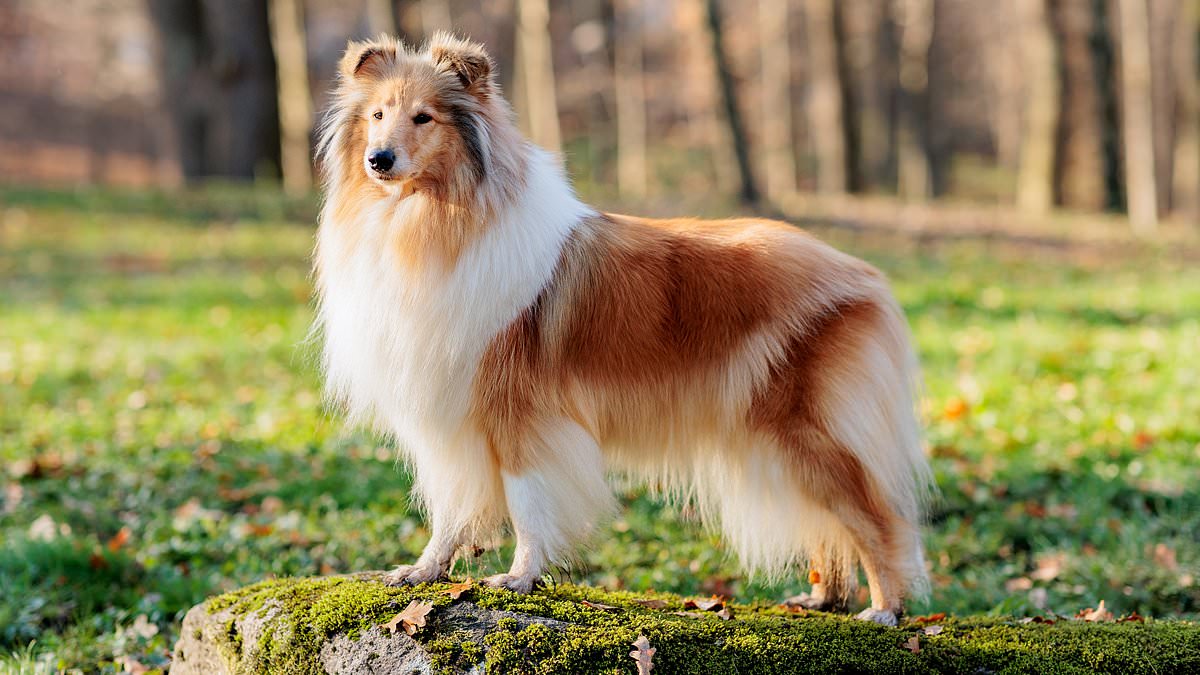
They were once the dogs that defined Britain, from Lassie's Rough Collie to the shaggy Dulux Sheepdog and the droopy-eared Bloodhound.But a new analysis suggests many of the nation's most iconic breeds are disappearing from family homes, as owners increasingly opt for fashionable designer crossbreeds instead.Royal Kennel Club registration data analysed by VetMedi suggests many of Britain's best-known native dog breeds are in steep decline, with some recording only a handful of births in 2025.Breeds including the Bloodhound, Otterhound, Sussex Spaniel, Old English Sheepdog and Greyhound have seen registrations fall dramatically over the past decade, pushing several onto the Vulnerable Native Breeds list.Researchers say traditional working and hunting breeds are increasingly being displaced by Cockapoos and Cavapoos which are often better suited to modern urban lifestyles.And if this continues, we risk losing some of our most iconic breeds for good.‘If prospective buyers only choose what is trending online, we risk irreversible genetic bottlenecks and losing Britain's finest historic breeds forever,’ Dr Charlotte Inness, vet and founder of VetMedi said. The Old English Sheepdog, famous as the Dulux dog, recorded only 218 births in 2025, analysis revealed Registrations of the iconic Rough Collie, best known as Lassie, have halved to 345 over the last 10 years, placing the breed on the Kennel Club's ‘At Watch’ listAnalysis revealed several traditional breeds have seen their numbers collapse to alarmingly low levels.Bloodhound registrations fell by more than 90 per cent over the past decade, dropping from 53 puppies in 2016 to just five in 2025, while only 10 Otterhounds were registered nationwide last year.The Sussex Spaniel also declined sharply, falling from 49 registrations a decade ago to just 15, and Curly Coated Retriever numbers dropped almost 70 per cent to just 25 puppies.Soft Coated Wheaten Terrier registrations fell 71.8 per cent, from 326 to 92 over the 10-year period.The Old English Sheepdog, famous as the Dulux dog, recorded only 218 births in 2025, while registrations of the iconic Rough Collie, best known as Lassie, have halved to 345, placing the breed on the Kennel Club's ‘At Watch’ list.Even some better-known breeds have suffered steep declines.Dalmatian registrations have fallen 32 per cent over the past decade to 743 and are down more than 55 per cent since their pandemic-era peak in 2021.The Irish Water Spaniel has declined by 42 per cent since 2016, while Greyhound registrations have plunged by more than 75 per cent, from 41 puppies to just 10 last year. Bloodhound registrations fell by more than 90 per cent over the past decade, dropping from 53 puppies in 2016 to just five in 2025This shift is reinforced by YouGov’s most popular dog breeds of 2026 rankings, which show public favourability heavily concentrated among a handful of mainstream favourites like the Labrador Retriever, Golden Retriever, Border Collie and Cocker Spaniel.Meanwhile, not a single vulnerable native breed ranks within the public’s top 50 favourites – highlighting many quintessentially British breeds have completely slipped out of public consciousness.Dr Inness said this decline is likely due to post-pandemic lifestyle shifts and realistic limits on time, space, and awareness.‘During Covid, there was a definite trend towards smaller dogs such as Cockapoos and Frenchies, as these breeds tend to require less space and exercise,’ she said.‘Historically, breeds like Border Collies and Dalmatians are working-type dogs. Border Collies have a strong work drive, while Dalmatians were originally bred to run alongside horse carriages.‘Because of this, a combination of experience, time, and space is required to raise them. They need around two hours of daily exercise, mental stimulation, and early socialisation - factors that, since Covid, have proven harder for modern households to meet.’The move away from more demanding breeds has also been accompanied by a sharp decline in some dogs that were once hugely fashionable.Kennel Club figures show French Bulldog registrations have fallen by 85.7 per cent since peaking at 54,074 in 2021, dropping to 7,750 in 2025.Pug registrations have seen an even steeper fall, plunging 92.3 per cent from 10,783 in 2017 to just 834 last year.Dr Inness said the dramatic rise and fall of these breeds highlights the fleeting nature of social-media-fuelled pet trends.
Britain's most iconic dogs are disappearing: Owners swap Old English Sheepdogs, Collies and Bloodhounds for fashionable designer crossbreeds
Full Article
Original Source
Read the full article at Dailymail →KhanList aggregates and links to publicly available news content. We do not host full articles from third-party sources. Always verify important information with original sources.