
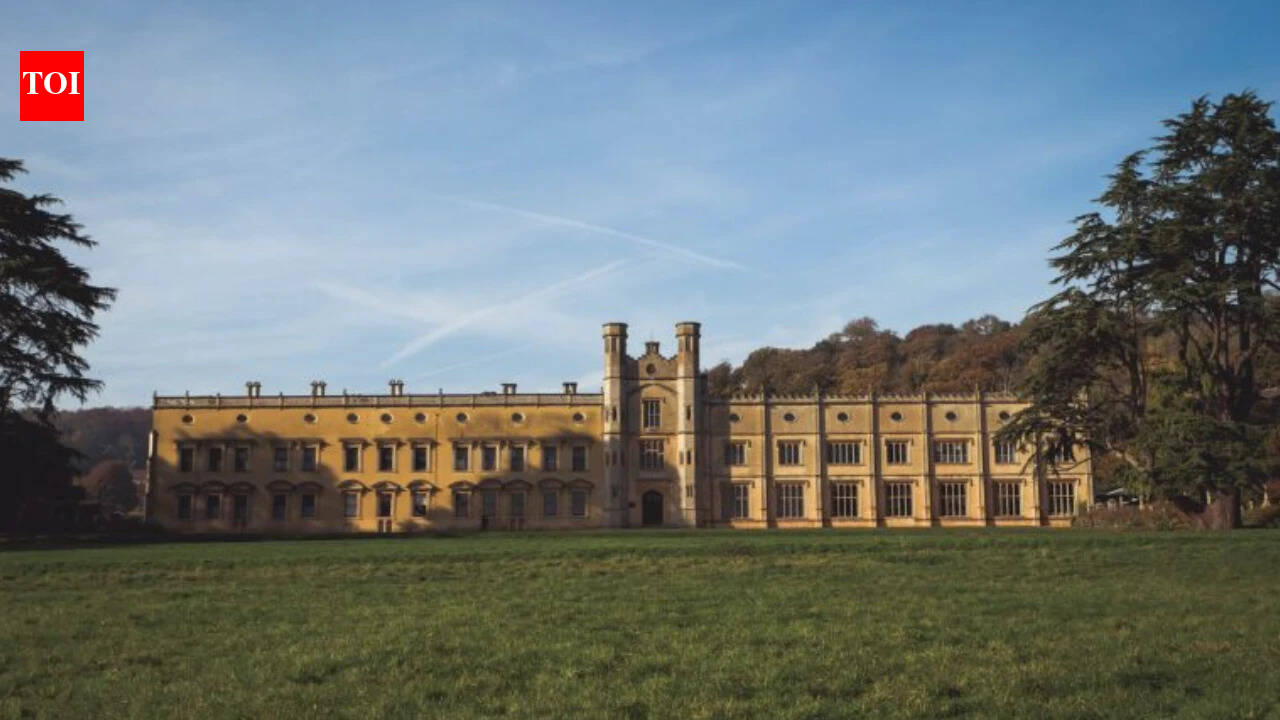
(Image: Ashton Court Mansion Trust)Some buildings outlive the generations that built them, quietly carrying fragments of a city's history in their walls, corridors and forgotten rooms. They witness changing fortunes, shifting ideas of wealth and power, and the transformation of the neighbourhoods around them. But time does not always preserve a building simply because it has stood for centuries. Sometimes, the harder question is whether a city can find a reason, and the resources, to keep its history alive.In Bristol, England, one such building has been waiting for a second life. Ashton Court Mansion, whose oldest surviving parts date back to the 14th century, has seen centuries of change, from its origins as a country estate to its years as a public landmark. Yet much of the historic mansion has remained inaccessible and in poor condition for years, with restoration plans repeatedly struggling to find a sustainable financial future. Now, a community trust hopes to change that, not by turning the building into a private property, but by bringing it back into public and community life.The effort has received an important boost after Bristol City Council councillors backed a proposed 125-year lease of the Grade I-listed mansion to Ashton Court Mansion Trust. However, the road to restoration is far from complete. The trust has raised around £125,000 through its community share offer, against a minimum fundraising target of £480,000 needed to establish its operations and support its early plans.A 125-year lease offers a new possibility for the historic mansion(Image: Ashton Court Mansion Trust)According to Bristol City Council's official decision record, the Strategy and Resources Policy Committee approved the proposal on November 16, 2026, endorsing the trust's business plan and authorising the necessary steps towards entering into a long-term lease. The arrangement is intended to allow the trust to regenerate the mansion and provide wider benefits and public access for people in Bristol, North Somerset and visitors.The decision is an important step, but the lease has not yet been formally signed. It is also subject to a call-in period, with the council's decision record stating that it will come into force on November 24 if it is not called in by the November 23 deadline.Under the proposed arrangement, Bristol City Council will retain ownership of the mansion, while the trust will take responsibility for managing, maintaining and restoring the historic building. The long-term lease is expected to give the organisation greater certainty when applying for heritage grants, attracting investment and raising the substantial funds needed for restoration.The trust's plans also involve gradually bringing more of the mansion into use. Rather than attempting to restore the entire property at once, the proposal follows a phased approach, allowing individual rooms and sections to reopen as funding becomes available. The wider Ashton Court Estate, including its parkland, deer park and public facilities, will remain under council management.Why restoring a 600-year-old mansion is proving difficult(Image: Ashton Court Mansion Trust)The history of Ashton Court Mansion stretches back much further than its current restoration efforts. A manor at Ashton Court was recorded in the Domesday Book, while the oldest surviving core of the present house dates from the late 14th century. The Smyth family acquired the estate in the 1600s and successive generations expanded and remodelled the property over the following centuries.However, maintaining a large historic country house is an expensive undertaking, and the mansion's decline began long before its present restoration plans. According to the trust's account of the building's history, the Smyth estate faced financial difficulties during the late 19th and early 20th centuries, with death duties, two world wars and rising maintenance costs putting increasing pressure on the family. By the time Bristol City Council purchased the estate in 1959, the mansion was already in a severely deteriorated condition.Although repair and restoration work was undertaken over the years, unexpected structural problems and competing financial priorities meant that much of the interior remained unfinished. An arson attack in 2013 also caused serious damage to the library in the West Wing. The mansion has remained on Historic England's Heritage at Risk register for more than a decade, while around three-quarters of its interior has been described as derelict or unusable.The scale of the challenge is reflected in the trust's financial estimates. Its business plan anticipates that a full regeneration could require investment of up to £25 million over approximately 20 years. The first five-year phase alone is estimated to cost around £12 million, with major grants, institutional funding, philanthropy and fundraising expected to contribute towards the work.The community fundraising challenge behind the restoration(Image: Ashton Mansion Trust)Alongside the proposed lease, Ashton Court Mansion Trust has launched a community share offer to build the financial foundation needed to take on the building. The offer opened on October 21, inviting members of the public to invest in the organisation and become part of its future.The trust has raised approximately £125,000 so far. Its share offer document sets a minimum target of £480,000, an optimum target of £500,000 and a maximum of £550,000. The money is intended to provide working capital for operating the mansion and delivering its charitable activities during the early years. It is important to note that this is not the entire restoration fund; the much larger building programme will require separate grants, donations and investment.Simon Cook, chair of Ashton Court Mansion Trust, said the community share offer had raised £125,000 in its first three weeks, representing 25% of its £500,000 target. He said: "That is a fantastic response, but we still need to raise the remaining £375,000 to provide the working capital needed to operate the building and build the charity that will deliver both community benefit and restoration of the building."The trust's vision extends beyond simply repairing the mansion's walls and roof. Its plans include cultural and artistic activities, heritage programmes, learning opportunities, workspaces, hospitality and community events. Commercial activities, including weddings and private events, are also expected to generate income to support the building's long-term upkeep and charitable work.For now, the council's backing has given the restoration campaign a significant opening, but the difficult work of securing funding and bringing the building back into use remains. A mansion that has stood through centuries of change cannot be restored overnight, and its next chapter will depend on more than a lease or a fundraising campaign. It will require a sustained effort to make the building useful and accessible again, so that Ashton Court is not remembered only as a piece of Bristol's past, but can once again become part of its everyday life.
Bristol backs 125-year lease to save 600-year-old mansion; funding still short
Full Article
Original Source
Read the full article at Timesofindia →KhanList aggregates and links to publicly available news content. We do not host full articles from third-party sources. Always verify important information with original sources.