
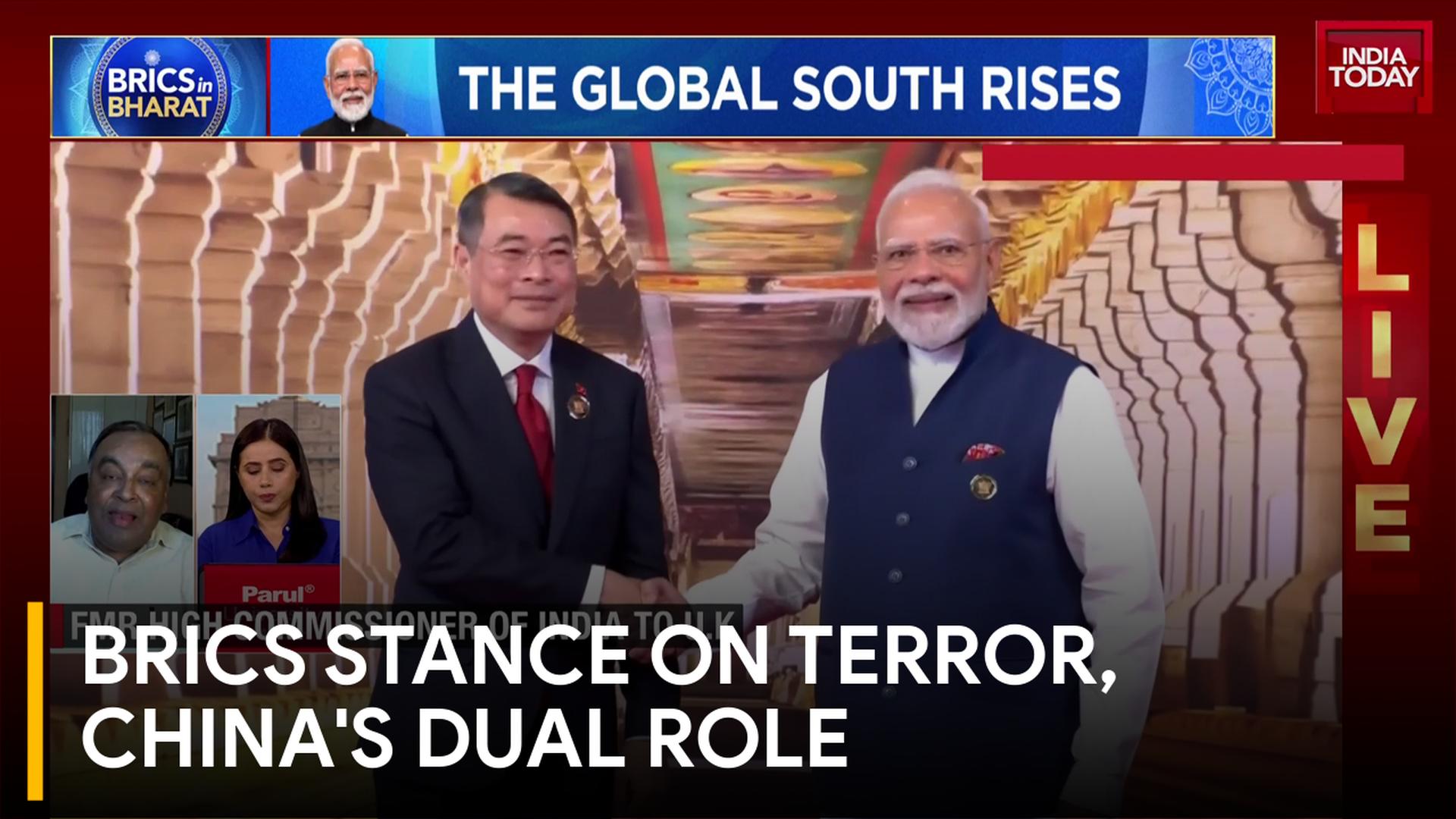
BRICS New Delhi Declaration Condemns Terrorism, Flags Unilateral Tariffs and Energy SanctionsThe BRICS summit concluded with the adoption of the New Delhi Declaration, outlining the bloc's collective stance on global terrorism, trade tariffs, energy security, and geopolitical conflicts. The 140-paragraph document called for concerted action against all United Nations-designated terrorists and terrorist entities, reiterating zero tolerance for terrorism and condemning attacks targeting civilians. Panellists noted India's success in building consensus among an expanded 11-member grouping, successfully balancing regional dynamics in the Middle East by bringing nations like Iran and the UAE onto the same page. The declaration also voiced serious concerns regarding unilateral tariff and non-tariff measures that distort international commerce and run contrary to World Trade Organization rules. Furthermore, the discussion highlighted the adverse impact of unpredictable global sanction regimes on national energy planning and economic security.Delhi Declaration Adopted At 20th BRICS Summit As India Pushes For Global Order OverhaulAt the 20th BRICS Summit held in India, member nations adopted the New Delhi Declaration by consensus, prioritising dialogue over confrontation, peaceful dispute resolution, and reformed multilateralism. Prime Minister Narendra Modi welcomed global leaders and emphasised the need for an ambitious agenda for the next two decades while ensuring institutional momentum continues. Outlining India's priorities, PM Modi proposed a dedicated emergency support network for seafarers to safeguard maritime trade and navigation. He also called for an urgent overhaul of the UN Security Council through time-bound, task-based negotiations, alongside reforms in international financial institutions to reflect contemporary economic realities. The declaration highlighted key concerns including risks of nuclear conflict, opposition to unilateral coercive measures and tariff barriers, adherence to World Trade Organization rules, and the development of cross-border payment mechanisms to facilitate seamless trade.West Asia Crisis, BRICS Payment Mechanism & Shifting Global Order DiscussedA panel discussion evaluated key geopolitical shifts highlighted in the New Delhi Declaration and BRICS summit proceedings. Panellists analysed the unfolding West Asia crisis, noting the breakdown of historical post-Ottoman arrangements and the risks faced by nations relying on external military protection. The debate addressed the need for independent economic payment mechanisms to counter Western trade restrictions among BRICS economies. Panellists also raised concerns over the rapid erosion of global strategic stability, the weakening of historic maritime freedom of navigation, and the diminishing influence of traditional superpowers. In response, Ambassador Trigunayat defended the diplomatic document as a comprehensive consensus representing diverse member interests, emphasising the Prime Minister's call for the Global South to act as a rule shaper, prevent attacks on nuclear infrastructure, and collectively resist emerging technological apartheid.Iran-UAE Diplomatic Meeting, PM Modi's Global Outreach And West Asia DynamicsDiplomatic discussions between UAE Crown Prince Sheikh Khaled bin Mohamed bin Zayed Al Nahyan and Iranian President Masoud Pezeshkian highlight regional dynamics in West Asia. In an interview, Iranian President Masoud Pezeshkian reflected on bilateral relations between India and Iran, noting that ties with Prime Minister Narendra Modi have been developing consistently based on historical and cultural foundations. The talks also focused on broader regional engagement, including upcoming deliberations involving GCC member nations and Iran in Oman. Strategic experts and diplomats analysed the multilateral context of the meeting, discussing sovereignty, the United Nations Charter, and diplomatic engagement. The panel assessed the scope of providing platforms for bilateral dialogue, the dynamics of regional conflict resolution, and the strategic positioning of partner nations amid evolving diplomatic alignments in the Middle East.
BRICS Summit Terrorism Stance, China's Stand On Pakistan & West Asia Crisis Decoded
Full Article
Original Source
Read the full article at Indiatoday →KhanList aggregates and links to publicly available news content. We do not host full articles from third-party sources. Always verify important information with original sources.