
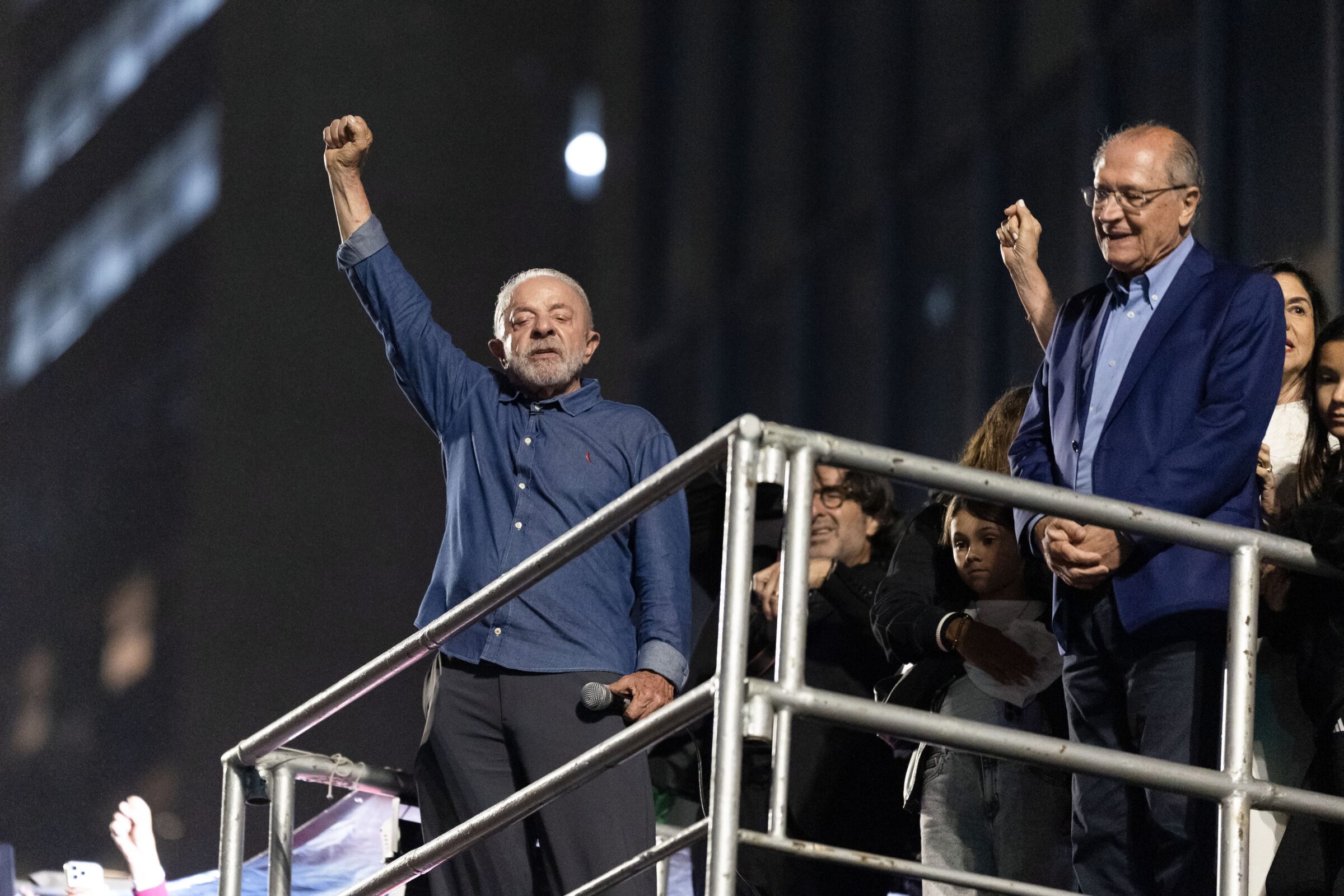
In a historic turn of electoral tides, Brazil’s incumbent president Luiz Inácio Lula da Silva defeated far-right opponent Flávio Bolsonaro on Sunday (25 October,) alleviating fears that a Bolsonaro-dynasty comeback would topple the world’s fourth-largest democracy. Following a disastrous first-round election for Lula on 4 October, in which he narrowly lost a majority in Brazil’s national congress, the Workers’ party leader overturned predictions to become the first president to win the second round of voting after losing the first one. First-round voting gave 47 percent for former president Jair Bolsonaro’s son, Flávio, and his rightwing Liberal Party, whose voters mainly represent wealthy and emerging middle classes in the south of Brazil, as well as evangelical Christians, one of the largest religious groups in the country. Lula’s northeastern, working class, multi-racial support base only made up 45 percent of all primary votes, but climted to 51.8 percent in Sunday’s second-round of the presidential election. Despite setting a record in being the first Brazilian president to win four non-consecutive terms, Lula’s triumph still leaves room for possible conflict. Bolsonaro, whose campaign capitalised on continuing the work of his divisive father, who is currently serving a 27-year prison sentence for plotting a coup after losing the 2022 election, refused to concede defeat – leaving an open window for history to repeat itself. “We’ll request the annulment of these elections,” Bolsonaro told the press after votes had been counted, accusing Brazil’s Supreme Court of having “changed the rules of the game in the middle of the game,” by ordering polls to stay open for two more hours on Sunday. What Brazil’s nationalist candidate declared as “unacceptable” was an idea initially intended to facilitate all Brazilians’ attendance at the polls, since multiple areas were reported to have been affected by public transport problems. Bolsonaro’s issue with the courts is another link in the chain of power-hungry promises he had made during his campaign to “re-democratise this country”. Without guidance on what that could mean beyond his publicised desire to extend the duration of presidential terms, many voters fearfully associated his remarks with a potential coup, or with Jair Bolsonaro’s infamous liking for authoritarian rulers - including Brazil’s own 1964-1985 dictatorship. 'Lula's army'
Brazil’s Lula survives Bolsonaro scare, safeguarding EU democratic ally on climate and trade
Full Article
Original Source
Read the full article at Euobserver →KhanList aggregates and links to publicly available news content. We do not host full articles from third-party sources. Always verify important information with original sources.