
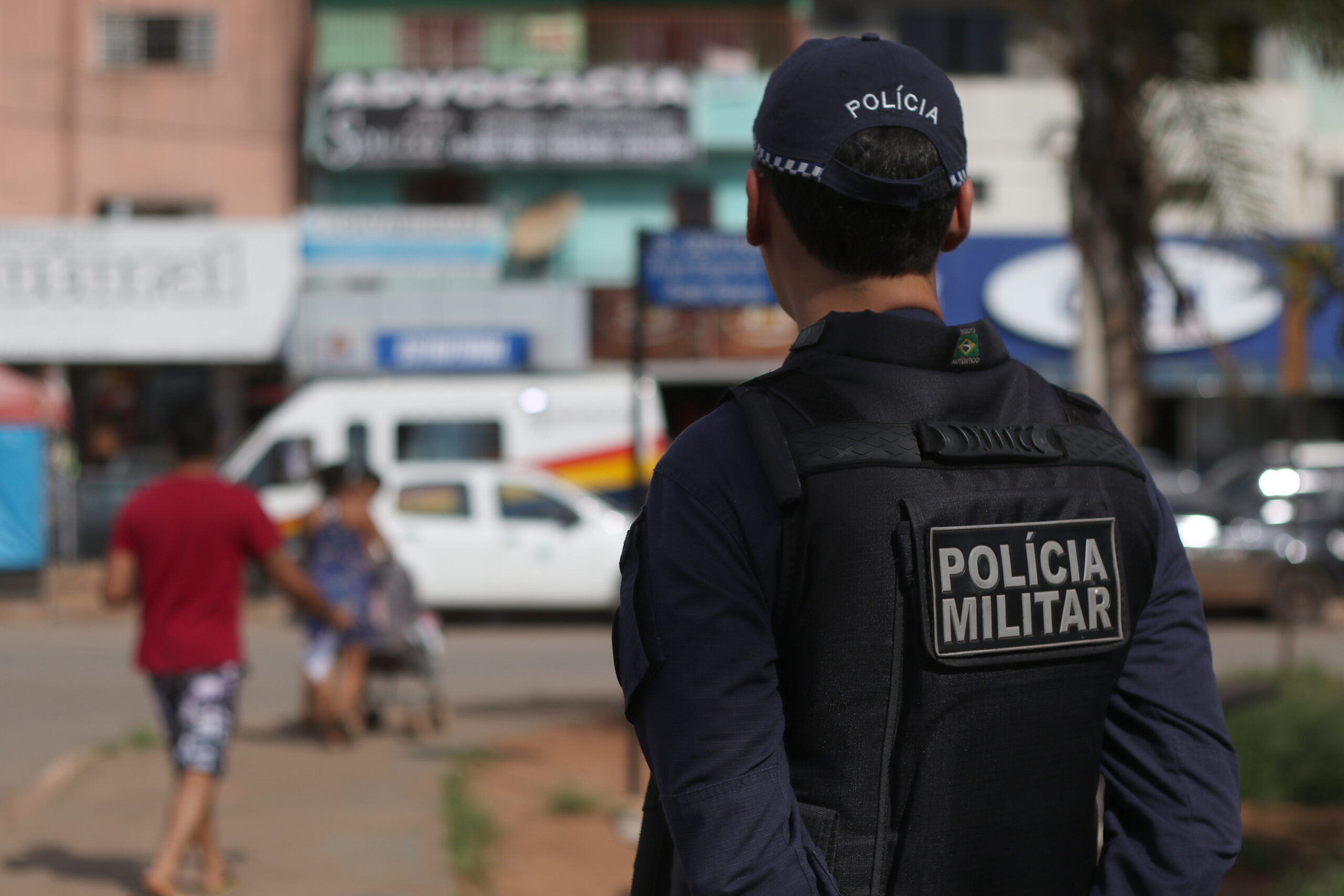
The constitutional amendment passed without opposition.RIO DE JANEIRO (CN) — Brazil approved a constitutional amendment Tuesday that expands the federal government’s role in public security, directs oil revenue to policing and prisons and calls for tougher penalties against criminal organizations.The Senate approved President Luiz Inácio Lula da Silva’s proposal in two rounds of voting, with no opposing votes, after separating out amendments that would lower the age of criminal responsibility. The lower house approved the amendment March 4, clearing the way for Congress to formally enact it without presidential approval.The vote marks a victory for Lula after a presidential campaign in which public security figured prominently. The amendment also clears the way for a Public Security Ministry, whose creation Lula had made contingent on its approval.The government secured approval before the new Congress takes office in 2027, when the opposition will have greater strength in the Senate.Lula welcomed the vote in a social media post, saying the new ministry would focus on intelligence, planning and cooperation with states and municipalities to confront criminal factions and militias.“Protection for citizens. Prison for criminals,” Lula wrote. “The Brazilian people have the right to work, return home and live in peace. Guaranteeing that right is a commitment of Brazil’s government.”João Gabriel Madeira Pontes, an attorney who holds a doctorate in public law from Rio de Janeiro State University, welcomed greater federal involvement and cooperation among different levels of government.“Under the original framework of the 1988 Constitution, public security was almost exclusively the responsibility of the states,” Pontes said.The amendment adds the Unified Public Security System, which already exists under federal law, to the Constitution. It provides for joint operations, information sharing and integration of federal, state and municipal agencies’ systems.It restricts the government’s ability to freeze money in federal public security and prison funds or use it for other purposes, while directing 10% of the surplus in the oil-funded Social Fund to those programs. The transfers will begin in 2027 and reach the full percentage in 2029.The text requires legislation establishing tougher penalties for members of criminal organizations based on their rank within those groups. These include incarceration in maximum-security or other specialized facilities, limits or bans on moving to less restrictive prison regimes and confiscation of assets linked to criminal activities.The amendment also expands the Federal Police’s authority to investigate militias and criminal organizations operating across state or international borders. The Federal Highway Police will be able to patrol federal railways and waterways in addition to highways.Municipalities will be able to establish civilian police forces for patrols and community policing, provided they meet requirements for training, funding and coordination with other forces. Public prosecutors will exercise external oversight.Pontes said the main challenge will be integrating new federal and municipal responsibilities with existing state police structures. The amendment maintains the division between military police, responsible for patrols, and civil police, responsible for criminal investigations.“How will this fit together with an old institutional structure that has been criticized for many years — the states’ public security structure?” Pontes said. “I think there will be considerable difficulty integrating these changes with the institutional framework that already existed at the state level.”Pontes also questioned the effectiveness of relying on incarceration, which he described as “somewhat the logic behind the amendment.”“Mass incarceration has always been a phenomenon in Brazil, and it grows every year. And we haven’t achieved much through incarceration. I really don’t know how this could improve public security, specifically the fight against organized crime,” Pontes said.A dispute over the age of criminal responsibility, currently 18, had threatened to delay approval. The opposition proposed lowering it to 16 generally and 14 for certain crimes, while a Workers’ Party proposal would lower it to 16 only for crimes classified as heinous under Brazilian law. Senators voted 38-36 to consider those proposals separately, avoiding another vote on the amendment in the lower house.Senator Flávio Bolsonaro, whom Lula defeated in the presidential election, participated remotely from the United States and voted against considering the proposals separately. He left Brazil on Oct. 27, after a Supreme Court justice ordered him to surrender his passports as part of an investigation into suspected money laundering.Courthouse News reporter Marília Marasciulo is based in Brazil.Categories / UncategorizedSubscribe to our free newslettersOur weekly newsletter Closing Arguments offers the latest about ongoing trials, major litigation and rulings in courthouses around the U.S. and the world, while the monthly Under the Lights dishes the legal dirt from Hollywood, sports, Big Tech and the arts.Additional Reads
Brazil expands federal powers over public security
Full Article
Original Source
Read the full article at Courthousenews →KhanList aggregates and links to publicly available news content. We do not host full articles from third-party sources. Always verify important information with original sources.