
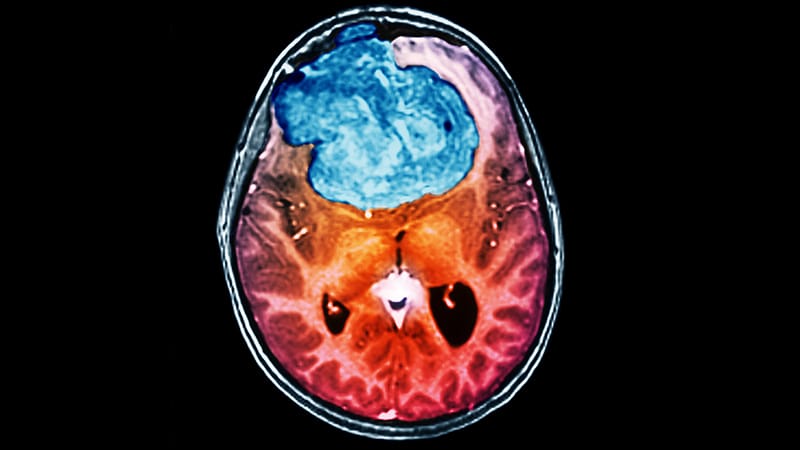
Scientists have created minuscule robots which can deliver medicine to the brain.The blood-brain barrier (BBB) helps prevent infections, germs and other harmful cells from getting into the brain, but the protective layer of cells can also sometimes prevent some medicines from getting to the organ.Experts said that this is one of the “biggest challenges in treating brain diseases”.But now a team of researchers have now developed a nanorobotic system called a BrainBot which can successfully cross the BBB to deliver medicines.Researchers found that the miniature bots can help deliver five times the amount of medication into the brain than would usually be expected.Experts initially assessed whether the technology could help treat brain tumours, specifically a type of brain cancer called glioblastoma, but they said that the technology could one day also help for other neurological conditions such as Parkinson’s disease.The bots, which have been described as balloon-like in structure, are injected into the bloodstream.Specialised DNA molecules called aptamers help the BrainBots recognise and bind to cells lining the BBB.Near infrared light directed to the brain helps the bots use “light activated propulsion” to transport across the barrier.The cells ferry the BrainBots into the brain, where they can release the “payload” of medication to help treat brain tumours.Writing in the journal Science Robotics, experts from California Institute of Technology (Caltech) describe how BrainBot is “designed to actively traverse the BBB through on-demand propulsion coupled with biological targeting”.The approach has been demonstrated in mice with hopes for trials in humans in the future.The authors describe how BrainBots loaded with a type of chemotherapy were able to achieve “enhanced brain delivery” in mice with glioblastoma.This in turn suppressed tumour growth and can “markedly reduce systemic toxicity” linked to chemotherapy compared with usual chemotherapy administration, they said.The Brainbots, which are made of biocompatible and biodegradable materials, are 250 nanometres in size, or hundreds of times smaller than the width of a human hair, experts said.Wei Gao, professor of medical engineering at Caltech, said: “We showed that our BrainBots can carry medication through the bloodstream and help deliver it across the blood–brain barrier, one of the biggest challenges in treating brain diseases.“Because the BrainBots are so small and the blood circulation is so fast, we initially were not sure how much a method based on nanoscale propulsion would increase the passage of drugs through the BBB, we are thrilled to see it worked so well.“Our new nanorobot is not limited to brain delivery, but we are trying to address one of the biggest problems in medicine— crossing the blood–brain barrier — as a starting point.“We targeted cancer, but there are a lot of neurological diseases, such as Parkinson’s, for example, that we hope could benefit from this technology.”Commenting, Dr Karen Noble, director of research and policy at the charity Brain Tumour Research, said: “The blood-brain barrier prevents many potentially effective drugs from reaching brain tumours and finding ways to overcome this could transform treatment and improve outcomes.“But scientific progress requires sustained investment.“That’s why we continue to call for an increase in the national investment on brain tumours to at least £45 million a year to ensure that Government can meet its ambitious survival targets set out in the National Cancer Plan.”
‘BrainBots’ Could Help Deliver Chemotherapy to the Brain
Full Article
Original Source
Read the full article at Medscape →KhanList aggregates and links to publicly available news content. We do not host full articles from third-party sources. Always verify important information with original sources.