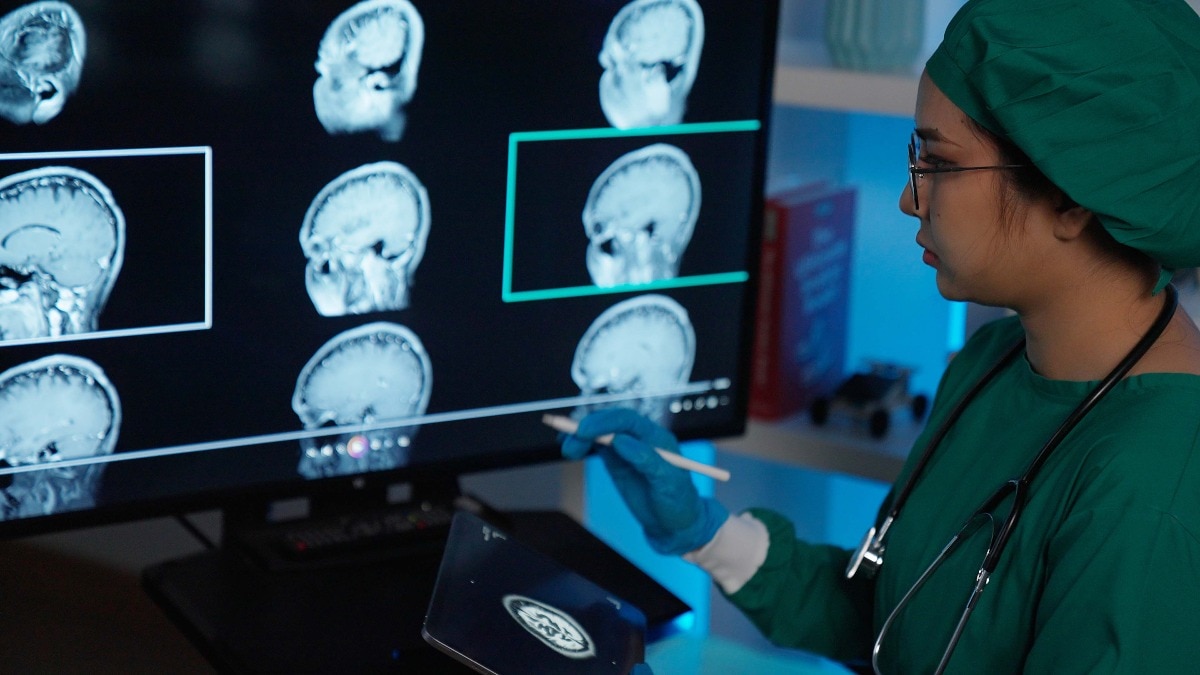
Neurological disorders are becoming one of India's biggest public health challenges, with stroke increasingly affecting younger adults and specialist care remaining out of reach for many. Doctors say improving awareness, early diagnosis, and access to neurologists is now more urgent than ever.Brain disorders in India: Rising stroke cases expose neurologist shortageNeurological disorders are no longer limited to older adults or a small section of the population. Across India, doctors are seeing a steady rise in conditions such as stroke, epilepsy, Parkinson's disease, dementia, multiple sclerosis, and other brain-related illnesses. Alarmingly, experts say stroke, which was once considered a disease of old age, is now affecting many people in their 30s and 40s due to unhealthy lifestyles and increasing rates of diabetes, hypertension, obesity, stress, and poor sleep.Despite this growing burden, access to specialist neurological care remains a major challenge. Most neurologists are concentrated in large cities, leaving patients in smaller towns and rural areas with limited options for timely diagnosis and treatment. As a result, many people reach a neurologist only after their disease has progressed, reducing the chances of better recovery and increasing the risk of permanent disability.The concern is highlighted in the World Health Organisation's (WHO) Global Status Report on Neurological Disorders 2025, which estimates that more than 40% of the world's population is living with a neurological condition. The report also points out that India's neurologist-to-patient ratio is nearly 80 times worse than that of high-income countries, highlighting the country's severe shortage of specialists.On World Brain Day, experts are urging policymakers to strengthen neurological services, expand specialist training, improve public awareness, and make brain healthcare available beyond metropolitan cities. BRAIN DISORDERS ARE RISING ACROSS INDIADoctors say neurological disorders are becoming one of the fastest-growing health concerns in the country. An ageing population, longer life expectancy, and the growing burden of lifestyle diseases are contributing to this increase. Dr Madhukar Bhardwaj, Director and Head of Neurology at Aakash Healthcare, says neurological disorders have become one of the most pressing healthcare challenges facing India today.According to him, the country's rapidly ageing population, combined with unequal access to specialist care, makes the situation particularly concerning. Many patients living outside major cities struggle to receive timely neurological consultation, delaying treatment and increasing the risk of long-term disability.STROKE IS INCREASING AMONG YOUNGER ADULTSOne of the biggest changes doctors are witnessing is the rise in stroke among younger people.Dr Bhardwaj says strokes are no longer limited to older adults. Increasingly, people in their 30s and 40s are experiencing strokes because of uncontrolled high blood pressure, diabetes, obesity, smoking, chronic stress, physical inactivity, unhealthy eating habits, and poor sleep.Experts say many of these risk factors are preventable, making lifestyle changes an important part of reducing future brain disease.EARLY DIAGNOSIS CAN SAVE LIVESMany neurological disorders develop slowly and silently before symptoms become obvious.Doctors warn that conditions such as Parkinson's disease, epilepsy, memory disorders, and even stroke often remain undiagnosed until they become severe.According to Dr Bhardwaj, recognising warning signs early and seeking specialist care without delay can significantly improve treatment outcomes. However, lack of awareness and poor access to neurologists often prevent patients from getting timely help.Experts stress that educating people about symptoms and strengthening referral systems at the primary healthcare level can help diagnose these conditions earlier.TECHNOLOGY CAN HELP BRIDGE THE GAPAlthough India faces a shortage of neurologists, experts believe technology can improve access to care.Dr Neha Kapoor, Associate Director and Head of Neurology at Asian Hospital, says advances in neuroimaging, artificial intelligence (AI), and precision medicine are changing the way neurological diseases are diagnosed and managed.She adds that neurotechnology and digital health platforms have the potential to connect specialists with patients living in remote areas. However, these technologies need to become part of the public healthcare system so that patients across the country—not just those in big cities can benefit.HEALTHY LIFESTYLE CAN PROTECT BRAIN HEALTHNeurologists say brain health is closely connected to overall health.Dr. Rajas Deshpande, Consultant and Head of Neurology at Jupiter Hospital, Pune, explains that controlling high blood pressure, diabetes, obesity, smoking, and physical inactivity can greatly reduce the risk of stroke and vascular dementia.He says prevention deserves as much attention as treatment because many neurological disorders share the same lifestyle-related risk factors.Experts recommend:Keeping blood pressure and blood sugar under controlExercising regularlyEating a balanced dietGetting enough sleepAvoiding smoking and excessive alcoholManaging stress effectivelyBRAIN HEALTH ALSO AFFECTS SEXUAL HEALTHDoctors say neurological disorders can affect much more than movement and memory.Dr Vineet Malhotra, Head of Urology at VNA Hospital, explains that the brain acts as the central control system for male sexual function. Healthy communication between the brain, spinal cord, nerves, blood vessels, and hormones is necessary for normal sexual function.Conditions such as stroke, Parkinson's disease, multiple sclerosis, spinal cord injuries, diabetic nerve damage, chronic stress, and depression can interfere with these pathways, leading to erectile dysfunction, reduced sexual desire, and other sexual health problems.He says identifying the neurological cause early through a multidisciplinary approach can improve both sexual health and overall quality of life.BRAIN HEALTH IS LINKED TO WOMEN'S REPRODUCTIVE HEALTHExperts also point out that brain health plays a vital role in women's reproductive wellbeing.Dr Hrishikesh Pai, Consultant Gynaecologist and IVF Specialist at Lilavati Hospital Mumbai and Fortis Hospitals Delhi & Chandigarh, explains that the hypothalamus and pituitary gland in the brain control the hormones responsible for menstruation, ovulation, and pregnancy.Brain-related conditions, chronic stress, pituitary disorders, neurological diseases, and certain medications can disturb this hormonal balance. This may lead to irregular periods, infertility, and pregnancy complications.According to Dr Pai, protecting brain health is important not only for cognitive function but also for maintaining reproductive health throughout a woman's life.INDIA NEEDS MORE NEUROLOGISTS AND BETTER ACCESS TO CAREExperts believe India must urgently strengthen neurological care to meet the growing burden of brain disorders.This includes increasing the number of trained neurologists, expanding specialist services to district hospitals and smaller cities, integrating brain health into primary healthcare, and improving public awareness about early symptoms.They also stress the importance of using digital technologies, telemedicine, and community-based healthcare to improve access for patients living in underserved areas.As neurological disorders continue to rise, doctors warn that without timely diagnosis, better specialist access, and stronger prevention strategies, millions of Indians could face avoidable disability and a poorer quality of life. On World Brain Day, they say protecting brain health should become a national healthcare priority.- EndsPublished By: Smarica PantPublished On: Jul 22, 2026 11:43 IST
Brain disorders rise in India, but neurologists remain in short supply
Full Article
Original Source
Read the full article at Indiatoday →KhanList aggregates and links to publicly available news content. We do not host full articles from third-party sources. Always verify important information with original sources.