
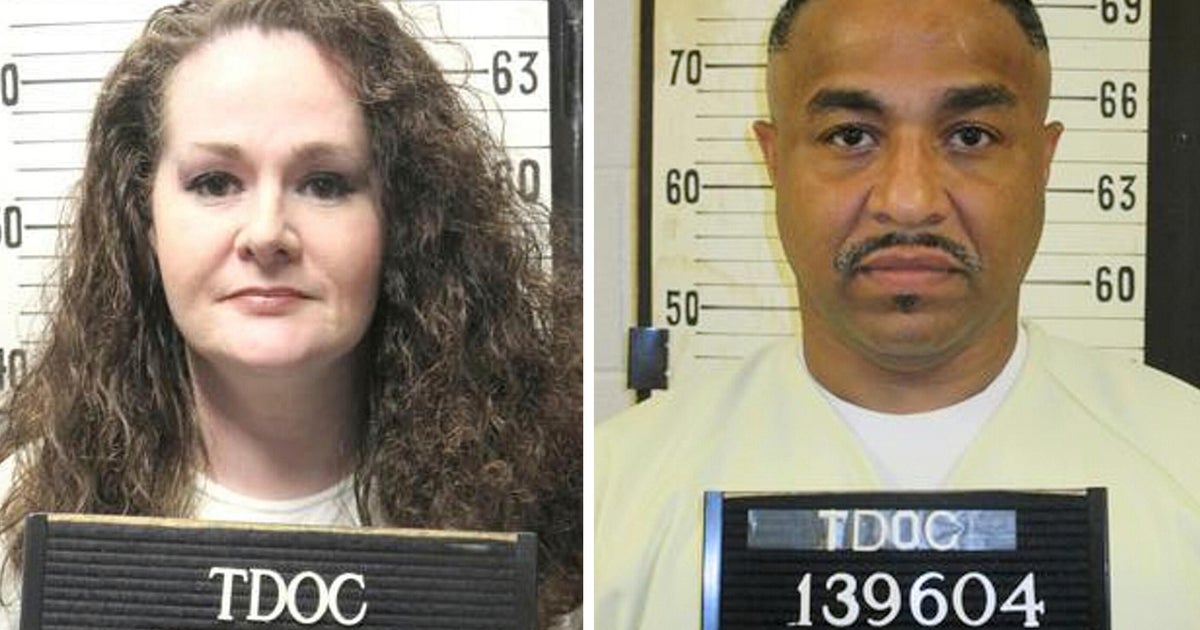
October 30, 2026 / 6:00 AM EDT / CBS News Add CBS News on Google Christa Pike's failed execution in September has raised fresh questions about Tennessee's lethal injection execution protocol, which is in its fourth iteration in the past two decades. Pike's was the second botched execution by Tennessee this year. She had been sentenced to death for her role in the 1995 torture and murder of her 19-year-old classmate, Colleen Slemmer.CBS News reviewed the state's lethal injection protocols going back to 2007 and found that over the years the protocols grew increasingly vague. Kit Thomas, the deputy chief of the capital habeas unit at the Federal Public Defender's Office in Nashville and a critic of the state's current protocols, told CBS News that the protocol has been reduced "both in length and in details." Thomas said she is most familiar with the protocols since 2018.Prior to 2025, the Tennessee lethal injection protocols were laid out in detail over 100 pages and included extensive protocols about the various execution teams, their roles and responsibilities, the drugs used, established practices around IV lines and administering the lethal drugs. But in the most recent version, released to the public early last year, there were only 44 pages to guide members of the execution team through the process. Thomas believes that the state's move to a shorter protocol has shielded officials from accountability if something went awry. "When there are fewer rules, there are just fewer ways for you to be penalized," she told CBS News. Some of the most significant changes made were to the protocols governing the intravenous team, including how that team should place catheters and what to do if they faced difficulties administering the drugs. Thomas said those steps are some of the most consequential to carrying out a lethal injection. The so-called IV team's primary role, according to past protocols, was establishing "properly functioning IV lines for administration of the lethal injection chemicals." Protocols also detailed the team's duties, and specified how to ensure the IV equipment was in working order and that IV lines were flowing properly. In the 2025 protocol, only one line is given to describe the primary role of the IV team, saying "the IV Team is responsible for establishing properly functioning IV lines for administration of the LIC [lethal injection chemicals]." Earlier versions also laid out monthly training requirements for teams, including establishing an IV line using a volunteer playing the role of a condemned inmate. This training was changed in 2025, eliminating the requirement to practice establishing an IV line.In both of Tennessee's botched executions this year, members of the execution team had trouble establishing an IV line. Tony Carruthers was first set to be executed in May. But after more than an hour of execution team members trying and failing to establish an IV line, Gov. Bill Lee granted him a one-year reprieve. Booking photos of Christa Pike and Tony Carruthers, who were both sentenced to death in Tennessee but survived botched lethal injections. Tennessee Department of Correction via AP According to Randy Spivey, one of the lawyers for Christa Pike, execution team members in her case tried to establish an IV line for an hour, using several needles. Once the drugs were pushed through the IV line, Pike complained of pain in her arm and the feeling that her vein was about to "bust." She was given two doses of the lethal drug. When the second dose failed, the process was stopped and she received medical care. The Department of Corrections issued a statement following Pike's failed execution saying they "followed every step of the State's lawful, established execution protocol."But in a lawsuit filed last year, Thomas and several death row inmates claimed that a "culture of noncompliance" at the Tennessee Department of Corrections "creates a high risk that a person receiving a lethal injection administered by [the agency] will be tortured to death." She believes the botched attempts were "not just predictable but actually predicted … allegations [that] are coming to fruition not just once this year but twice."CBS News has reached out to the Tennessee Department of Corrections for comment.After Pike survived her injections, Lee postponed the state's next scheduled execution and called for a review of the protocol. Pike was hospitalized for several days before recovering enough to be returned to prison.This is not the first time that Lee has had to pause executions and call for an independent review. An independent review was conducted in 2022 after authorities found an oversight in the testing of the lethal injection chemicals used in the execution of Oscar Smith. The review found that the Department of Corrections "showed the absence of adequate expertise, guidance, and counsel either enlisted by or provided to TDOC in connection with Tennessee's lethal injection process."But Thomas believes that the issues plaguing the state are systemic and not easily fixed with just another revamped protocol. "Two people survived their trips to the execution [chamber]," she told CBS News. "That is not normal." In: Death Penalty Tennessee Execution Doctor and medical ethicist unpacks Christa Pike's botched execution 04:39 Doctor and medical ethicist unpacks Christa Pike's botched execution (04:39)
Botched executions came after changes to state protocol
Full Article
Original Source
Read the full article at Cbsnews →KhanList aggregates and links to publicly available news content. We do not host full articles from third-party sources. Always verify important information with original sources.