
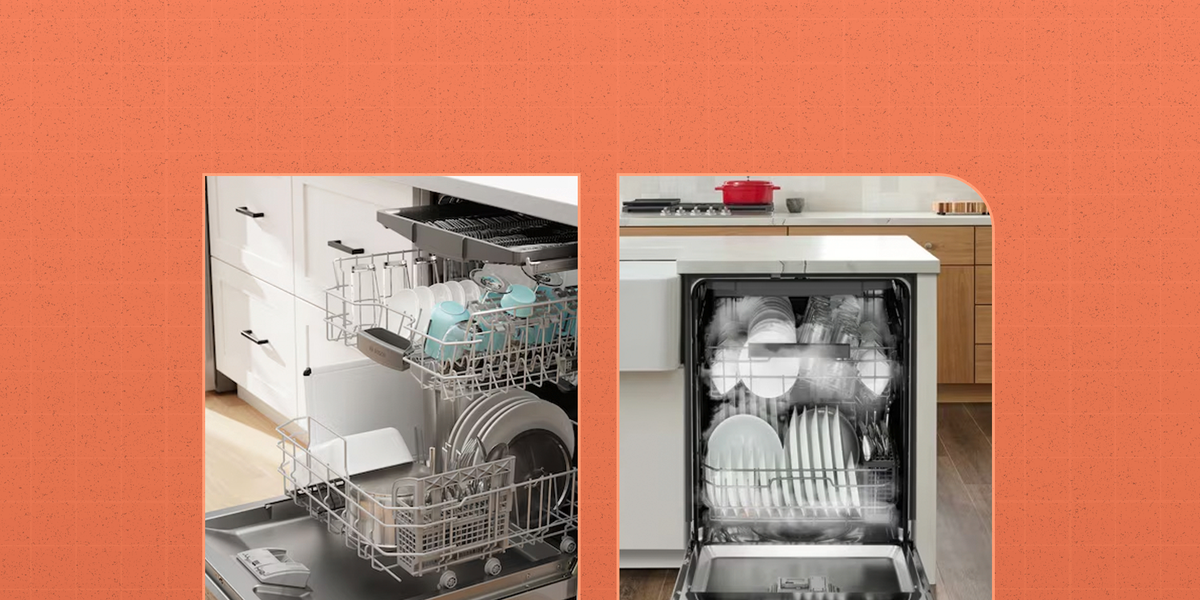
6 min readA dishwasher is an appliance you buy and ideally live with for a decade or more, so it’s important to get the decision right. Bosch and LG both sit near the top of almost every best dishwashers list, and both will leave your dishes clean without causing too much noise. Additionally, most machines from these brands feature a third rack, a stainless tub, and an app that lets you start and monitor a cycle from your phone.However, as a customer, you’re likely looking for the best brand that’s worthy of a significant financial investment. To keep this comparison fair, I matched two similarly sized and similarly priced models: the Bosch 300 Series SHS43CF5N and the LG LDNFC33LS. Both are 24-inch built-ins that run under 50 decibels, hold 16 place settings, and clean well enough to earn a spot in most kitchens.You can spend less on a budget dishwasher if you’re watching costs, but these two hit the sweet spot of price and performance, delivering the features that matter without crossing too far over $1,000. Where they differ is in how they dry your dishes, their control layout, and how flexible they are for loading dishes. Here’s how the two stack up, and which one is worth investing in—depending on what matters most to you.ProsThird-rack plus fold-down tines flatten to fit pots, bowls, and larger bakewareAquaStop leak protection shuts off the water supply at the source if it senses a leakConsDries by condensation, so lightweight plastic can come out dampKey SpecsNumber of cycles8 (5 on panel, 3 via app)Third rackYesTub materialStainless steelNoise48 dBAWi-Fi connectivityYesWarranty1 yearLoading and Everyday UseBoth the Bosch and the LG are evenly matched in capacity and hold 16 place settings, enough for a large family’s dishes or the cleanup after a holiday party. Each also has a third rack along the top for flatware and utensils, moving them out of the lower cutlery basket and freeing up the lower rack for pots and bowls. For most kitchens, neither runs short on room.The dishwashers both have nearly identical rack flexibility, too, allowing you to adjust the upper rack for taller items and even remove the top rack when you need extra height. The one difference is the Bosch has fold-down tines, which flatten a section of the racks to fit pots, mixing bowls, or odd-shaped cookware.It’s a notable advantage if you regularly need to wash large dishes or bakeware. That said, I have fold-down tines in my own kitchen and use them only a few times a year, so I wouldn’t consider the feature to be a deal breaker one way or the other.The two differ a little on cycles, though not in a way that matters much day to day. Both have five on the control panel, and you can add more cycles to each one through their respective apps. Overall, though, the differences are minor, since both cover what a typical household uses, including a standard cycle, a heavy setting for pots, an auto cycle that adjusts to the load, and a quick wash.ProsSteamAssist loosens baked-on food before the main washAutoVent Dry pops the door open, so plastics come out drierConsHas a weaker leak detection system than the Bosch, and has no fold-down tinesKey SpecsNumber of cycles5 (plus downloadable cycles)Third rackYesTub materialStainless steelNoise48 dBAWi-Fi connectivityYesWarranty1 yearDesign, Noise, and InstallationDishwasher controls typically sit in one of two places: along the top edge of the door or across the front. The Bosch hides its controls on the top edge, so the front is a clean, unbroken panel. The catch is that when the door is closed, you can’t see how much time is left on the cycle unless you open the machine’s door or open Bosch’s Home Connect app.The LG puts its controls and an LED on the outside of the door, so it’s easy to see how much time is left at a glance. Although hidden controls do look tidier, in my experience you basically stop noticing front-mounted buttons within a week of living with the machine. That said, if you want the convenience of seeing how much time is left, the LG is the better option.Almost everything else is even. Both are standard 24-inch built-ins that sit flush with the cabinets. LG brands this as FlushFit, but Bosch is just as known for its clean, integrated fit, and neither one protrudes past the counter. Both have a fingerprint-resistant finish, and both run at the same 48 dBA, quiet enough to run during dinner or while watching a movie.Bosch offers AquaStop, a leak protection system that features sensors that automatically cut the water supply and activate the drain pump if it detects a leak. The LG relies on a smart float sensor that detects the presence of water and will automatically shut off the dishwasher. It’s a feature you hope to never need, but the Bosch has the more thorough safeguard against potential emergencies.Cleaning and DryingBoth dishwashers feature an automatic cycle that can sense how dirty each load is. Bosch uses what it calls a PrecisionWash system, a set of sensors and spray arms that scan the dishes throughout the cycle and target every item in the load. The LG uses its own soil sensor and three-arm spray system that adjusts cycle length and water use to match the load.The LG LDNFC33LS has a SteamAssist feature that loosens baked-on food before the main wash, which helps with casserole dishes and dried-on sauces that would otherwise need a soak. The Bosch has no steam option, so for stuck-on messes you rely on its hotter wash cycles and the sanitize setting. Both get dishes clean, but note that the LG model is ENERGY STAR-certified and uses less water overall compared to the Bosch.The Bosch 300 Series SHS43CF5N dries by condensation, which can sometimes leave plastic damp. A hot final rinse and a high-temp dry heat the dishes, and as they cool, moisture collects on the stainless tub walls and drains away. It’s a closed system with no fan, which dries glass and ceramic well because they hold heat, but plastic stays cooler and can come out damp. That means you may have to towel off storage containers before putting them away.Alternatively, LG promises to dry plastic better with its AutoVent Dry system. At the end of a cycle, it will automatically crack the door so humid air escapes and the load air-dries. With the stainless tub in combination with the steam cycle, plastic containers come out drier than they do in a sealed condensation system. If you run a lot of plastic through the wash, the LG comes out ahead.Smart FeaturesLike a lot of modern appliances, the Bosch and LG dishwashers connect to an app, allowing you to start or schedule a cycle from another room, get a notification the moment the load finishes, and check the time remaining. Importantly, if something with your dishwasher goes wrong, both apps can help diagnose the problem, so you can provide that information to support.In terms of overall app functionality, you can expect a similar daily experience but a much different user interface. Bosch has an app called Home Connect, and LG’s app is called ThinQ, and both handle the same core tasks.One important thing to note, though, is that if you already own multiple Bosch or LG appliances that tap into their respective apps, sticking with the same brand keeps everything under one login and one interface. That convenience can help sway your decision if you’re otherwise torn over which model is right for you.The Final VerdictIn the end, the Bosch 300 Series SHS43CF5N and the LG LDNFC33LS are fairly similar overall, though a few differences make them suited to different households.For most kitchens, if more advanced leak protection and flexible loading matter to you, go with the Bosch 300 Series. It has Bosch’s reliability reputation behind it, fold-down tines that handle larger cookware, and AquaStop leak protection. Both come with a one-year warranty, plus parts-only coverage, with each offering five years on the control board and racks. Bosch backs its tub against rust for life, while LG covers its direct-drive motor for 10 years.If drying plastic and energy use are your priorities, the LG is the better option. Its AutoVent Dry opens the door at the end of the cycle so storage containers come out drier than they do in the Bosch’s sealed condensation system, and SteamAssist cuts down on the pre-rinsing that stuck-on food usually requires. It’s also ENERGY STAR-certified (the Bosch is not), uses less water per cycle, and keeps a visible timer on the front of the door so you can check the cycle at a glance.Other Dishwashers We RecommendBrandon Russell is a freelance writer covering gear and technology. He started his journey as a news writer at a small newspaper and later began reviewing smartphones, movies, and video games. In his free time, he enjoys the slower, more intentional experience of using a 35mm film camera and making short videos about movies he grew up watching.
Bosch 300 Series vs. LG FlushFit: Which Dishwasher Is Best for Your Kitchen?
Full Article
Original Source
Read the full article at Popularmechanics →KhanList aggregates and links to publicly available news content. We do not host full articles from third-party sources. Always verify important information with original sources.