
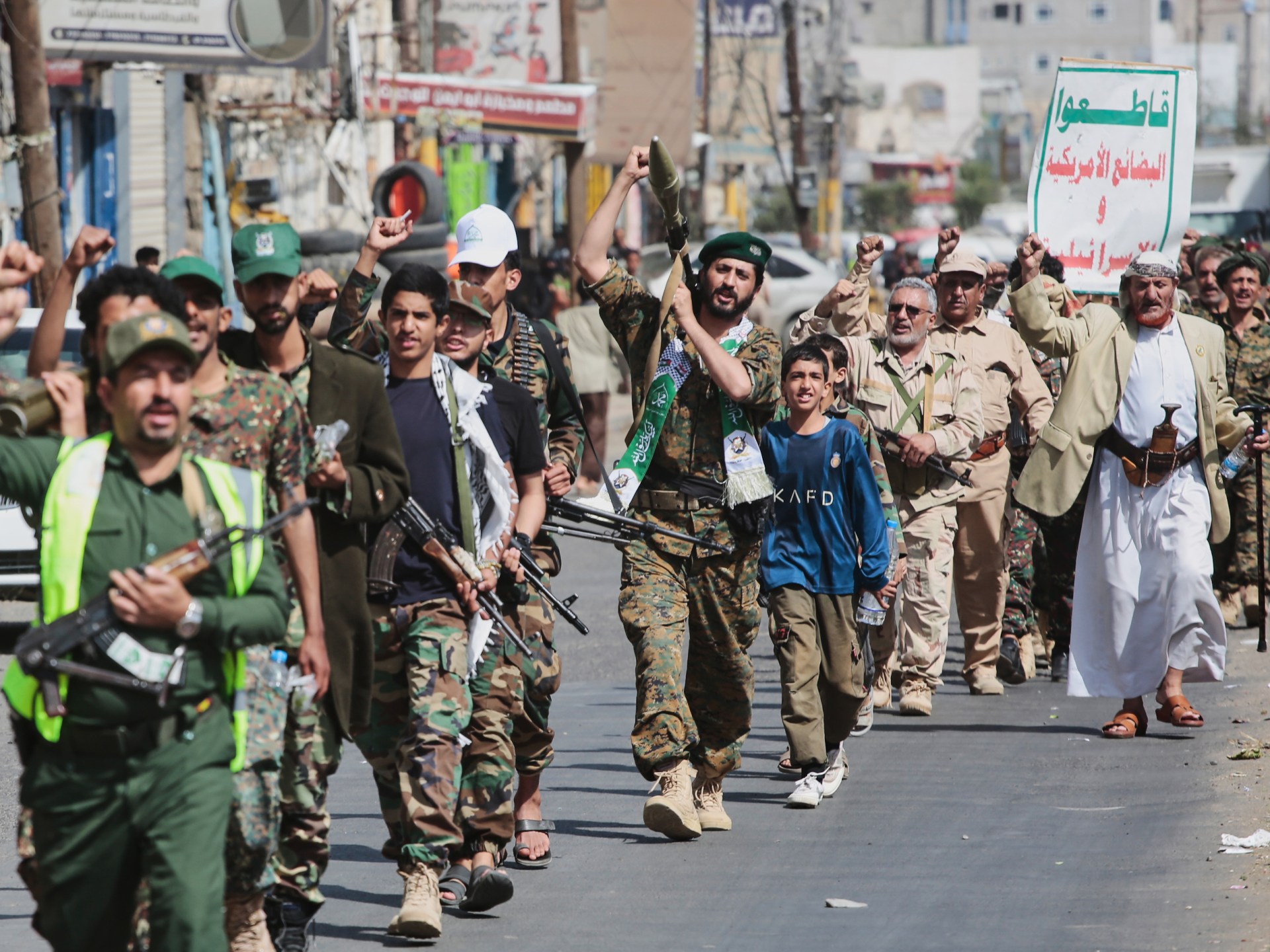
Nearly eight years ago, I warned about a generation of Yemeni children growing up under Houthi rule. At a time when some were still hoping that people in Saada, northern Yemen, would rise against the group, I questioned what would become of an entire generation raised under its control.Today, that warning carries a devastating weight. Children born under Houthi rule are now being recruited to fight. Schools and summer camps have been used for indoctrination and military training, exposing young people to recruitment when they should be receiving an education and building a future. These practices were documented by the United Nations Panel of Experts on Yemen and the US Department of Labor.A childhood consumed by fear cannot simply be restored when the guns fall silent. The damage reaches into education, livelihoods, relationships, and the ability to imagine a life beyond war. UNICEF describes the profound effects of disrupted schooling on children’s learning, emotional development, and mental health.This is why waiting for an uprising against the Houthis has never been a sufficient strategy. People living under coercion face consequences that distant observers do not. Silence under repression cannot be treated as consent, nor can survival be mistaken for allegiance.But the consequences of allowing Houthi power to grow extend far beyond the people living under its control. The recent attacks across Aden, Hadramout, Shabwa, and Saudi Arabia show how urgently international policy must confront this threat.In Aden, the October 15 attack on Maashiq Palace brought explosions and renewed fear to the seat of Yemen’s internationally recognised government. A subsequent reported attack on Aden’s airport on October 21 further underscored the vulnerability of a city whose residents need dependable access to transport and essential services.For the people of Aden, renewed bombardment carries the memory of earlier battles alongside the anxiety of what comes next. A population struggling to rebuild should not repeatedly be forced to organise daily life around the possibility of another missile.In Hadramout, reports on October 21 described strikes on Al-Rayyan International Airport in Mukalla, with no injuries initially reported. The AFP news agency also reported that a military base at the airport was hit. The presence of military facilities does not diminish the importance of protecting civilians and the infrastructure on which they depend. Airports connect people to medical treatment, employment, relatives, and the outside world.In Shabwa, the October 19 missile attack hit the Al-Alam training camp for security forces, causing mass casualties. The Reuters news agency reported dozens killed and more than 200 injured, citing the governor. The strike dealt a devastating blow to personnel responsible for maintaining local security, with losses felt far beyond the camp, in the communities mourning their dead and caring for the wounded.Across the border, attacks on Saudi airports have killed civilians and disrupted international travel. The October 10 strike on Riyadh’s King Khalid International Airport killed 13 people. Travellers of different nationalities have been exposed to a conflict they did not choose. The danger already extends beyond Yemen’s borders.Together, these attacks reveal the failure of an approach that has not sufficiently constrained Houthi capabilities. Diplomatic activity cannot be measured by meetings held or assurances received while missiles continue to reach cities, airports, and vital infrastructure.The record also demands clarity about the Houthis’ terrorist designations. Yemen’s National Defence Council designated the group a terrorist organisation in October 2022, and the United States designated it a Foreign Terrorist Organization, effective March 5, 2025. In my judgement, their documented conduct amply warrants those decisions.Other governments should take those designations and the evidence behind them seriously. Engagement must carry conditions, verification, and consequences. The Houthis signed a UN action plan in April 2022 to end grave violations against children, including recruitment. Subsequent reporting by Human Rights Watch documented continued child recruitment. Commitments must therefore be judged by their implementation, not merely by the signing of documents.Token penalties or political rewards for terrorism would set a dangerous precedent in international relations: Violence wins concessions, and armed coercion buys political power. Other armed groups could draw the same lesson, potentially including groups closer to home for the countries failing to act.A credible response must disrupt illicit weapons supplies and financing, strengthen civilian protection, defend maritime navigation, and impose targeted consequences on those directing and enabling abuses. Humanitarian assistance and legitimate commerce must remain protected. Civilians should never pay twice: First for Houthi repression, then for measures intended to confront it.Protecting the next generation also requires sustained investment in education, independent information, psychosocial care, and the reintegration of children released from armed groups. UNICEF’s child protection work in Yemen includes psychosocial support and reintegration assistance. Preventing recruitment means giving children and their communities a viable future.North and South Yemen face immediate dangers, and Saudi Arabia and international shipping have already felt the consequences. No government should assume that a threat left to grow will remain geographically contained.Nearly eight years after my warning, another generation cannot be asked to wait. The threat is established. International policy must finally match it.The views expressed in this article are the author’s own and do not necessarily reflect Al Jazeera’s editorial stance.
Born to be torn: A generation raised under Houthi rule in Yemen
Full Article
Original Source
Read the full article at Aljazeera →KhanList aggregates and links to publicly available news content. We do not host full articles from third-party sources. Always verify important information with original sources.