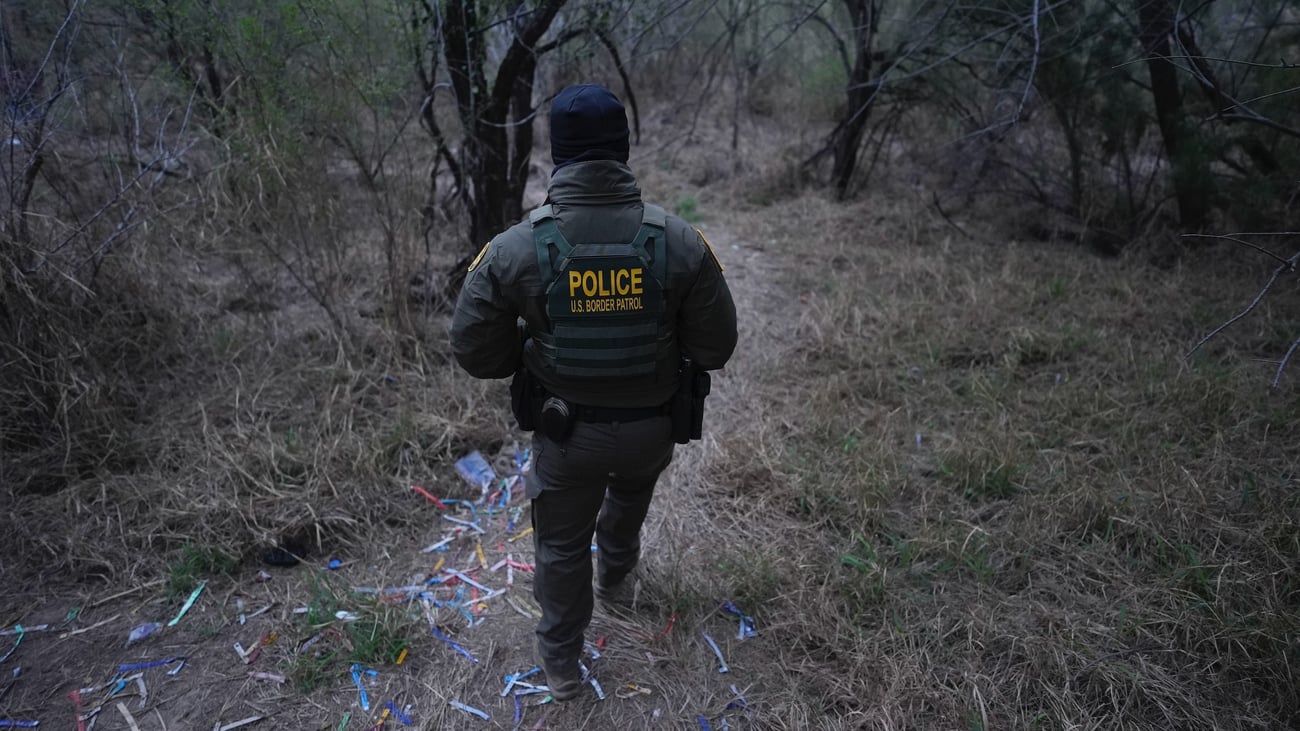
(CN) — A Ninth Circuit panel appeared unlikely on Wednesday to reverse the denial of qualified immunity to three Border Patrol agents who shot and killed an unarmed man on his front lawn in the Tohono O’odham Nation.The family of Raymond Mattia, killed in 2023, says the three-judge panel cannot rely on “an edited and untested, incomplete and redacted body camera compilation” to challenge claims made in the lawsuit, which must be taken as fact at the motion to dismiss stage.“They’ve killed the only other witness that’s a non-law enforcement officer to the interaction,” plaintiff attorney Ryan Stitt said in a San Francisco courtroom. “That places the plaintiffs in an impossible position.”Representing the Border Patrol agents, DOJ attorney Sophia Shams argued that by relying on the video to draft a complaint, the Mattia estate already incorporated the video into its pleadings. The complaint itself makes no direct mention of the video, but Shams says the complaint is “essentially summarizing” the body cam footage the DOJ produced. The estate did not deny the claim.If the panel agrees to incorporate the video, Shams said it would be a “blatant contradiction,” to the claims made in the complaint.Border Patrol agents Scott Whitehouse, Dan Sifuentes and Ivan Torralva were investigating a report of gunshots in Menegers Dam Village, one mile north of the U.S.-Mexico border, when they approached Mattia’s home in May 2023. Accompanying them were Tohono O’odham police officers and 26 other agents.To the sound of strangers on his lawn, Mattia stepped outside carrying a sheathed hunting knife, and immediately “underhand tossed” it onto the ground when commanded to, according to the plaintiffs. When ordered to remove his other hand from his pocket, Mattia removed it while holding a black cell phone. Agents thought the cell phone was a gun and opened fire.Shams said the body cam footage tells a different story. She said Mattia put his hand into his pocket when not ordered to do so, dug around for an object and turned his body away from agents while stepping back.“Officers in this context are making split second judgments,” Shams said. “The Supreme Court has said we have to give breathing room in these contexts to officers making these decisions.”She added that Mattia threw the hunting knife high in the air so that it landed by officers’ feet, which caused more to draw their weapons out of fear.“Are you telling us the video shows that the toss was not underhand?” U.S. Circuit Judge Ana Isabel De Alba asked Shams.“What the video shows is that he throws the item toward the officers,” Shams answered.“Was it an underhanded toss?” the Joe Biden appointed judge asked.Four more times, shams refused to say whether the toss was underhand.“We’ve all seen the video,” fellow Biden appointee U.S. Circuit Judge Salvador Mendoza Jr. interjected.Shams insisted finally that her brief defines the action as a throw, and suggested that the panel could make its own determination if it pleases.“This is not showing me a blatant contradiction,” De Alba concluded, shaking her head.Whether he “tossed” or “threw” the knife is immaterial to whether Mattia presented a threat, Stitt countered.“To play devil’s advocate if he had dropped it at his feet, I think we would see the appellants say he still had access to it,” he said.Stitt, of the San Diego-based Stitt and Viu Trial Lawyers, said it doesn’t matter what different interpretations are made of the video because the video itself is an incomplete record.“It’s edited,” he said. “It’s a selection of clips from different feeds. It’s redacted in parts. At this stage, that body camera footage is not reliable.”Instead, he said the factual disputes must be subject to discovery, including a forensic examination of the entire, unredacted footage and depositions from the defendants and agents on the scene. Discovery is ongoing while the appeal pends before the Ninth Circuit.In denying the agents’ motion to dismiss, a lower court had granted standing to the Mattia family to sue the agents under precedent set by Bivens vs. Six Unknown Named Agents, in which the U.S. Supreme Court granted individuals the right to sue federal officials who have violated their Fourth Amendment rights, even where no specific statute allowing such a remedy.Shams said the lower court ran afoul of the high court’s warning not to extend a damages remedy to “new contexts,” materially different from Bivens.In Bivens, the Federal Bureau of Narcotics conducted an unlawful search and seizure during a routine investigation. Here, Border Patrol agents were cooperating with tribal law enforcement a mile from the border.Shams argued that those circumstances alone established entirely new context, and extending a damages remedy to it would interfere with and undermine both border security and federal-tribal relations.In her brief, she added that extending the remedy would undermine remedies already provided for by Customs and Border Protections’ grievance structure and method for investigating officer misconduct complaints.Stitt said the circumstances are no different than in Bivensbecause the agents weren’t engaged in border protection activities. Instead, they were engaged in routine investigation, same as the federal agents in Bivens.U.S. Circuit Judge Kenneth Lee, a Donald Trump appointee, also sat on the panel, which didn’t indicate when it will rule.Subscribe to our free newslettersOur weekly newsletter Closing Arguments offers the latest about ongoing trials, major litigation and rulings in courthouses around the U.S. and the world, while the monthly Under the Lights dishes the legal dirt from Hollywood, sports, Big Tech and the arts.Additional Reads
Border Patrol agents seek qualified immunity for killing unarmed Native American
Full Article
Original Source
Read the full article at Courthousenews →KhanList aggregates and links to publicly available news content. We do not host full articles from third-party sources. Always verify important information with original sources.