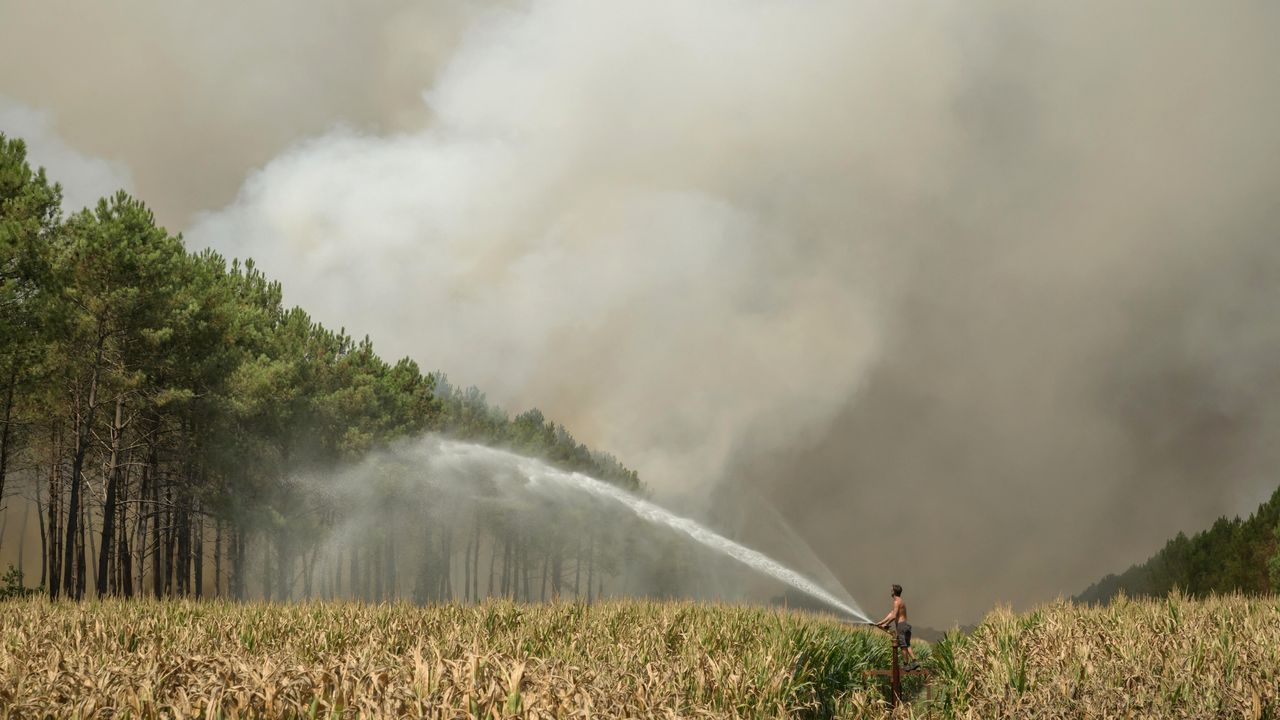
On July 22nd, news reports started circling of fires ripping up the Atlantic coast outside of the region of Bordeaux. Within three days, the skies over the storied wine region had turned an acrid orange. The current burn area is four times the size of the city of Paris, and over 220,000 people have been evacuated from the Western communes—France’s largest-ever peacetime evacuation.It’s only set to get worse. A fresh heatwave—104°F and climbing—is moving in, which could turn Bordeaux into a tinderbox and complicate efforts to battle the blaze.It’s an ecological and environmental tragedy, marked by loss of land, livelihood, and ecosystems. As fires continue to burn, winemakers and wine drinkers are wondering: What will the 2026 vintage look like? And will there even be one?A Region on FireThe present circumstance is borne from a confluence of problems. Spring was wet but summer has been bone dry, a situation exacerbated by repeat heatwaves. As a result, over the last week, the Bordeaux fires have spread to extreme levels—the worst French wildfire in over 70 years.French Prime Minister Sébastien Lecornu called the fire season unprecedented. Jerome Steffe, the mayor of the town of Cestas, just south of Bordeaux, called it the fire of the century.At the root of the problem is how heavily forested Bordeaux is. In the past, this has been an upside: the Landes forest, Southwest of the region, contributes deeply to the terroir of Bordeaux. Over the last few years, Bordeaux has undergone intense efforts to plant additional trees; this provides more shade for vineyards, which hypothetically could lessen the impact of rising temperatures on grapes. During a fire event, however, these factors have led to disaster. More trees mean more material to burn.The silver lining is that, at least for now, the grapes remain relatively unscathed. No vineyards have yet burned, and initial testing on smoke levels in vineyards showed negligible levels of damage.“The potential impact depends on several factors, including the proximity of the fire, the duration of smoke exposure, and the stage of grape development,” says Nick Briggs, the winemaker at Dutcher Crossing in Sonoma, a region that has navigated its own extreme fire situations over the past few years. Winemakers in California, British Columbia, and Oregon have by necessity become seasoned experts at mitigating the effects of wildfire and smoke; they have the potential to be valuable resources to colleagues in Europe, which until recently has not been forced to face such threats.“The compounds associated with smoke are highly volatile, so fires located closer to vineyards generally pose a greater risk than those farther away,” Briggs explains.The next week will be marked by concern, anxiety, and preparation. An incoming heatwave and shifting winds will edit the trajectory of the fires. Much rides on where they head next.Until then, the Bordelaise are stepping up and helping out in whatever way they can. Soufflet Vigne, the French agricultural supply and winemaking service company, ferried back and forth water tanks and pumps typically used for fermentation and production to provide water sources for firefighters.Bordeaux’s Chamber of Agriculture set up an online system that allows farmers to offer up their water tanks, trailers, tractors, and water access points—anything that might aid firefighters battling the flames.“There is clear solidarity from the industry. Both Smith Haut Lafitte and Rauzan-Ségla are among the many wine estates and agricultural companies that have lent equipment such as water tanks and pumps to assist the firefighters,” says Jane Anson, one of the world’s foremost Bordeaux journalists and author of the upcoming Bordeaux Chronicle.Smoke Taint Poses a Major ThreatWhile smoke taint risk is low at the moment, that could change in a heartbeat. Essentially, the future of the vintage of a collector-darling wine region is literally hanging on the way the prevailing winds blow.“Several factors influence this situation, including your distance from the smoke and whether you're downwind or upwind,” says Morgan Maurèze, a Bordeaux-bred winemaker who has worked with Château Haut-Brion, Château Petrus, Burgundy’s Domaine de la Romanée-Conti and now runs Napa’s Seven Apart.“Being upwind is ideal because the smoke is blown away from you,” he continues. “However, if you're downwind, the risk becomes severe, potentially ruining a year’s worth of work due to smoke taint.”When smoke lingers over a grape in that state, the volatile phenols will bind with the sugars in the grape skins, giving the fruit a smoky, sanguine, ashy taste. This is a problem when grapes enter the ripening phase known as veraison, which many of Bordeaux’s grapes are currently experiencing.Despite the increase in fires threatening wine regions globally, there remain no clear-cut ways to salvage a wine impacted by smoke taint. A winemaker could treat smoke-impacted wines with activated carbon, nanofiltration, untoasted oak chips or enzymes to help balance the wine, but none of these are hard-and-fast ways to remove the base note of over-barbecued brisket.“Very high levels make the wine extremely bitter and give it smells of ashtrays, burnt rubber, and plastics. There are very few things you can do to effectively combat smoke-tainted wine,” says Maurèze.Oregon State University has been researching barrier sprays, which can coat the grape and guard it against the smoke. The USDA is funding research on rapid detection tools, which can identify smoke-impacted wines.Addie Dearden, assistant winemaker at Sleeping Giants in Carneros, is unfortunately experienced in navigating wildfires events—Napa dealt with major fires in both 2017 and 2020. “Every time we have these smoke events, we toss everything in a bucket, do a quick fermentation, send it to the lab and you get a good perspective of what the grapes will go through and taste like.”If there are smoke issues, less time on skins, or less new oak can balance out the barbecue flavors. But that’s a problem in Bordeaux, a region that bets big on red wines aged in oak.It goes without saying that a lost harvest could spell financial disaster for Bordeaux, which was already experiencing drastic drops in wine sales and vineyard valuations as drinking habits continue to wane.Wine Regions as Climate BellwethersAll this comes to a head at a time when climate change has made viticulture unpredictable. Extreme heat, drought, hail and wildfires are rampant across the world, and fires are no longer just occasional tragedies. On top of worrying about making great wine, European producers will now have to mitigate against smoke taint, save their grapes from frost, and consider how to future-proof vineyards in a rapidly changing climate.Bordeaux is trying to rapidly adapt to a changing climate. In 2021, Bordeaux approved six new grape varieties, including heat-resistant Touriga Nacional and Marselan, in an effort to expand its ability to withstand climate change.Winemakers around the world are watching, eager to help. “We’re all just farmers trying to make sure our crop can make it to the end of its cycle,” Dearden says, who is following closely from California. “You spend all year making sure it’s perfect—all this time, attention, money, and energy. It’s heartbreaking. You want to make sure your neighbors are okay.”
Bordeaux Wildfires Threaten the 2026 Vintage
Full Article
Original Source
Read the full article at Bonappetit →KhanList aggregates and links to publicly available news content. We do not host full articles from third-party sources. Always verify important information with original sources.