
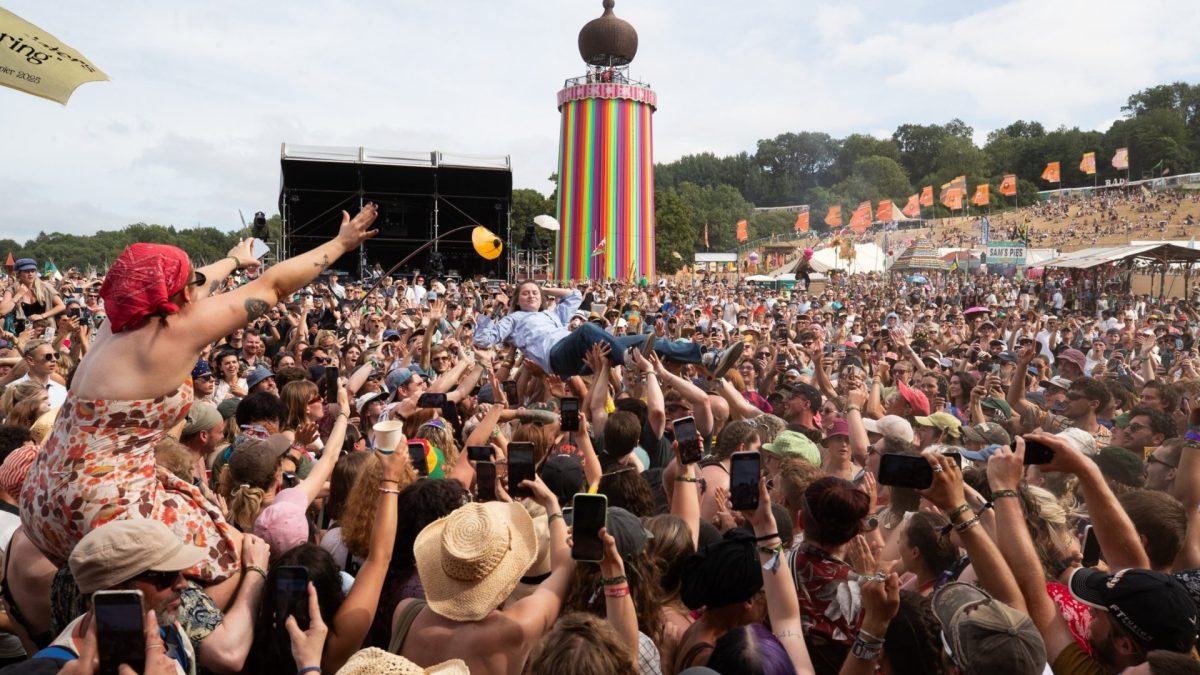
It’s that time again: millions entered the annual online lottery for the chance to spend five days in a Somerset field. Most failed to get Glastonbury tickets. The same happened with Oasis, another virtual queue and another reminder that, for all the clichés about streaming and phones, Britain is still a nation that wants to experience music live. It’s a seminal part of our cultural life and it’s at real risk because of a painful paradox. The appetite for gigs remains exceptionally strong, while the places where live music happens disappear before our eyes. London has lost hundreds of pubs, clubs and grassroots music venues over the past decade as soaring rents, business rates, staff costs, redevelopment and licensing pressures hollow out the night-time economy. Birmingham, one of Britain’s greatest musical cities, offers an equally stark warning. The Crown – the pub where Black Sabbath played their first gig in 1968 – has become a battleground between development and cultural heritage. If a famous venue cannot feel secure, what chance does an anonymous 200-capacity club nurturing tomorrow’s headliners have? This matters far beyond hospitality. Politicians rightly talk about housing, productivity and economic growth. But they should also think harder about what it means to be young in Britain. Going out is not simply entertainment. It is where friendships are forged and relationships begin. When out, we stumble into experiences that shape the rest of our lives. It is part of what makes growing up in Britain so special. Today, it’s also part of the growing list of ways in which we Boomers enjoyed a better deal.For us, buying a home was an achievable ambition, not a distant fantasy, leaving far more disposable income to enjoy life. Many young people can’t even afford to rent. Most of us graduated debt-free into a labour market offering stable jobs and clear progression. Today’s graduates accrue eye-watering debts only to enter a precarious world of temporary contracts, stagnant wages and brutally fierce career competition. Then there’s nightlife itself. Town centres were full of affordable pubs and clubs. Going out three nights a week was not extravagant. It was simply part of growing up – even in my much-maligned hometown, Croydon. Today, before you’ve even bought the ticket, there are train fares, dynamic pricing, inflated drinks prices and expensive journeys home. A night out can become a £200 decision. The Government cannot just shrug and leave this to market forces. The night-time economy is part of our culture every bit as much as libraries, galleries and theatres. Grassroots venues are not just businesses, they are laboratories where musicians learn to take risks and audiences discover the next big thing. Lose them and eventually you lose the festivals and tours everyone queues for today. Apple’s planned new Battersea live music venue is a serious investment – but from a giant corporation. New York’s famed Blue Note jazz venue opening in London is another sign that audiences still want the thrill of hearing musicians live. They are the exception. The queues for Glastonbury and Oasis prove Britain still has its love for live music. Ministers should recognise that passion for what it is: not just an economic opportunity, but a defining experience of growing up in this country. Unless they act to protect the places where those memories are made, we will remain a nation desperate to go out, with fewer places left to go. What then will our young people do?
Boomers had it so much better than young people – just ask Glastonbury fans
Full Article
Original Source
Read the full article at Inews →KhanList aggregates and links to publicly available news content. We do not host full articles from third-party sources. Always verify important information with original sources.