
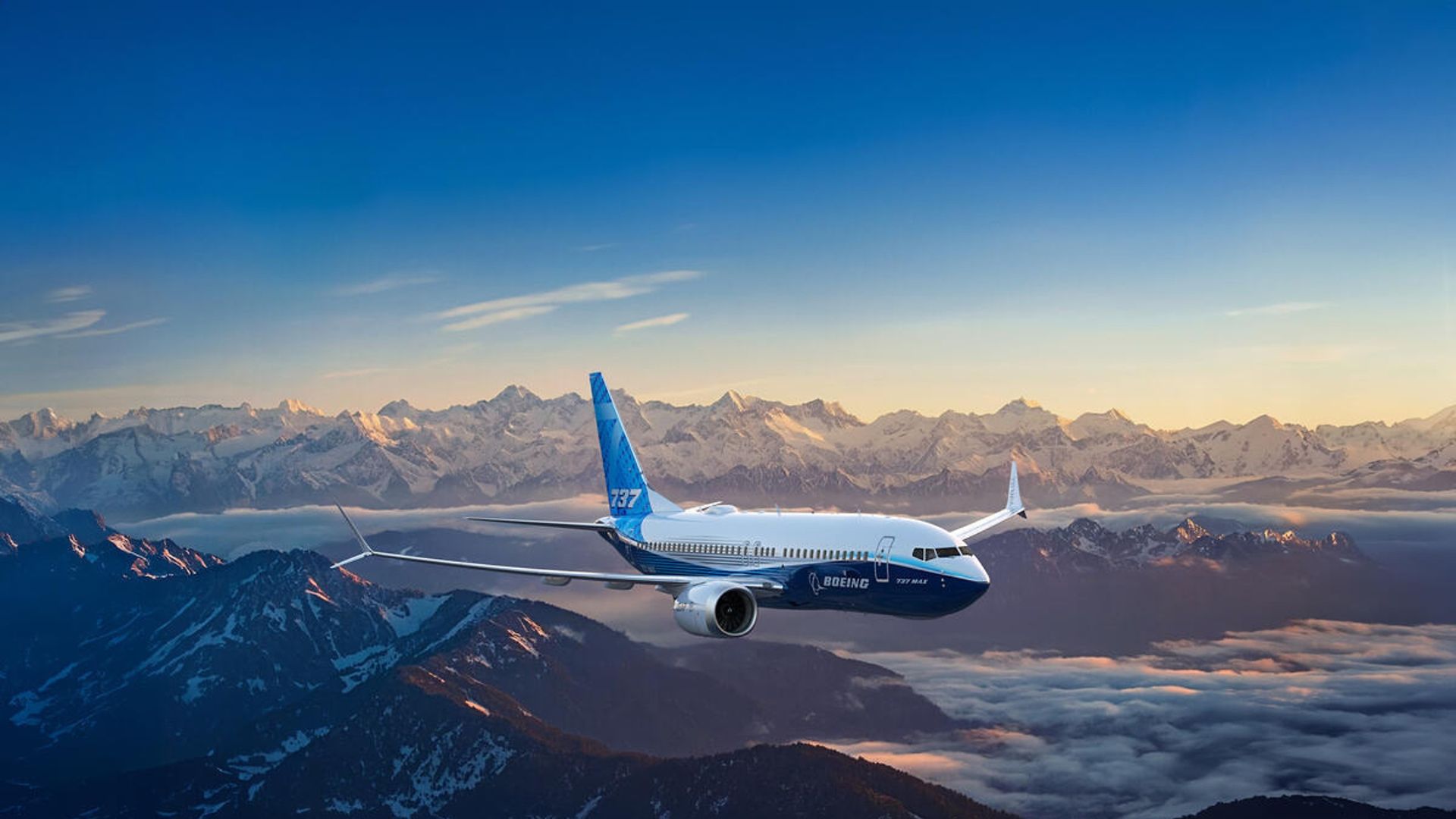
After years of development, thousands of test hours, and unprecedented regulatory scrutiny, Boeing’s smallest 737 MAX variant has finally crossed the finish line. On Monday, August 3, the Federal Aviation Administration (FAA) officially granted an amended type certificate for the Boeing 737-7, clearing the single-aisle jet for commercial service after nearly a decade of regulatory hurdles. The certification is important for the embattled aerospace giant. Yet, in a twist fitting for one of the most scrutinized aircraft development programs in history, passengers won’t be stepping aboard anytime soon. Launch customer Southwest Airlines has no immediate plans to schedule revenue flights with the model until at least 2027. “This important certification validates the rigor of our airplane’s design and recognizes the determination and resilience of our 737 MAX development team,” said Stephanie Pope, president and CEO of Boeing Commercial Airplanes FAA certification granted The 737-7 is built to be the versatile workhorse of the MAX family. Seating between 135 and 160 passengers in a standard two-class layout, it carries fewer people than its larger siblings — the 737-8, 737-9, and the yet-to-be-certified 737-10. What it loses in passenger seats, it gains in sheer distance. With a maximum range of 3,800 nautical miles (7,040 km), the -7 offers roughly 10 percent more range potential than other MAX variants. Like the rest of the 737 MAX fleet, it cuts fuel burn and carbon emissions by 20 percent while shrinking the noise footprint by half compared to legacy aircraft. Both the 737-8 and 737-9 are currently in active service. The mid-sized 737-8 carries 160 to 180 passengers across a range of up to 3,500 nautical miles (6,480 km), whereas the larger 737-9 accommodates 175 to 195 passengers with a maximum range of 3,300 nautical miles (6,110 km). Finally, the 737-10 stands as the largest variant in the lineup, designed to seat 185 to 210 passengers with a range of up to 3,100 nautical miles (5,740 km), and it is currently targeting certification in 2026. The road through safety scrutiny Getting the jet certified was anything but smooth. First flown in 2018, the test program faced years of compounding delays. The tragic grounding of the broader 737 MAX line in 2019 triggered an intense global audit of Boeing’s design philosophy. The Boeing 737 MAX crisis began when two fatal crashes occurred just months apart: Lion Air Flight 610 in October 2018 and Ethiopian Airlines Flight 302 in March 2019, claiming a combined total of 346 lives. Then came pandemic disruptions, followed by stringent new federal certification mandates. Engineers had to solve complex technical challenges along the way, including a complete redesign of the engine anti-ice system to prevent overheating conditions discovered during test flights. “With this certification program, Boeing has developed a clearer understanding of the latest regulatory requirements, which is expected to accelerate future airplane development with a renewed emphasis on human factors, safety and quality,” said Mike Sinnett, senior vice president of Product Strategy, Product Development and Development Programs. The focus now shifts to the factory floor. With Boeing‘s primary production certificate updated to include the -7, technicians are actively retrofitting pre-built jets into their final flight configurations. Reportedly, Southwest Airlines is expected to get around 300 jets. Meanwhile, Boeing turns its sights toward the largest member of the family: the 737-10. Company executives remain hopeful that lessons learned during the -7’s ordeal will clear a faster runway for the -10’s approval later this year.Recommended ArticlesGet the latest in engineering, tech, space & science - delivered daily to your inbox.Mrigakshi is a science journalist who enjoys writing about space exploration, biology, and technological innovations. Her work has been featured in well-known publications including Nature India, Supercluster, The Weather Channel and Astronomy magazine. If you have pitches in mind, please do not hesitate to email her.
Boeing’s 737-7 with 3,800-nautical-mile-range gets US nod for commercial service
Full Article
Original Source
Read the full article at Interestingengineering →KhanList aggregates and links to publicly available news content. We do not host full articles from third-party sources. Always verify important information with original sources.