
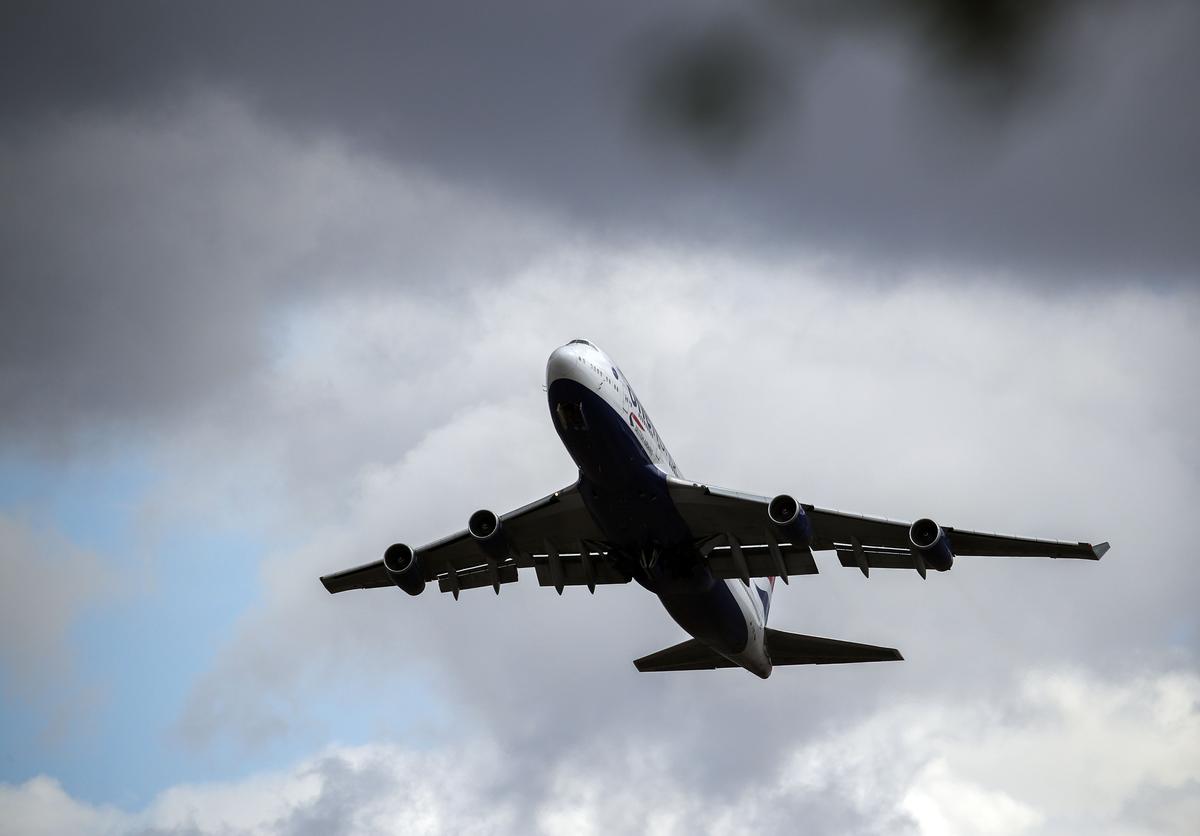
A Boeing 747 flying from London Heathrow to Hong Kong was forced to declare a ‘mayday’ after electrical failures led to false airspeed readings, causing the aircraft to plunge at more than 6,000ft a minute.The cargo plane, which left Heathrow on February 8, 2024, began suffering electrical problems almost immediately after take-off, according to an investigation by the Air Accidents Investigation Branch (AAIB).Investigators found that water had entered the aircraft before departure after a cargo door was left open during rain.The electrical failures also knocked out the heating system that prevents the aircraft's airspeed sensors from freezing.The crew initially declared a PAN – signalling an urgent issue – and began diverting the aircraft to Amsterdam's Schiphol Airport.But the situation became more serious when a pressurisation problem prompted the crew to initiate a descent through icy conditions. The aircraft's unheated speed sensors froze, causing all three airspeed indicators to incorrectly show that the plane was flying too slowly.With the autopilot still engaged, the aircraft responded to the false readings by pointing its nose down in an attempt to increase speed.The Boeing entered a steep descent, reaching 6,240ft per minute with its nose pitched 7.6 degrees downwards.The aircraft then emerged from the icy conditions and its correct speed readings returned, which allowed the autopilot to begin bringing the nose back up.However, the descent caused the Boeing to exceed its maximum permitted speed by 18 knots and a Mayday was declared. Read MoreDespite a further problem with the aircraft's flaps, the crew was able to land safely at Schiphol.The AAIB said the pilots had faced a "highly complex situation outside the scope of normal operations".Investigators traced the initial electrical failures to water reaching two electrical control units housed beneath the aircraft's cargo deck.The water caused power to be cut to two of the plane's electrical systems, triggering the series of failures experienced by the crew.Investigators found that water had entered the main cargo deck before take-off because a cargo door had been left open while it was raining. Sealant was also missing from a corner of a floor mat by the door.However, the AAIB was unable to determine exactly how the water travelled from the cargo deck to the electrical equipment below.The investigation identified a number of weaknesses in measures designed to protect the aircraft's electrical equipment from water.The AAIB has now issued four safety recommendations calling for more regular inspections of protective equipment, seals and waterproofing around the cargo floor and electrical systems on Boeing 747 freighters.The AAIB report stated: “The incident demonstrated the challenges posed by an unreliable airspeed situation when it is combined with multiple other failures. “The crew’s training, structured decision-making, and use of all available crew resources were likely significant factors in preventing a more serious outcome.”
Boeing flight from Heathrow issues mid-air 'mayday' alert after electrical issues
Full Article
Original Source
Read the full article at Standard →KhanList aggregates and links to publicly available news content. We do not host full articles from third-party sources. Always verify important information with original sources.