
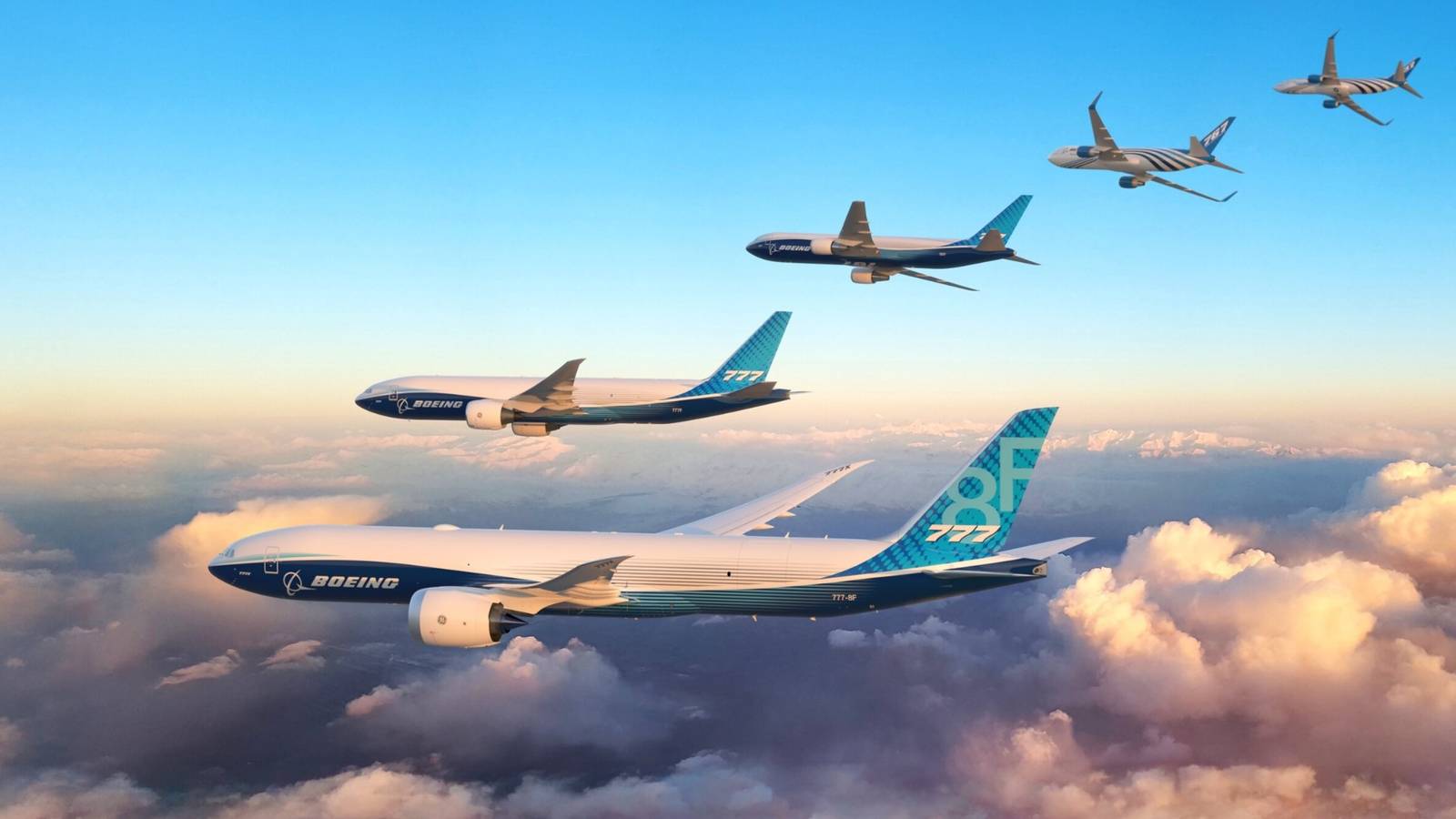
Published Oct 28, 2026, 2:16 PM EDT Louis is a military historian and the staff writer for History of War magazine, a leading military history monthly. He also has an interest in private and commercial aviation. Boeinghas delivered its 2026 World Air Cargo Forecast. It believes air cargo traffic will double over the coming two decades with the global cargo fleet set to reach 4,000 planes by 2045. Advanced manufacturing, ecommerce, and AI hardware, time-sensitive sectors, have driven this growth. Geopolitical disruptions have added further complexities. Yet, regulators are making it harder for the freight industry to meet this capacity gap through emission regulations that prevent the production of high-emission designs. Boeing has had to fight hard for a waiver allowing it to build an additional 35 Boeing 777 Freighters through to December 2030. Global Air Cargo Reached An Annual Record In 2025 Boeing has spotted this growth due to the exceptional 2025 experienced by the cargo industry. It grew almost 5% from 2024 to reach a record level. Simultaneously, the industry's networks have been forced into a higher degree of resilience by factors like the ongoing crisis in the Middle East and the War in Ukraine, which have required rerouting. The emergence of AI has been the primary driver of this growth. International Air Transport Association (IATA) data shows that over 70% of goods within the AI industry were transported by air in 2025. The result has been a sudden need for freight airlines to up their cargo capacity with new aircraft. Darren Hulst, Boeing vice president of Commercial Marketing, said: "Air cargo's adaptability and speed are strategic advantages enabling reliable transport, dynamic rerouting and critical support for evolving supply chains. As global trade patterns change and demand for time-sensitive, high-value goods grows, dedicated freighters will remain essential to global commerce." Boeing Expects That This Growth Will Continue Over The Next Two Decades From the increase in freight traffic in recent years, Boeing's 2026 World Air Cargo Forecast extrapolates continued growth in the years to come. It says that the worldwide fleet will grow by 67%, rising from 2,395 planes in 2025 to 4,010 planes in 2045. Dedicated freighters are expected to account for over half of global air traffic, compared with the freight that will be carried in the hulls of passenger aircraft. To support this growth, and replace outdated jets, airlines will need 2,930 new and converted freighters. 55% will add capacity, with two-thirds being freighter conversions of outdated passenger aircraft. Boeing's data also shows where the manufacturer expects we will see the most growth. It believes Asiawill sustain the 3.5% annual growth needed to reach over 4,000 jets in 19 years' time. By the end of this period, the continent should represent 60% of the global air freight market. The Freight Industry's Hunger For New Aircraft Must Be Satisfied By Cutting-Edge Jets Boeing predicts that 45% of freighters delivered over the next two decades won't add to capacity, but will replace outdated aircraft. Regulations enforced throughout the world now require Boeing to shift its production to the most cutting-edge freighters in its family, like the much-delayed Boeing 777-8F. The table below shows essential specifications for the 777-8F, using Boeing and Cirium data: Range with a 110-tonne payload 5,000 nautical miles Reduction in fuel use and CO2 emissions vs previous generation 30% Maximum takeoff weight 805,000 lb (365,000 kg) Wingspan (extended) 235 feet, 5 inches (71.8 m) Length 232 feet, 6 inches (70.9 m) Powerplant GE Aerospace GE9X Firm orders 84 The Federal Aviation Administration's regulations prevent the production of new jets that don't meet the emissions and fuel standards it sets. Any jets that don't make the grade will not receive an airworthiness certificate and cannot be sold. Prior to Boeing securing its partial waiver for the 777F, it would have had to stop further production after December 31, 2027. Regulations like these mean that manufacturers cannot simply churn out simpler, older and less efficient models to meet the capacity demand.
Boeing Expects Cargo Traffic To Double As Emissions Regulations Cut Freighter Options
Full Article
Original Source
Read the full article at Simpleflying →KhanList aggregates and links to publicly available news content. We do not host full articles from third-party sources. Always verify important information with original sources.