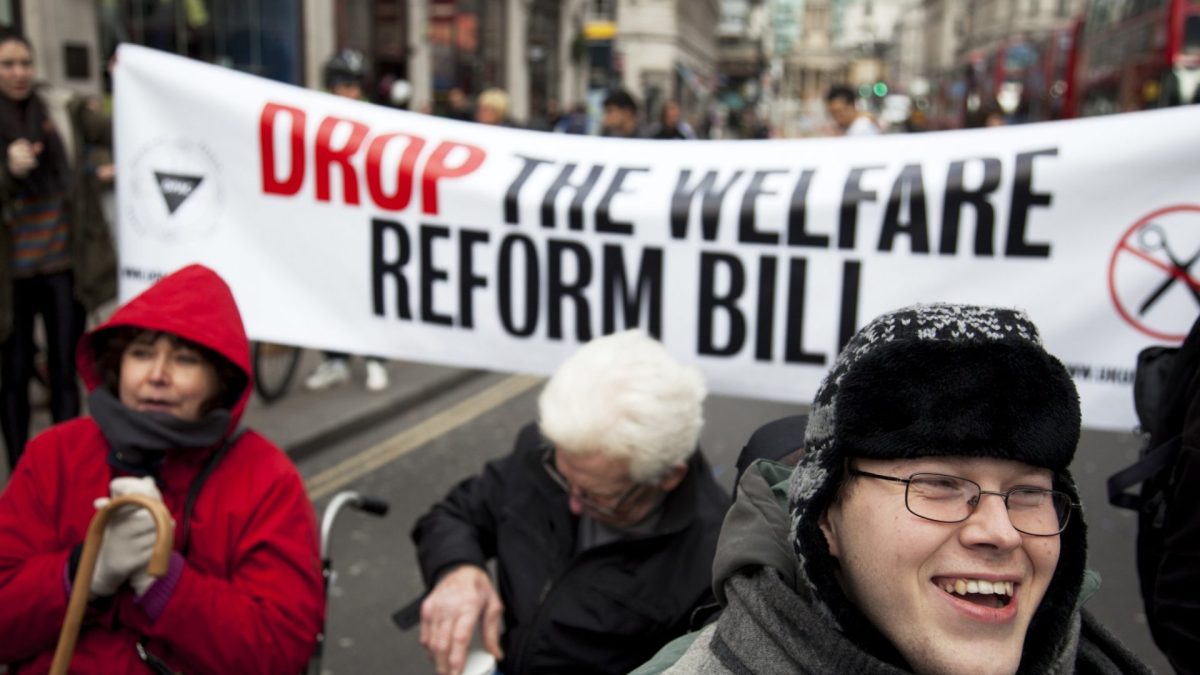
Andy Burnham is prepared to limit benefits for young people and attach work-related conditions to payments, his key ally, Labour grandee Lord Blunkett, has suggested. Blunkett, the Prime Minister’s political mentor and a Blair-era Cabinet member, said Burnham is “wholeheartedly” behind welfare reforms suggested in a wide-ranging review by youth unemployment tsar Alan Milburn, which are set to propose overhauling the system to get young people into work and drive down the benefits bill. Lord Blunkett said the decision to keep Pat McFadden as Work and Pensions Secretary – despite being an ally of Sir Keir Starmer – shows Burnham is committed to delivering Milburn’s proposals, and that he “recognises we cannot continue with a welfare bill” that keeps rising. Shorts McFadden has hinted that Milburn could recommend restricting access to benefits for 16 to 24-year-olds or attach new work-related conditions to their payments. ‘There will need to be difficult decisions’ The reforms are intended to curb the rise in welfare spending, which is already £333bn, accounting for around 10 per cent of GDP, and predicted to hit £400bn by the end of the decade, according to the Office for Budget Responsibility (OBR). Burnham previously told The i Paper he wanted to bring the welfare bill down by “rethinking the education system” and offering mental health and job support rather than by making “crude cuts”. But asked whether crude cuts are needed to bring down spiralling costs, Lord Blunkett said: “There’ll need to be very difficult decisions about entitlement. What is it you need, rather than do you need money?” Explaining that the prime minister is prepared to make difficult decisions, he said he will be “tough” on ministers who do not bring results, adding that McFadden kept his role despite being close to Starmer as he was “delivering”. Labour peer Lord Blunkett is Andy Burnham’s political mentor and a Blair-era Cabinet member (Photo: Nicola Tree/Getty) Asked what the decision to keep McFadden says about his intention on welfare reform, he said: “I think it’s twofold. It means he’s wholeheartedly behind Alan Milburn’s final pending report in early September. “I know that as part of the transition, he spoke to Alan Milburn and learnt of the outline proposals. I know that Pat McFadden is totally behind the agenda of getting those young people into training, into a job.” He continued: “I know as a corollary, which is the number two, that he recognises that we just cannot continue with a welfare bill that precludes us from being able to do the things that stop the welfare bill rising in the first place.” Support rather than cash payments Blunkett, himself a former work and pensions secretary, said giving people money rather than “the health provision they need” or helping them to get a job is “ridiculous”, adding that Burnham wants Labour to be “the Labour Party, not the welfare party”. He said there must be “decisions on what the threshold is [for] particular forms of illness”, which could mean mental health support or practical equipment rather than cash payments for those with “milder” illnesses or disabilities. The former Cabinet minister, who has been blind since birth, backed “conditionality” that requires benefits claimants to “make the effort” in return for getting the support to help them succeed in life. “That’s how I got on in life,” he said. “I could easily have just disappeared into the welfare system, but people said we see something in you. We’re going to we’re going to help you.” But campaigners have warned that tightening benefit conditions could backfire, with Tom Pollard, head of policy at the mental health charity Mind, saying it can be “counterproductive” by putting people off seeking work. Reforms do not reflect ‘the reality of people’s lives’ Pollard, a former Department for Work and Pensions (DWP) policy adviser, welcomed reform that brings better support to benefits claimants, but said that the notion that cash payments “trap people” in the system is “removed from the reality of people’s lives”. “The assumption that lowering benefits naturally increases people’s incentive to work, or that you can exchange benefits for support, and therefore people will move back to work, feels a little bit like a calculation on a bit of paper in Whitehall, rather than something that’s really embedded in the reality of people’s lives,” he said. McFadden, who was one of the only Starmerite Cabinet ministers to survive Burnham’s reshuffle, has tasked Milburn – a cabinet minister under Tony Blair – to investigate young people not in education, employment, or training (NEET), with his final recommendations due in the autumn. A DWP spokesperson said: “Tackling youth joblessness is a priority for this Government, and Alan Milburn’s work is central to that mission. “We’re already delivering the biggest youth employment reforms in a generation, backed by £2.5bn to create 500,000 opportunities for young people to earn and learn.”
Blunkett: Burnham is prepared to limit benefits for young people
Full Article
Original Source
Read the full article at Inews →KhanList aggregates and links to publicly available news content. We do not host full articles from third-party sources. Always verify important information with original sources.