
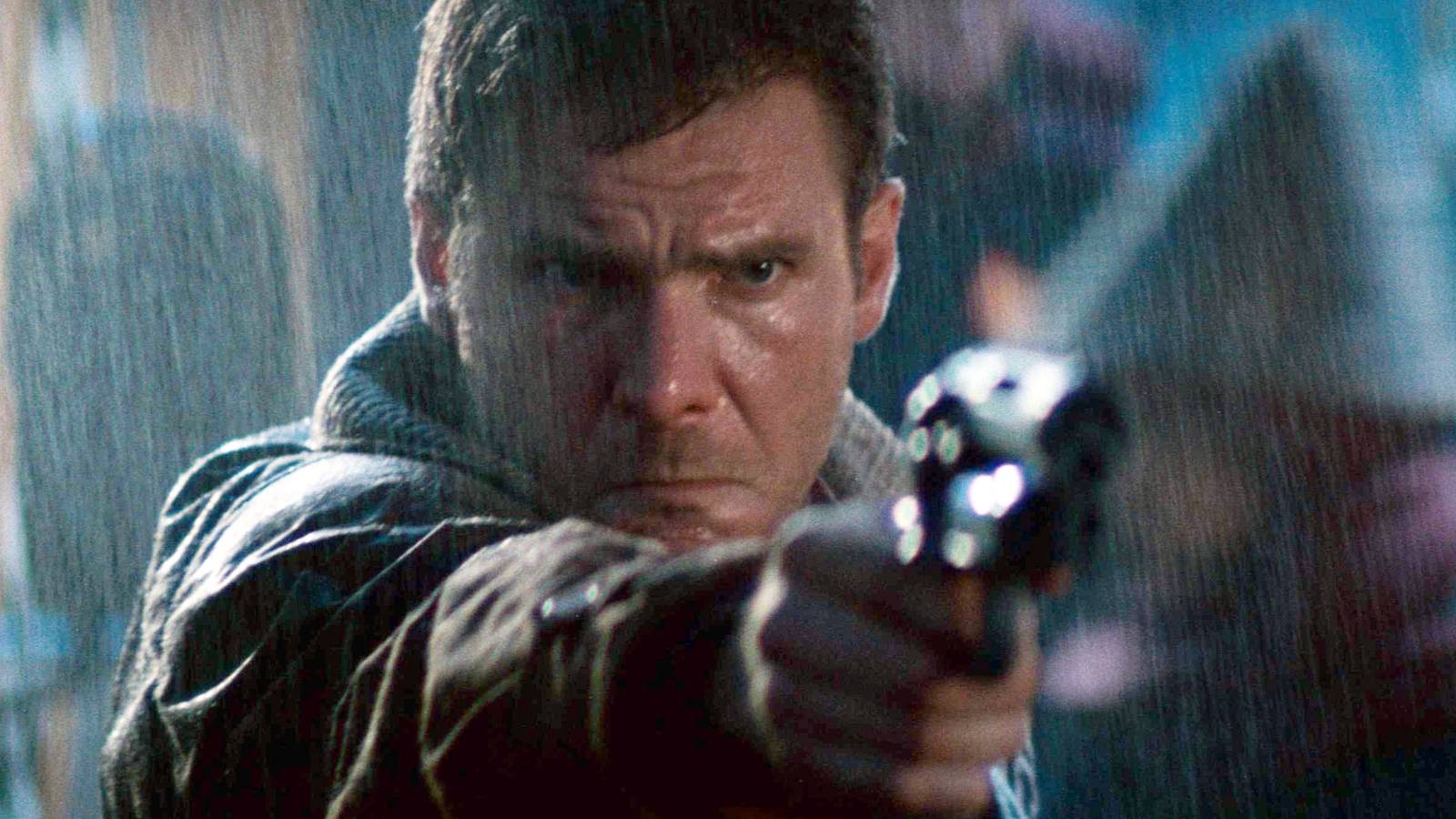
Published Sep 15, 2026, 8:00 PM EDT Anthony is a news reporter and a guide writer who has covered the entertainment industry for five years. He has covered a wide range of genres, including aviation incidents and international crime, and has a keen eye for details that may slip under the radar. When he's not writing, Anthony can be found at Brands Hatch race track or at home watching indie horror movies nobody has heard of. Ridley Scott's Blade Runner was released in 1982, and many fans would declare it a timeless sci-fi masterpiece. Harrison Ford stars as Deckard. He's a Blade Runner, working for a special police unit that hunts Replicants. Those Replicants are bioengineered artificial people who can pass for regular humans. However, their existence is illegal on Earth, and they have a short lifespan of just a few years. Deckard is tasked with eliminating several Replicants who escaped from an off-world colony. These Replicants are also special, as they are advanced Nexus-6 models and follow their leader, Roy Batty (Rutger Hauer). Blade Runner remains a classic more than four decades after its release for numerous reasons. The world-building is arguably among the best in the sci-fi genre. It's also fascinating to see how Ridley Scott envisioned 2019, the year Blade Runner is set in. Many characters in Blade Runner are deep, with complex motivations. The movie doesn't explain every minute detail, either, leaving some moments ambiguous or open to interpretation. J.F. Sebastian's (William Sanderson) death is one of those. It almost feels jarring that the character perishes off-screen, considering the graphic scene before it. While there isn't a definitive explanation of Sebastian's death, we can theorize why Batty kills him. It also arguably has great implications about Batty, making the Replicant an even more fascinating character. Roy Batty Killed Sebastian Because Of Tyrell Arguably one of the most shocking moments in Blade Runner is when Batty meets Tyrell face to face. Batty seeks out his creator, hoping he can extend his life beyond four years. Unfortunately for Batty, Tyrell explains he cannot give him what he desires. He also shuts down all of Batty's solutions, confirming his lifespan cannot be increased, and there's no way around it. Batty approaches Tyrell and puts his hands on either side of his face. Then, he squeezes and pushes his thumbs into his eyes, killing him. It's a powerful moment, as we realize how hopeless Batty's situation is. We understand his desperation, though it's less clear why he decides to also kill Sebastian. One explanation could be that Sebastian was a loose end after the murder, and leaving a living witness could prove problematic. There's also a case to be made that Batty eventually learns some sort of empathy as he comes to terms with his fate. However, we see this during his confrontation with Deckard in Blade Runner, and not before. The movie also explicitly calls Batty a combat unit, which could explain why he deemed it necessary to kill Sebastian. Another reason Batty may have killed Sebastian is his ties to Tyrell and his involvement in creating Replicants. Why Sebastian's Death Happened Off-Screen Considering Sebastian's importance to the story of Blade Runner, it's somewhat jarring that we don't see what happens to him. While his fate is left to interpretation, we know with absolute certainty that he died. Police radio chatter confirms this, with one call saying, "Body identified with Tyrell is a 25-year-old male Caucasian. Name: Sebastian, J.F. Sebastian." No explicit reason has been given as to why Sebastian dies off-screen. One theory is that Sebastian's demise would have been too graphic to show, though there is little evidence to support that. Tyrell met a grisly end at the hands of Batty, so it's clear that Blade Runner wasn't afraid to show a personal death scene. Another theory is that it was more impactful to have Sebastian's demise shrouded in mystery. It leaves us to ponder Batty's mental state after he killed Tyrell, and how he may have treated someone kind to him. Batty may have killed Sebastian quickly, but we have no way of knowing. Regardless, choosing not to show his death arguably doesn't take away from the movie, even if the omission is obvious. Killing Sebastian Changes Roy Batty's Story Batty is a fascinating character in Blade Runner. We understand some of his goals and motives, and we can even empathize with his desire to extend his life beyond four years. During the movie, we see his plan in motion and how he ultimately uses Sebastian to achieve his goal. Roy Batty's decision to kill Tyrell also makes a great deal of sense. He's visibly saddened and frustrated when Tyrell coldly explains it's impossible to extend his life. Tyrell also quickly points out flaws in Batty's suggestions, with no solutions. In Batty's eyes, it could appear that his maker failed him. His decision to kill Sebastian reveals so much, as, compared to Tyrell, he's an innocent bystander in many ways. Sebastian helps Pris and Batty reach Tyrell, and even welcomes them into his home. Sebastian's death arguably suggests that Batty is willing to kill innocent people if it serves his purposes. It also makes his actions when he encounters Deckard even more interesting, as that choice to spare his life was not really hinted at by his behavior beforehand. Release Date June 25, 1982 Runtime 118 minutes Director Ridley Scott 1982's Blade Runner is a sci-fi film set in the dystopian future Los Angeles. The story follows retired "blade runner" Rick Deckard, tasked with tracking down and terminating four fugitive replicants - human-appearing manmade automotons created to serve - seeking a means to extend their limited lifespans. Franchise(s) Blade Runner Main Genre Sci-Fi
Blade Runner: Why Roy Batty Killed Sebastian & Why It Only Happened Off-Screen
Full Article
Original Source
Read the full article at Screenrant →KhanList aggregates and links to publicly available news content. We do not host full articles from third-party sources. Always verify important information with original sources.