
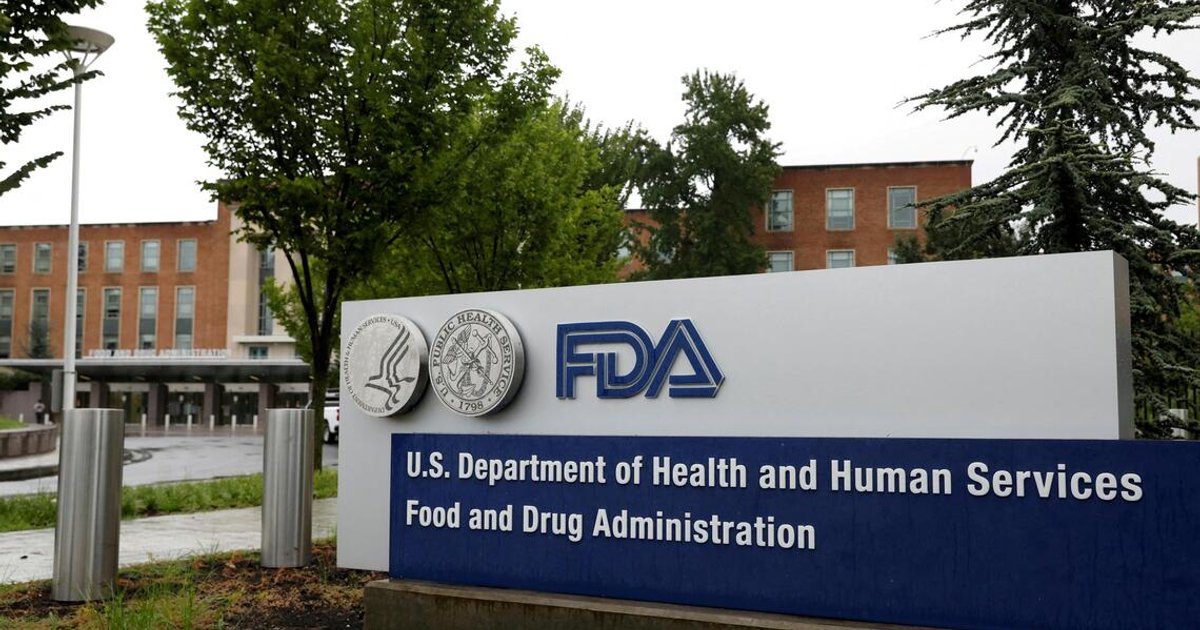
US inspectors documented egregious conditions at two Chinese factories making key components for compounded GLP-1 drugs popular in America, including black mould on equipment and “gross contamination” on floors at one plant. The inspectors caught employees trying to hide paperwork and furtively pouring out product samples at that plant and evidence of bogus documentation at the other, according to reports obtained under a Freedom of Information Act request. The two companies manufactured semaglutide and tirzepatide – the active ingredients in weight-loss blockbusters from Novo Nordisk and Eli Lilly & Co – for custom-made versions that are not approved for sale by regulators nor reviewed for safety or effectiveness.The Food and Drug Administration (FDA) put the companies on its import-alert list, meaning their products can be prevented from entering the US.So-called drug compounders have flooded the market with relatively cheap copies of hugely popular weight-loss medications, with China a major supplier of the active ingredients.The inspection findings “suggest a serious accident waiting to happen,” said Michael Rogers, a principal at Canal Row Advisors and a former associate commissioner for inspections and investigations at the FDA. One of the manufacturers, Chengdu Shengnuo Biopharm, is a subsidiary of Chengdu Shengnuo Biotec. It said in a regulatory filing in China that it has been “diligently implementing effective measures” to rectify the issues. ‘Insect activity’When FDA inspectors arrived at Chengdu Shengnuo in southwest China in August, they caught quality control staff running with documents from their lab to a room across the hall, where they stuffed the papers into lockers, according to the report.The inspectors said they were not able to recover all the documents and that they also saw personnel pouring product samples into sinks “in a seemingly coordinated effort.” In addition to the mould and filthy floors, inspectors noticed “significant insect activity” in ceilings. At Nanjing Chengong Pharmaceutical on China’s east coast, inspectors discovered in September that workers had been buying active ingredients made by other factories and slapping Nanjing Chengong’s seal of approval on them, according to a second report. Nanjing Chengong’s staff didn’t review the other factories’ testing information to confirm the products were safe, according to the report. Drug and active-ingredient makers that sell to the US market are supposed to test samples and retain supporting documentation for FDA inspectors. The companies didn’t respond to email requests for comment. Amphastar Pharmaceuticals, a specialty-drug company based in Rancho Cucamonga, California, holds an 11.5% minority ownership in Nanjing Hanxin Pharmaceutical Technology, said Dan Dischner, a spokesperson. Nanjing Chengong is a subsidiary of Nanjing Hanxin. Amphastar neither controls nor is actively involved in Nanjing Hanxin’s or its subsidiaries’ operations, Dischner said.Shortage overWhile brand-name and generic drugs receive FDA review and approval, compounded drugs do not. Inspectors make spot checks of suppliers of compounding facilities, which are required to purchase ingredients from FDA-registered manufacturers. Nanjing Chengong was last inspected in March 2025 and Chengdu Shengnuo in September 2023, according to agency records.Compounders are allowed to offer alternatives to patients who cannot tolerate brand-name medications, tweaking a formula by, say, removing inactive ingredients people are allergic to or creating different dosage forms. And if a drug falls into short supply – as semaglutide and tirzepatide did in 2022 – the compounding industry may step in.But they are no longer in shortage, and all compounders have not scaled down. Some operate under the theory that US law allows the sale of copycats if at least one additive is thrown in, such as vitamin B12. Compounding came under intense scrutiny almost 15 years ago when the New England Compounding Pharmacy sold contaminated drugs, including steroid shots for pain, that infected more than 700 people with meningitis, killing 64. The deaths prompted a congressional investigation and gave the FDA increased oversight of compounders. But the agency has struggled to maintain the resources to keep up with the task. A significant proportion of active ingredients in compounded GLP-1s come from China, according to an analysis from the Brookings Institution, a think tank in Washington, DC. Its 2025 report said Nanjing Hanxin, Nanjing Chengong’s parent company, was a large supplier.Plants in that country have often fallen short of US pharmaceutical-manufacturing standards, even as China has increasingly become an integral part of the generic market, providing active ingredients and raw materials to companies that finish and sell the lower-cost, FDA-approved versions of treatments. BLOOMBERG
Black mould, bugs found at Chinese plants making GLP-1 compounding agents
Full Article
Original Source
Read the full article at Straitstimes →KhanList aggregates and links to publicly available news content. We do not host full articles from third-party sources. Always verify important information with original sources.