
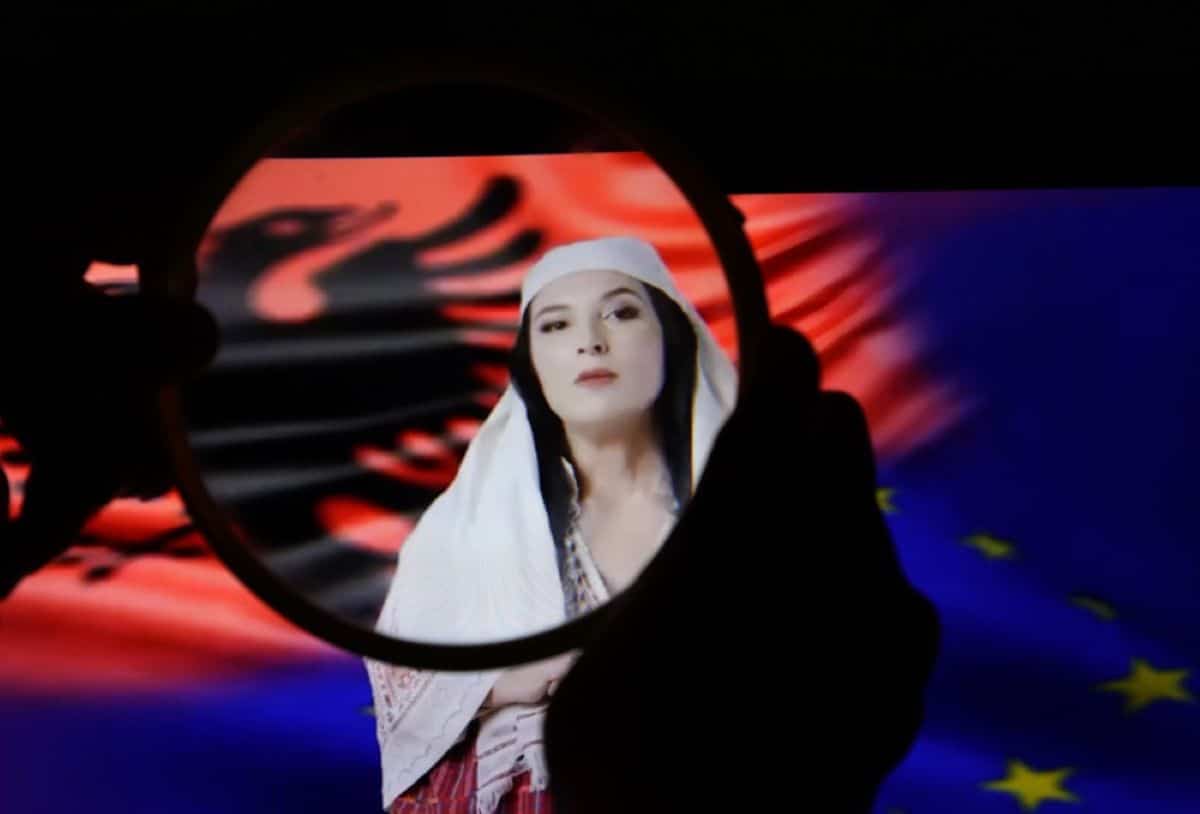
As part of its ambition to introduce digital systems into public policy, the government amended the Public Procurement Law in 2024 to include provisions allowing the use of AI in procurement processes. Advanced technology systems are intended to be used to help draft requirements at the pre-tender stage, support the dynamic purchasing system and digital auctions, operate the Digital Complaints System, and monitor contract implementation. Kashta, director of the Public Procurement Agency, said the law does now provide a legal basis for using AI in the procurement process. But experts believe these legal provisions do not provide a comprehensive framework capable of addressing all the challenges posed by the use of digital technologies. Meanwhile, a government strategy on the use of AI, and a new draft law on AI, which is still under consultation, have yet to be adopted. “These key horizontal [cross-sector] acts, beyond sector-specific legislation, should already be in force. Likewise, the institutions designated in the draft AI law should have clear powers and the capacity to implement them before we can effectively begin deploying AI in public procurement,” Brojka, the digital policy expert, said. According to her, this would ensure control mechanisms, independent monitoring, licensing and registration of AI systems. It would be done in line with categories established by law, algorithmic audits, as well as effective mechanisms for reporting violations of rights. But even the adoption of a new law would not resolve the security concerns surrounding the implementation of AI systems, because according to Brojka, the government’s ability to protect data remains inadequate. She said the Commissioner for the Right to Information and Protection of Personal Data has a “lack of capacity” to monitor private and public actors or various online platforms. “It would be an even greater challenge to ask the same institution to monitor data involving actors using AI, because that is not realistic,” she added. Brojka cited “multiple challenges” in applying AI systems to public policy and calls for the deployment of AI to go hand in hand with institutional accountability and transparency. These challenges include the lack of an analysis defining specific problems the technology is expected to solve, the quality of the data, and the Public Procurement Agency’s capacity to understand, train and monitor the models. She also stresses the need for clear methodologies for responsible use and auditing, emphasising that, regardless of AI assistance, responsibility for final decision-making in procurement must remain with humans. “All of these are challenges that the PPA still needs to address, and it appears that institutions do not yet fully understand this preparatory cycle. Instead, they seem to be driven by a political narrative that is far from the conditions that need to be met for the responsible use of AI.”. Brahaj, the head of the Institute of Science, also warns that implementation will take time and require monitoring. Equally important, she says, is how algorithms for evaluation, qualification and risk detection will be applied in tendering, and how prepared businesses are to compete and appeal decisions under conditions where AI is being used. Internal auditors and Albania’s Supreme Audit Institution, KLSH, as the external auditor, will also need to develop a new methodology. “Otherwise, this will remain a reform marked by failures, in which Albanian institutions will simply create a set of problems and defects that will serve as a laboratory for others to learn from,” Brahaj concluded. Diella sparks political and legal controversies Opposition MPs erupted in anger during a parliament session in September 2025 when Prime Minister Edi Rama presented a ‘speech’ by AI ‘minister’ Diella. “I’m not here to replace people, but to help them,” the AI entity – an avatar resembling a woman wearing traditional Albanian dress – ‘said’ in a video that was screened to the legislature. Opposition Democratic Party MP Gazment Bardhi raged that “the truth is that Edi Rama’s Diella is a propaganda fantasy. Corruption and organised crime are the reality.” In a separate controversy, the actor who voiced Diella in the bot’s previous existence as a digital assistant on the state’s e-Albania digital services portal, launched a legal case against state institutions because she said her image was used as the face of the public procurements ‘minister’ without proper permission. Actor Anila Bisha claimed that she only had a contract for her image to be used for the digital assistant, not for the new role. “I have nothing to do with Diella as minister and no one asked me about that,” she said. Bisha sought an immediate moratorium on the use of her voice and image, which a court rejected. On September 22, the court will start considering her case for a full ban on using her voice and image for Diella.
BIRN Reality Check: What Has Albania’s AI ‘Minister’ Achieved So Far?
Full Article
Original Source
Read the full article at Balkaninsight →KhanList aggregates and links to publicly available news content. We do not host full articles from third-party sources. Always verify important information with original sources.