
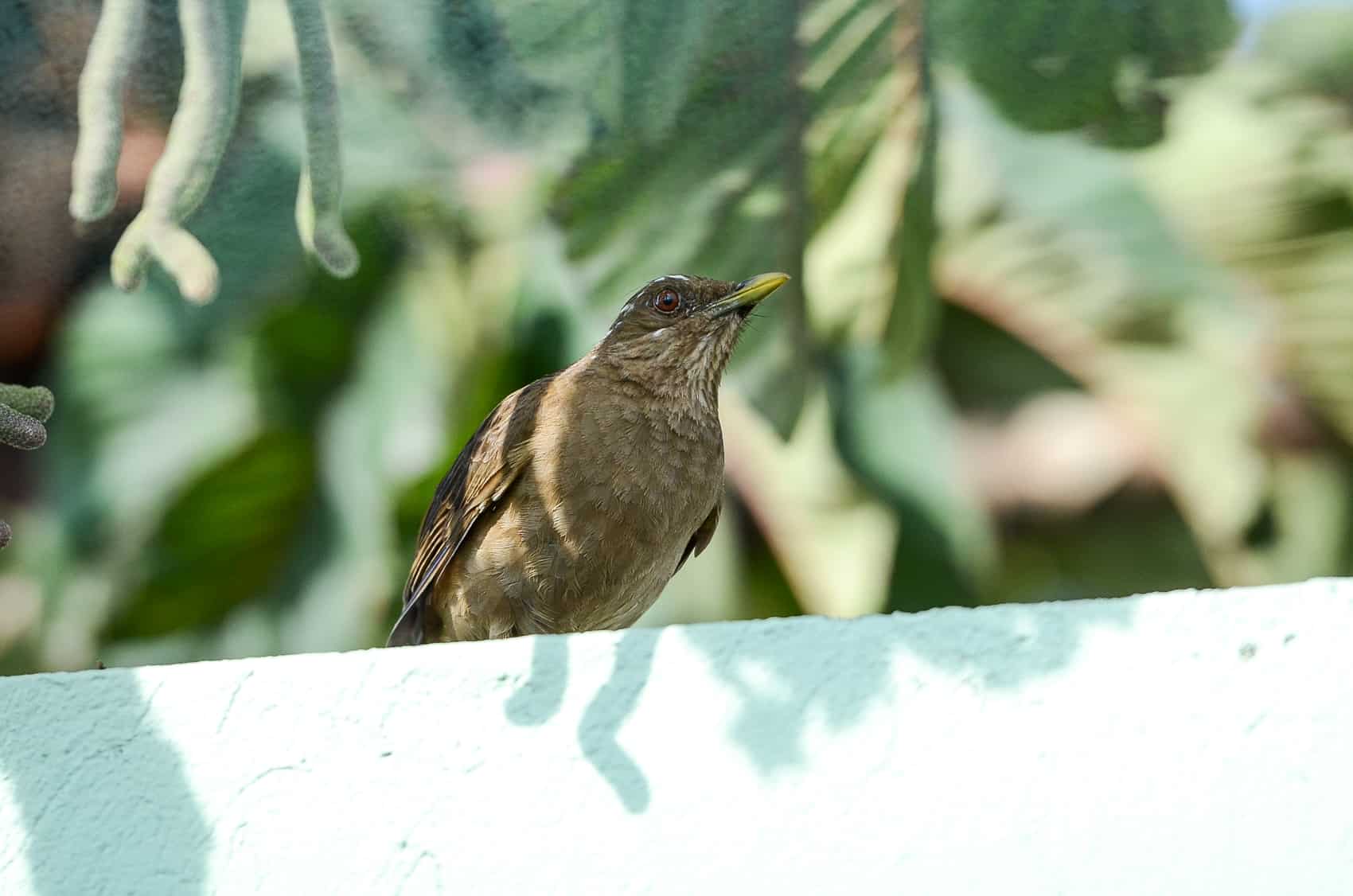
In nursing homes from Connecticut to Bavaria, caregivers have found an unlikely ally against loneliness, agitation and memory loss among older adults. It does not come in a pill bottle. It perches on a feeder outside the window. Bird watching is now being used deliberately as therapy for older people, and the results have been strong enough to draw researchers’ attention. In Costa Rica, which has more than 940 recorded bird species and a yigüirro singing in nearly every backyard, the same benefits are within reach of any family at almost no cost. One of the best-known programs, Bird Tales, began in Connecticut in 2011, when dementia care specialist and registered nurse Randy Griffin teamed up with Audubon educator Ken Elkins. Their sessions combine photographs, feathers and plush birds that play real bird calls with feeders installed outside care home windows. The four Connecticut nursing homes that piloted the program reported needing less medication to calm agitated residents. When the Bird Conservancy of the Rockies later brought Bird Tales to care facilities in the Denver suburbs, an activities director at one of them said residents stayed calm for hours after a session, even when they could not remember it had happened. The strongest evidence comes from Germany. Since 2017, the Bavarian bird protection society LBV has set up feeding stations in nursing homes across the state and given staff and residents the materials and guidance to look after them. Researchers at the Catholic University of Eichstätt-Ingolstadt followed 1,684 residents with varying degrees of impairment and published their findings in the Journal of Environmental Psychology in 2023. The team, led by psychologist Elisabeth Kals, reported that regular bird watching particularly supported residents’ cognitive abilities, mobility and social wellbeing. The LBV has since adapted the program for older people living at home, with training for relatives and volunteers. In Britain, a weekly dementia-friendly birdwatching group for people living with dementia and their carers meets at the RSPB’s Sandwell Valley nature reserve on the edge of Birmingham. Why does it work? Birds offer something new every day that still follows a predictable rhythm. They engage sight and sound, and they give people something to talk about. Perhaps most important, they hand people a small responsibility. Specialists in elder care have long warned that care settings can breed dependency and helplessness. Filling a feeder each morning is a modest task, but it is one that belongs to the resident. The Tico Times could find no structured program of this kind in Costa Rica’s hogares de ancianos, care homes, or in its day centers for older adults. Occasional activities show the interest is there, such as a November 2024 birding walk for older adults led by tourism students at the Costa Rica Institute of Technology’s San Carlos campus. But families caring for an older relative at home do not need to wait for an institution. Nearly everything required is already growing in the garden or sitting in the kitchen. Start with the right spot. Choose a window, porch or balcony where your relative already spends much of the day, ideally one facing a tree, hedge or patch of garden. Then put out fruit. A ripe banana, papaya or plantain peel set on a board, a flat stone or a fence post will draw blue-gray tanagers (viudas), kiskadees (pecho amarillos) and yigüirros within days. Skip bread, rice, salty leftovers and honey, which are poor food for birds. Replace the fruit every day so it does not spoil or attract rats. A shallow dish or old plate of water draws just as many visitors, and watching birds bathe is often the highlight of the day. Change the water daily, because standing water breeds the mosquitoes that spread dengue every rainy season. For hummingbirds, skip the store-bought feeder and plant flowers instead. Cuttings of rabo de gato, heliconia and other tubular flowers can usually be had free from a neighbor, and they root easily in Costa Rica’s climate. Flowers need no cleaning and give hummingbirds natural nectar. Technology helps too. The free Merlin Bird ID app from the Cornell Lab of Ornithology identifies birds from a photo, and its Sound ID feature recognizes many common species from a song picked up by a phone’s microphone. Download the Costa Rica bird pack and the field guide works offline. For someone with poor eyesight or who is confined to bed, recordings of familiar songs can stand in for the birds themselves, much as the singing plush birds do in Bird Tales. For many Costa Ricans, the song of the yigüirro, the national bird, whose singing traditionally announces the arrival of the rains, carries a lifetime of memories. The routine matters more than the equipment. Let your relative put out the fruit each morning, even if that only means handing a banana to a caregiver. Keep a notebook or calendar where they record the date and the birds they saw. Naming, counting and remembering are exercise for the mind. Grandchildren can send photos of the birds in their own yards. That turns a phone call into a conversation about who came to visit today rather than a review of aches and pains. A few cautions apply. Keep feeding spots away from places where cats can hide. Never trap or cage wild birds, which Costa Rica’s Wildlife Conservation Law prohibits and which defeats the purpose entirely. For anyone living with dementia, a safe chair and the same routine each day are part of the benefit. Repetition is not a problem to be solved. None of this replaces medical care, and families should keep working with doctors on any treatment plan. But in a country whose population is aging quickly, and where many families care for parents and grandparents at home, a banana on a fence post may be one of the most affordable tools available. The birds are already here. All they need is an audience.
Bird Watching Helps Older Adults Stay Sharp, and in Costa Rica It Costs Almost Nothing
Full Article
Original Source
Read the full article at Ticotimes →KhanList aggregates and links to publicly available news content. We do not host full articles from third-party sources. Always verify important information with original sources.