
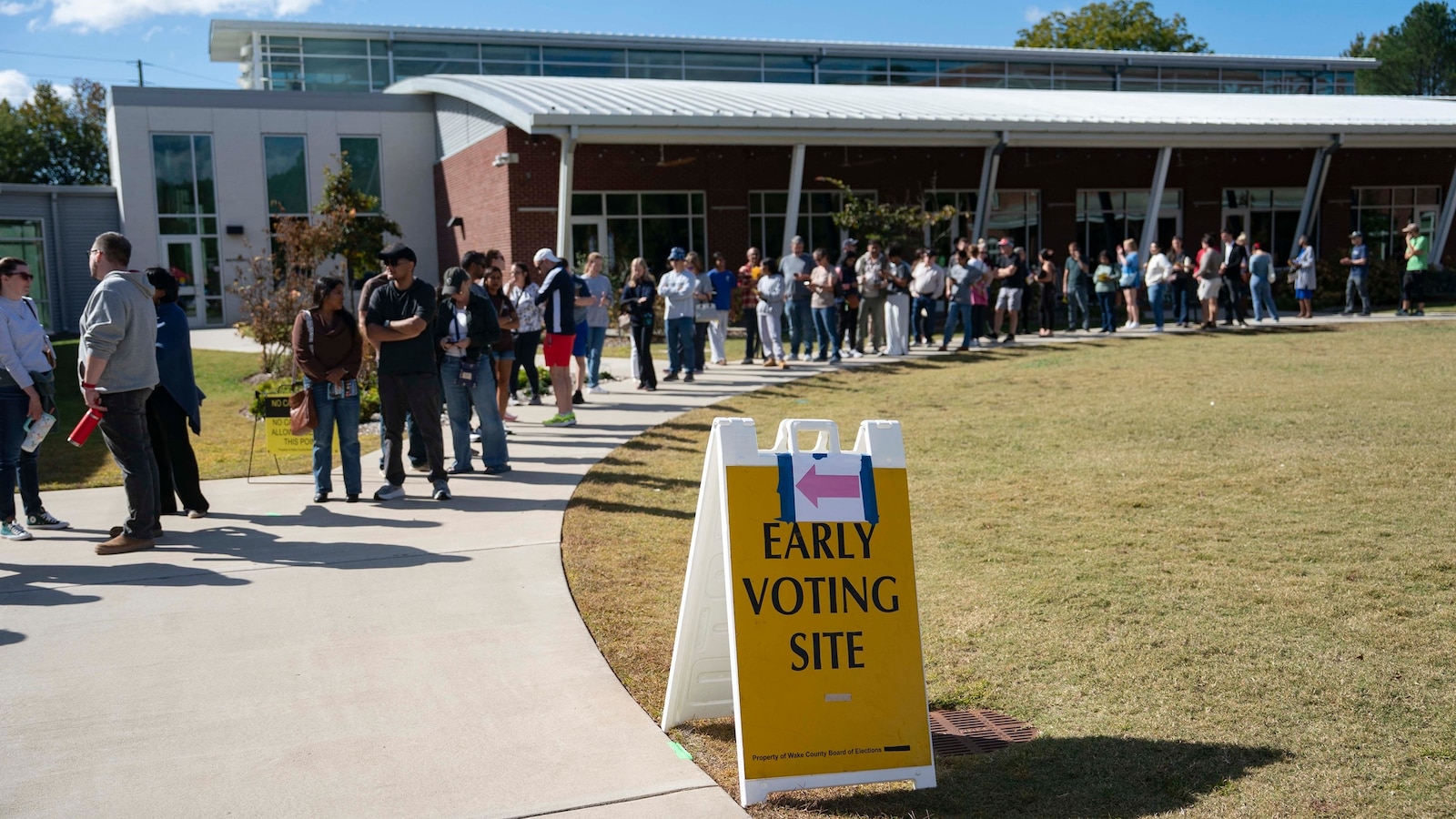
While the spotlight on the upcoming midterm elections has been on the balance of power in Congress, several states and cities around the country have ballot measures under consideration that could have ripple effects for years.From transgender rights to taxation on high earners, here are some of the major ballot proposals that voters will consider on Election Day.People wait in line to participate in early voting for the midterm elections, October 25, 2026 in Cary, North Carolina.Allison Joyce/AFP via Getty ImagesVoter accessVoters in 13 states have ballot initiatives that would affect voter access and rights.California, Colorado, Nevada, North Carolina and Arizona would impose voter identification laws under a ballot measure.States with voter access-related midterm ballot questionsABC NewsNevada voters passed their voter measure with 73% of the vote in 2024, however, the state constitution requires ballot measure approval in two consecutive elections to pass.Noncitizens are not eligible under federal law to vote in elections, but most states do not explicitly state this mandate in their constitutions or laws. Alaska, Arizona, South Dakota, Kansas, Arkansas and West Virginia have ballot measures that would mandate only U.S. citizens can vote in any elections administered in the state.Some Republican leaders have pushed back against noncitizens voting in elections, however, there are few proven cases of this taking place in previous elections. Primary voter Allie Davis carries her seven-week-old son Declan as a Dallas County Election Navigator checks her ID before entering a voting center in Dallas, March 3, 2026.Lm Otero/APTwo states have proposals that would expand voter access.In Massachusetts, voters will decided whether or not to implement same-day voter registration on Election Day. A ballot measure in Virginia would restore voting rights to some incarcerated citizens after they are released from prison.Gender and sex issuesThe debate over gender rights and transgender issues is on the ballot in several states.States with ballot propositions regarding sex-based sports eligibility and medical procedures for transgender minorsABC NewsIn four states -- Arizona, Colorado, Nebraska and Washington -- voters will decide on ballot measures that would prohibit participants from playing on teams that are different from their sex assigned at birth.People attend a "No Hate in WA State" rally against multiple initiatives on the November ballot, including Washington State Initiative 638, which would prohibit transgender girls from competing in girls' sports, Oct. 17, 2026, in Seattle.Lindsey Wasson/AP PhotoWashington's ballot measure would mandate students who compete on female sports teams provide healthcare documentation verifying their sex.Popular ReadsVoters in Colorado and Missouri are set to vote on measures that would prohibit minors from receiving gender transition surgeries or healthcare professionals from providing the surgeries.TaxationAs affordability and income inequality have become leading concerns among Americans, some states are seeking to address that through taxation.States with midterm ballot propositions regarding taxationABC NewsIn five states, California, Iowa, North Carolina, Colorado and Washington, voters will choose how their state's tax laws will change.California has four propositions related to taxation with Proposition 40 -- also known as the "billionaires' tax" -- being the one that has come under the most scrutiny. If that proposition passes, the state would levy a 5% tax on the wealth of California taxpayers and trusts with assets valued over $1 billion.People attend a Billionaire Tax Now rally, Feb. 18, 2026 in Los AngelesJason Armond/Los Angeles Times via Getty ImagesThe revenue would go to pay for state healthcare programs, food assistance programs and public education.Colorado's ballot proposal would remove the state's uniform tax rate requirement and replace it with a progressive tax that would levy different levels of tax based on income levels.State taxpayers who make less than $25,000 annually would be taxed 3.7% and those percentage levels would rise with the maximum being 8.4% levied on anyone earning more than $1 million annually.Washington state voters will decide whether or not to repeal its 9.9% tax on taxpayers who make over $1 million annually.Reproductive rightsStates continue to grapple with the aftermath of the U.S. Supreme Court's 2022 decision to overturn Roe v. Wade, which eliminated the constitutional right to an abortion, leaving laws and regulations around it up to individual states.States with ballot propositions regarding reproductive rightsABC NewsIn this year's election, voters in four states will decide on reproductive laws.Virginia, Idaho and Nevada would enshrine laws that would give people the right to make their own reproductive rights decisions and privacy over those decisions.Voters in Missouri are voting to repeal a 2024 initiative that enshrined a constitutional right for reproductive freedom.
Billionaire tax, transgender rights, voter access among key midterm ballot measures
Full Article
Original Source
Read the full article at Abcnews →KhanList aggregates and links to publicly available news content. We do not host full articles from third-party sources. Always verify important information with original sources.