
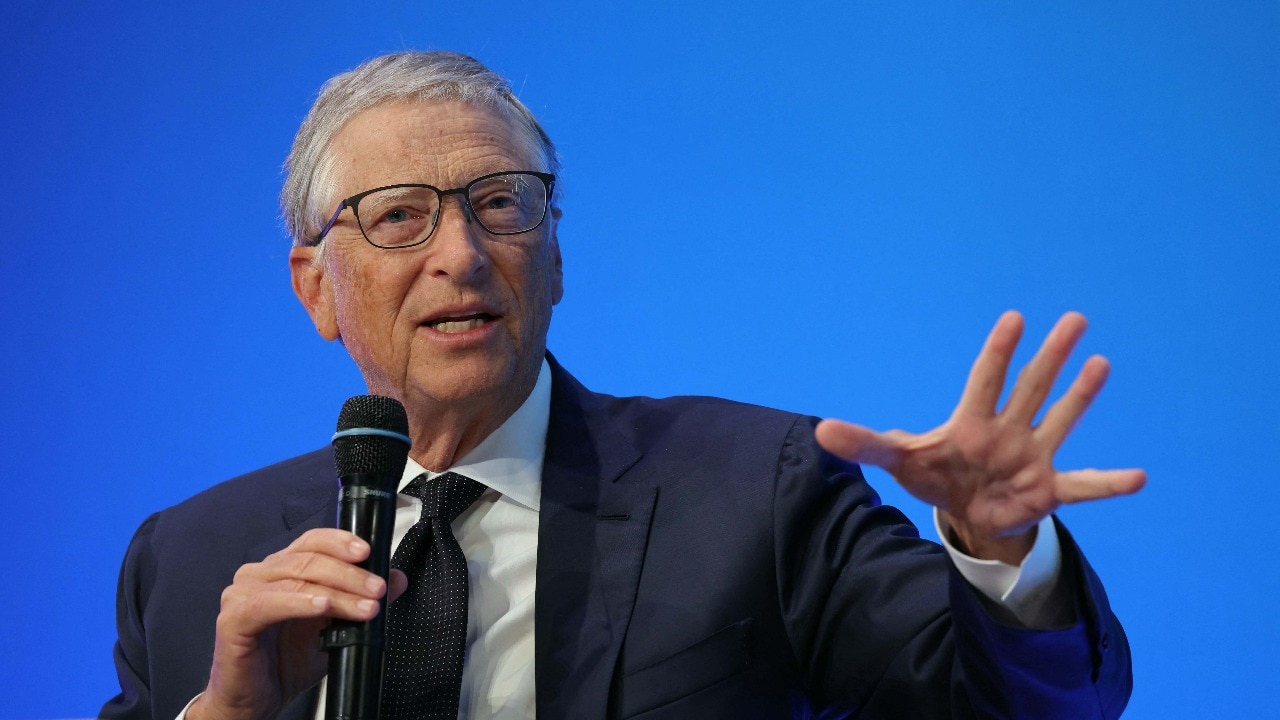
Bill Gates says humans are not ready for the disruption AI will bring in future. He warns that AI will eat up millions of jobs affecting the younger generation the most.Bill Gates once role-played as a college dropout applying for his first job. (Photo: AFP)Humans are not ready for what AI could bring in the coming years. That’s the warning from Microsoft co-founder Bill Gates. He says the world needs to prepare now for a period of rapid change driven by AI. A change that he suggests could affect jobs, governments, businesses and even human relationships.In his latest blog post, titled ‘The turbulent AI era is here. The choices we make now are critical’, Gates talks about the potential benefits and risks of AI. He describes the transition to the AI era as one of the most turbulent periods in human history. While Gates acknowledges the huge potential AI has to improve human life, from helping doctors and teachers to improving agriculture and government services, he also warns that society is not prepared for the disruption the technology could bring.Gates says AI is bringing major risks to humanityGates says the AI transition comes with three major risks, with job loss being the first. He warns that AI will not just affect one sector, but could take on work across law, customer service, medicine, software and manufacturing. “It will hit these industries rapidly, over the course of a decade rather than a few generations,” Gates wrote in his blog post.According to Gates, entry-level and mid-level jobs are most at risk in an AI-led world, while many of the new jobs being created will require skills that take years to learn. He also expects AI to affect a wide range of industries, including sales and customer support, software engineering, paralegal work, law, medicine and manufacturing. “There will be some new jobs, but without the right policies there will be far fewer than exist today,” he writes. And the impact, according to Gates, will not be limited to white-collar work. “I think ‘smart’ robots will begin to compete with people on some physical tasks—in the construction and hospitality industries, for example—by the end of the decade,” Gates says.Gates says the speed of this shift is what makes the future particularly worrying. “It will hit these industries rapidly, over the course of a decade rather than a few generations,” he writes. Gates says he is particularly worried about young people entering the workforce. “I’m especially worried about young people, who will enter a workforce with fewer entry-level openings.” He says AI could make it harder for young workers to get their first opportunities as AI becomes more capable. “That means they’ll have fewer opportunities to gain experience and learn from older workers,” he adds. Gates warns AI could make cyber threats worseThe second concern Gates highlights is how AI could make existing digital threats more powerful. He points to risks such as fraud, deepfakes, misinformation and cyberattacks, which could become harder to control as AI gets better. He also worries that governments could use powerful AI systems in dangerous ways.“The bad actors will have powerful new tools at their disposal,” Gates warns.Gates says we need a plan for the AI transitionGates is not asking the world to slow down AI. He believes the technology could bring major benefits, from helping doctors and teachers to improving government services. But he urges policymakers to have a plan to deal with the worst of what the future could bring. “We need a plan for managing the AI transition,” he says, because the changes could come too quickly for society to handle.Gates wants governments to work together on jobs, education, healthcare, taxation, energy and national security. He also suggests keeping some roles for humans, especially jobs that need empathy and human connection, under his “Human Reserved” idea. He also proposes taxing AI tokens and robots to help fund retraining and support workers affected by automation.- EndsPublished By: Divya BhatiPublished On: Aug 26, 2026 18:34 IST
Bill Gates warns humans are not ready for turbulent AI era, need plan ASAP
Full Article
Original Source
Read the full article at Indiatoday →KhanList aggregates and links to publicly available news content. We do not host full articles from third-party sources. Always verify important information with original sources.