
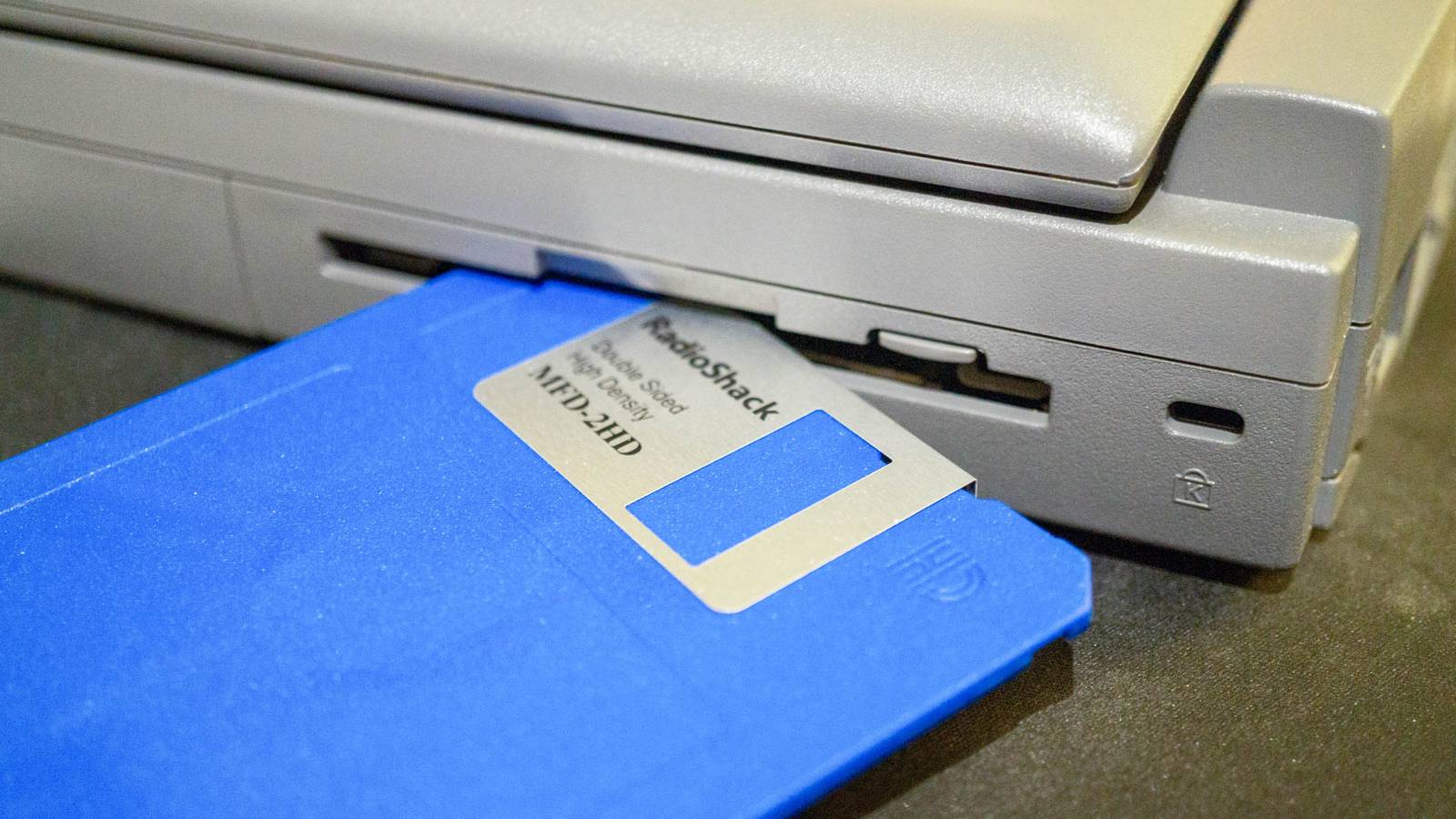
Published Sep 3, 2026, 12:15 PM EDT Sydney Butler is a technology writer with over 20 years of experience as a freelance PC technician and system builder and over a decade as a professional writer. He's worked for more than a decade in user education. On How-To Geek, he writes commerce content, guides, opinions, and specializes in editing hardware and cutting edge technology articles. Sydney started working as a freelance computer technician around the age of 13, before which he was in charge of running the computer center for his school. (He also ran LAN gaming tournaments when the teachers weren't looking!) His interests include VR, PC, Mac, gaming, 3D printing, consumer electronics, the web, and privacy. He holds a Master of Arts degree in Research Psychology with a minor in media and technology studies. His masters dissertation examined the potential for social media to spread misinformation. Outside of How-To Geek, he hosts the Online Tech Tips YouTube Channel, and writes for Online Tech Tips, Switching to Mac, and Helpdesk Geek. Sydney also writes for Expert Reviews UK. He also has bylines at 9to5Mac, 9to5Google, 9to5Toys, Tom's Hardware, MakeTechEasier, and Laptop Mag. The floppy ruled removable storage for decades, but it quickly became too small and spurred on many pretenders to the throne. Yet while many tried to topple the floppy from its throne, it clung on far longer than you'd expect. Zip disks promised a super-floppy future but never replaced the original Zipping into obscurity When I first saw the adverts for 100MB Zip drives in computer magazines, it looked like the next big thing in the PC world. I desperately wanted one, but a few things held me back. The biggest was that I was a penniless teenager, but more than that, no one else I knew used this format, so who would I exchange data with? Apparently, they did get some use in professional contexts, which makes sense if a company is equipping its computers with these proprietary drives, but expensive disks that only Iomega had the right to make nipped this one in the bud. Besides, the idea of transferring 100MB, 250MB, and later 750MB using a parallel port sounds like and ordeal. Though faster interfaces were an option, they just would not be in any of the computers I had access to back then. LS-120 “SuperDisk” tried to be backward-compatible but arrived too late A super idea with less than super execution Iomega wasn't the only company with a similar idea. The LS-120 Super-Disk offered 120MB of storage, beating the first-generation Zip model. Imation was the main player behind this drive, and the big selling point was backward compatibility with 1.44MB floppies. The problem was that the SuperDisk was just too late. CD-Rs arrived in the late '90s offering cheap discs and lots more space. Sony’s HiFD aimed for massive floppy-style capacity Another doomed format from Sony Sony is such a weird company when it comes to physical media. It loves making its own proprietary storage formats (e.g. Memory Stick) which is usually quite good on a technical level, but then ends up making it expensive and keeping others from buying in. The MiniDisc is another good example of a fantastic format that Sony itself prevented from becoming truly great. So it was with the Sony HiFD (High-Capacity Floppy Disk) which kicked off with 200MB of storage and later 240MB. Like the LS-120, the HiFD was backward compatible with regular floppies. It all sounds good, but Sony had to delay HiFD because of reliability issues that required a partial redesign. This meant HiFD entered the market in time to be swept aside by CD-R. Bernoulli disks were powerful but too expensive Long before Zip disks existed, Iomega was already experimenting with high-capacity removable storage using the Bernoulli Box. Launched in the early 1980s, the Bernoulli drive uses removable cartridges that store tens of megabytes. During a time when a hard drive might only be 20MB or 40MB in size. The technology relied on the Bernoulli principle, where air pressure created a cushion that kept the disk surface from touching the read/write head. However, Bernoulli drives were large, expensive, and aimed at professional environments like engineering workstations and early PC servers. They were far too costly to replace cheap, disposable floppy disks for everyday file transfers. It was a very cool idea, but it turned out to be a dead end. SyQuest cartridges dominated creative workstations but not PCs During the late 1980s and early 1990s, SyQuest removable cartridge drives became pretty popular in industries like publishing, graphic design, and multimedia production. SyQuest's approach wasn't to build a better floppy disk, but to make hard drive technology into something more suitable for portability. It's hard to imagine now, but external, portable hard drives weren't really a thing until the 2000s. They were too fragile, the external interfaces were too slow, and they were pretty expensive. These hard disk cartridges weren't large by modern standards. Starting at 44MB, and eventually offering 88MB, 200MB, and so on. But, for anyone during the era working with large images, desktop publishing files, or any larger media, this was a huge improvement over using a stack of floppies. Ironically, SyQuest was killed off partially by technologies like the Zip Drive and LS-120 I mentioned above, which offered similar capacities, but at a much lower cost. The main reason for its demise was, however, internal problems at the company. Ultimately, USB flash drives and CDs defeated all of them With the benefit of hindsight, it's a little funny to see that what actually toppled the floppy was a combination of flash drives and CD-R technology. That's exactly the jump I made. I went from a floppy disk to a 64MB flash drive. A single world file for school homework would not fit in 1.44MB, so the time had come. While these companies were trying to replace the floppy and end its reign by building a better floppy or making hard drives more portable, the real successors were based on a completely different set of technologies. Today, we're still using hard drives and I doubt they'll be going anywhere as they keep improving. They might not be good as system drives anymore, but still rule for storage. Even wilder, floppy disks are still in use today. In the end, the plucky floppy outlived them all, and you have to admire that.
Before the USB flash drive: 5 'floppy killers' that lost the retro storage war
Full Article
Original Source
Read the full article at Howtogeek →KhanList aggregates and links to publicly available news content. We do not host full articles from third-party sources. Always verify important information with original sources.