
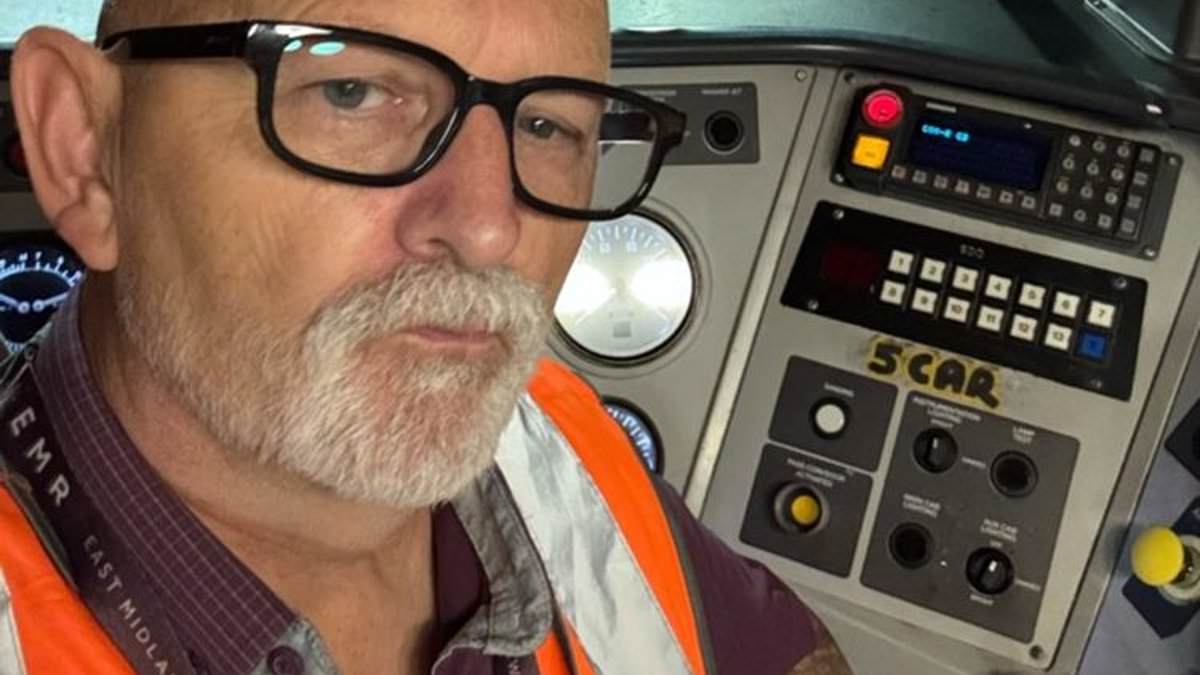
Survivors of a train crash near Bedford that claimed the life of a driver are calling for a safety system to be installed that they say could have averted disaster - after Network Rail opted not to install it following a safety review.East Midlands Railway (EMR) driver Shaun Burton, 60, was killed after his Class 360 Luton Express ploughed into the back of a Class 810 high-speed train at 50mph on June 19 south of Bedford station, injuring 160 people, 11 very seriously.An interim report published today by the Rail Accident Investigation Branch (RAIB) found Mr Burton passed through a red signal at 58mph as he joined the same line as the train in front, which had come to an unplanned stop due to a safety system fault.Mr Burton had been alerted to the red signal by a cabin alarm from the train's Automatic Warning System (AWS) - but he silenced it and continued accelerating up to 76mph. He applied the brakes 10 seconds before the crash, 850ft away from the other train.While AWS - rolled out after a 1952 rail disaster in London - can alert a driver to danger up ahead, it cannot force a train to stop. But another system - the Train Protection & Warning System (TPWS)Solicitors acting for some of the 257 people on board both trains today said the crash could have been averted had another system that can force emergency stops - the Train Protection and Warning System (TPWS) - been installed on the line.TPWS was rolled out following fatal rail accidents including the 1997 Southall crash and the 1999 Paddington disaster. It requires additional equipment to be installed on the track, and estimates put the 'cost per life saved' at £8.8million. At present, Network Rail only installs it in 'high risk' areas, such as near converging railway lines - despite an inquiry recommending a full roll-out on high-speed lines like those at Bedford. The scene of the Bedford train crash in June in which injured 160 people and killed train driver Shaun Burton Train driver Mr Burton, 60, was killed in the crash. An interim report has found he accelerated through a red signal in the moments before he suffered fatal injuries And as the Daily Mail reported days after the crash, Network Rail reviewed the signal at Bedford last year - and, to the anger of those hurt in the crash, decided that it did not need TPWS.Des Collins, a lawyer representing a number of the crash victims, said today: 'While we recognise there is much more to be determined, it is already clear from today's report that the fact of a SPAD was compounded by a lack of TPWS on that stretch of railway.'This system is specifically designed to automatically bring a train to a safe stop, which would have prevented this accident.'What appears troubling is Network Rail's assessment that there was no need for a TPWS in that area which they deemed as low risk. 'Yet again, the lessons of Paddington and Southall Inquiries have failed to be implemented, to the detriment of passengers.'The RAIB is continuing to investigate the collision, with a final report unlikely to be published until well into next year.It says it is yet to ascertain why why Mr Burton - described as a 'devoted' train driver - silenced an alarm designed to alert him to the fact he was at a red signal and continued to accelerate until he saw the train in front.Questions are also still being asked about why the front train's emergency brakes were applied automatically due to a fault with its AWS equipment. Network Rail has tested the on-track AWS safety systems and found no faults.In a statement, East Midlands Railway said it could not comment on the RAIB's interim report, citing the ongoing investigation.It added: 'Our focus remains on supporting those affected by the incident, while continuing to work with the relevant authorities and carefully considering any recommendations identified through the investigation process.'We will do everything we can to act on the lessons of this incident and take all appropriate steps to prevent something similar from happening again.'A Department for Transport spokesperson said: 'Our deepest sympathies remain with everyone affected by this tragic incident. 'Safety remains the absolute priority across our rail network and while incidents like this are incredibly rare in, when they do occur, they are taken incredibly seriously. 'We will ensure the industry acts on any findings in the Rail Accident Investigation Branch's full report once published.'Network Rail was contacted for comment.
Bedford train crash survivors call for new safety system on line as official report shows driver who was killed sped up as he passed red warning signal
Full Article
Original Source
Read the full article at Dailymail →KhanList aggregates and links to publicly available news content. We do not host full articles from third-party sources. Always verify important information with original sources.