
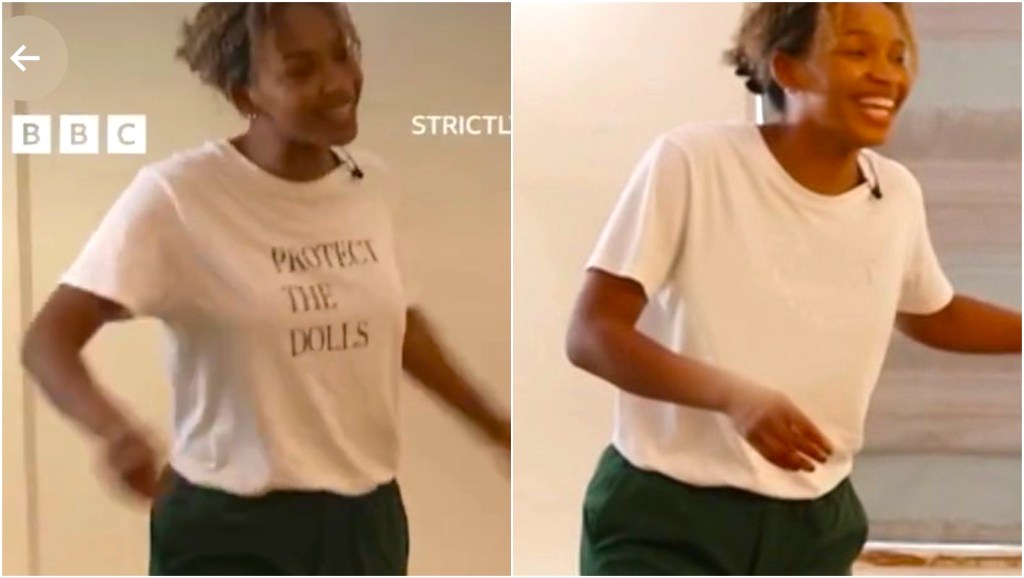
EXCLUSIVE: BBC director general Matt Brittin has told staff that the UK broadcaster is “not an anti-LGBTQ+ organization” after facing angry questions about the removal of transgender rights symbols in TV shows. During an internal town hall meeting on Thursday, Brittin was asked at least a dozen questions about the corporation’s approach to LGBTQ+ issues and content. It follows the BBC blurring out the trans rights slogan, “Protect the Dolls,” on the T-shirt of Bethany Antonia, the House of the Dragon actress who competed on Strictly Come Dancing. Later in October, the BBC digitally removed LGBTQ+ pride flag pins being worn by contestants on University Challenge, the quiz show hosted by Amol Rajan. During the BBC town hall meeting, one employee contrasted the removal of the LGBTQ+ symbols with the broadcaster’s insistence on presenters wearing Royal British Legion Poppy badges, honouring members of the armed forces. Watch on Deadline In the comment, which was reviewed by Deadline and received more than 100 upvotes, the staffer added: “Is this not hypocritical and suggests the BBC is an anti-LGBT organization (and particularly the T part of LGBT)?” Per an audio of the meeting obtained by Deadline, Brittin responded: “We are definitely not an anti-LGBTQ+ organization, and we want to be inclusive of everyone.” He continued: “There is a challenge, I think, for an organization which has editorial due impartiality at its heart, between how we do our journalism and reporting, and what the standards we hold our presentation of news in particular to, and the inclusive values of an organization that is one where everyone can thrive. And sometimes those are in conflict. “We have very high bar editorial guidelines, which is where things like the poppy wearing comes from … But that’s something which we always need to kind of have a look at. We have to evolve our standards in line with how society is evolving.” BBC boss Matt Brittin BBC Brittin’s response did not seem to satisfy some insiders. “Given that the BBC isn’t an anti-trans organisation, why do so many trans people and allies think it is?” one asked. Another added: “There are people aged 25+ who refuse to pay the BBC license due to the BBC’s stance on transphobia — can you explain what these guidelines are and why trans symbols of support are banned? The initial response did not seem to speak to a worry [that] the BBC silently supports transphobia.” Others agreed. “How can we in good conscience expect LGBT audience members and their loved ones to pay for the ‘service’ of having their lives treated as a controversy?” an employee asked. Another added: “‘Protect The Dolls’ is not an editorial guideline to be followed or not. It is a fact, and anything less IS anti-LGBTQ+.” During the internal meeting, Brittin referenced work the BBC is doing to roll out anti-semitism and anti-Islamophobia training for employees. This prompted one insider to ask: “When might we have anti-transphobia training at the BBC too? Trans people are being actively demonised and attacked, including by the BBC, although there is no focus on this at all.” One employee questioned the BBC’s recent decisions to cancel RuPaul’s Drag Race UK and queer dating show I Kissed a Girl/Boy. They said it was “really damaging to LGBTQ+ members of the BBC.” Another person commented on the BBC’s news output on transgender matters: “How many people in senior editorial roles believe that being trans is a political/debatable issue? I am seeing a growing dehumanisation in how trans people are referred to in news copy etc. We seem to have decided that readers are too stupid to understand the concept of a trans person.” The removal of LGBTQ+ symbols is the latest flashpoint between the trans community and the BBC. In 2021, more than 20,000 people signed an open letter accusing the BBC of failing in its reporting on transgender matters. Trans rights advocates protested outside the BBC headquarters in 2021 and 2022, with demonstrators calling for a rethink of how the broadcaster represents the community.
BBC Boss Confronted By Angry Staff Over “Banning” Of Trans Rights Symbols In TV Shows
Full Article
Original Source
Read the full article at Deadline →KhanList aggregates and links to publicly available news content. We do not host full articles from third-party sources. Always verify important information with original sources.