
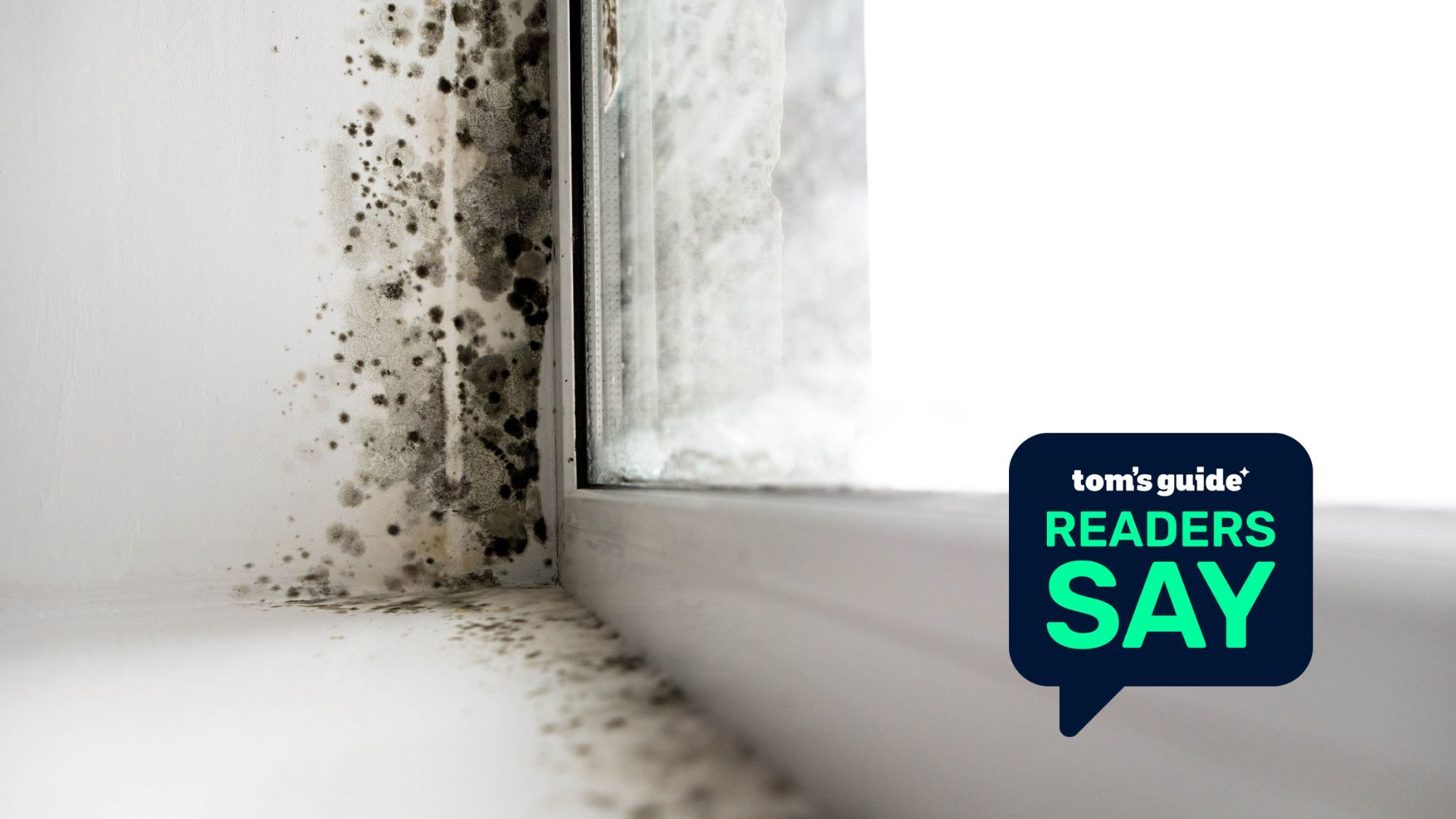
(Image credit: Shutterstock/Future) During the colder months of the year, a problem can quickly emerge in our homes – damp and mold. The drop in the outside temperature and the warm air we're keeping inside can create the ultimate breeding ground around our homes.With a rise in condensation lining our windows, added to the fact that we're keeping those windows shut to keep the cold out, it can spell trouble.In the summer, it's much easier to keep our homes well ventilated and drier. But as we head deeper into fall and winter, we start searching for things like 'how to avoid the fall mold trap'.So, in a bid to offer some targeted advice, we asked our readers: "Where is your home's ultimate mold spot?" And the answer wasn't exactly surprising, but it was certainly overwhelming.With over 3,000 responses, here's what came out on top.The worst place for mold in our homes, according to readers Scrubbing mold from bathroom caulk (Image credit: Shutterstock)There was one standout answer from our poll with 2,562 votes totalling 73% of all answers and that's that our bathrooms are the ultimate mold hotspot. Specifically, grout, shower walls and bath mats being real hotbeds for mold growth.With less than 1,000 votes distributed over the other three answers, it's a clear winner (or loser) of the poll. The next hotspot came out as the basement or sub-levels with 503 votes (14%), then the laundry room for 279 votes (8%), or for some lucky readers, nowhere at all with just 153 votes (4%).Get instant access to breaking news, the hottest reviews, great deals and helpful tips.I've tackled the mold and damp in my bathroom for years and I constantly find myself asking: "Why does mold keep coming back?"Fortunately, it's helped me put together some top tips for tackling the mold and they're all fairly simple to do.How to tackle mold in your bathroomFrom using kitchen gadgets to reduce mold to easy shower cleaning tricks, depending on how much time you've got on your hands, these are the other top tips I recommend to try out on your bathroom to get ahead of the mold.1. Open windows (Image credit: Shutterstock)This one might seem obvious, but opening windows in your bathroom might be something you avoid in the fall and winter to keep the cold air out. But, you should at least open the windows in your bathroom during and/or after a shower or bath to let the moisture escape and to help with ventilation.If you're worried about the cold, even opening it a crack will help. Or, open the window and then shut the bathroom door to prevent cold air escaping around your entire home. It doesn't need to be open for long, but the mold spores will thrive if given the right damp conditions.2. Dry your towels asap (Image credit: Barratt London)After you've dried yourself off from a shower or bath, you'll often hang up the damp towels to then dry off in your bathroom. While this is fine, it becomes a lot harder to do when the room is cold. Ideally, you'll have your radiators on in your bathroom regularly, or at least when you need to dry your towels.This will ensure they dry quickly instead of staying moist and damp creating a perfect environment for mold to grow. It's also a good idea to switch your towels out regularly, especially bath mats and hand towels as they get used more often.3. Use a hygrometer (Image credit: Getty Images)During our Tom's Guide poll, we also asked an expert for some advice on how to prevent mold and they suggested a hygrometer is the way to go. This is an important device for measuring the humidity in your home and can be used to ensure it sits at the correct level.Michael Rubino, mold and air quality expert and founder of HomeCleanse, reveals that the humidity level plays an integral part in mold growth: "Mold can grow at a relative humidity level of 60%. Keeping it below this threshold helps ensure mold can't take advantage of the opportunity."4. Wipe down tiles and grout (Image credit: Shutterstock)You might have noticed after a bath or shower that the moisture drips from the tiles around your bathroom, as well as the grout around the edges. This is because it's a purposefully been chosen not to absorb the water, unlike wallpapers or paints that can be easily ruined when exposed to water. But, that means it also helps the moisture to stick around in your bathroom.Grab a microfiber cloth, towel or hand towel to dry down the tiles and grout to reduce the amount of moisture that hangs around after you've used your bathroom. This way, you'll be physically reducing the chance of mold spores and growth and it won't cost you anything at all – just a little extra time that can be turned into a habit. Follow Tom's Guide on Google News and add us as a preferred source to get our up-to-date news, analysis, and reviews in your feeds. More from Tom's Guide'I can't remember the last time I cleaned this' — 5 hidden dirt zones in your house 6 easy tips for removing limescale from your shower door How to clean mold from bathroom caulk Grace is a freelance journalist working across homes, lifestyle, gaming and entertainment. You'll find her writing for Tom's Guide, TechRadar, Space.com, and other sites. If she's not rearranging her furniture, decluttering her home, or relaxing in front of the latest streaming series, she'll be typing fervently about any of her much-loved hobbies and interests. To aid her writing, she loves to head down internet rabbit holes for an unprecedented amount of time.
Battling bathroom mold? Turns out 73% of Tom's Guide readers are too — here are my top fixes this fall
Full Article
Original Source
Read the full article at Tomsguide →KhanList aggregates and links to publicly available news content. We do not host full articles from third-party sources. Always verify important information with original sources.