
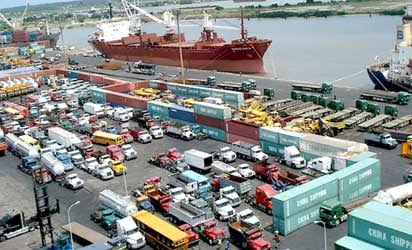
I write to draw attention to the urgent need to fully operationalise the Baro Inland Port in Niger State, a strategic national infrastructure project with the potential to transform agricultural trade, reduce transportation costs, create jobs and strengthen Nigeria’s economic integration. Baro Port represents more than a facility in Niger State. It is a national economic asset whose strategic importance extends across northern Nigeria and the wider country. Its revival aligns with your administration’s economic diversification agenda, the development of the blue economy, food security, infrastructure expansion and the objectives of the African Continental Free Trade Area (AfCFTA). Yet, several years after its commissioning in 2019, the port remains constrained by inadequate road access, insufficient dredging and incomplete rail connectivity. This situation demands urgent and coordinated federal intervention. Baro has a long commercial history. Established in 1908, it served as a transportation link for agricultural produce, livestock and other commodities moving between northern and southern Nigeria. The modern port was developed to restore that function through a more organised inland logistics system. According to the Federal Ministry of Information and National Orientation, the facility includes a 150-metre quay, a 7,000-square-metre cargo stacking yard, a 3,600-square-metre transit shed and cargo-handling equipment. These facilities were intended to support inland cargo distribution and trade. The financial implications of prolonged underutilisation are significant. In August 2025, the Managing Director of the National Inland Waterways Authority (NIWA), Bola Oyebamiji, told a House of Representatives ad hoc committee that the project had been awarded at ₦3.56 billion, with approximately ₦3.35 billion, representing 94 per cent of the contract sum, already paid. Despite this expenditure, the port has struggled to operate because essential supporting infrastructure remains inadequate. The figures underscore the need to protect the public investment already made and prevent further deterioration of the facility. The House committee, chaired by Saidu Musa Abdullahi, expressed concern during its 2025 oversight activities that the port could become a wasted investment without urgent rehabilitation of its access roads and waterways. A report by Premium Times also highlighted the poor condition of access roads, noting that a journey expected to take about 30 minutes could take more than four hours. These are not merely infrastructure deficiencies. They are barriers to trade, employment and economic opportunity. A functional Baro Port could strengthen the movement of agricultural produce, livestock, solid minerals and other commodities from Niger State and neighbouring regions to domestic and international markets. Aliyu Umar, aliyuumar721@gmail.com
BARO PORT AND ECONOMIC DIVERSIFICATION
Full Article
Original Source
Read the full article at Thisdaylive →KhanList aggregates and links to publicly available news content. We do not host full articles from third-party sources. Always verify important information with original sources.