
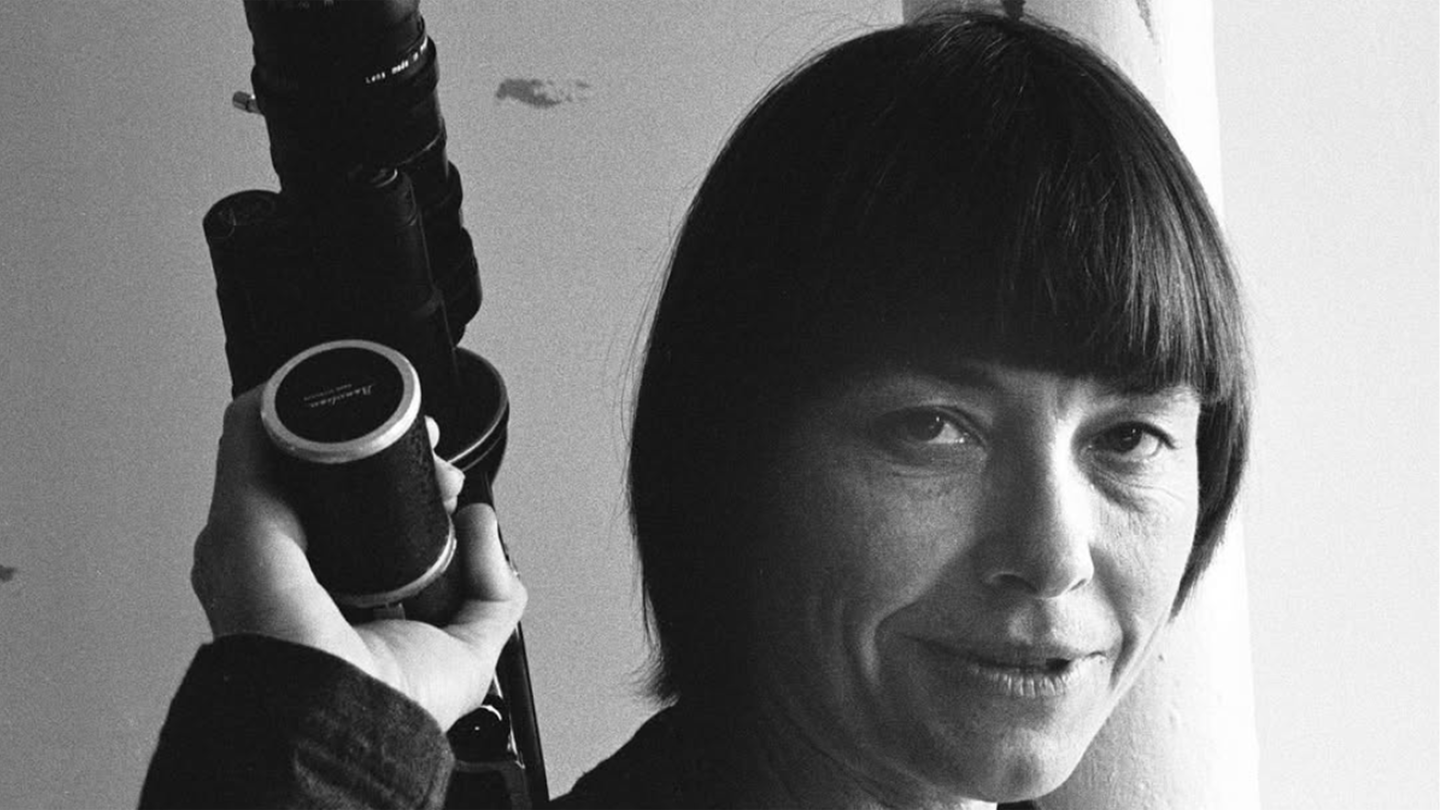
The filmmaker Barbara Hammer, a true pathfinder in the realm of queer aesthetics, experimental filmmaking and so much more, died in 2019 at the age of 79, having made dozens of films. Judging by the footage seen in documentary Barbara Forever of her life partner and executor Florrie Burke sifting through endless boxes and film cans, it would seem Hammer was perhaps also, understandably, one of those people who find it hard to throw anything out. Thank goodness, because her archive, now kept at Yale University, forms the basis of this lusty, vibrant and fittingly multi-textured bio-doc that pays fulsome tribute to Hammer’s shapeshifting, once undervalued but now increasingly revered talent. Barbara Forever The Bottom Line A loving tribute to a phenomenal talent. Release date: Friday, Sept. 4 With: Barbara Hammer, Florrie BurkeDirector: Brydie O’Connor 1 hour 42 minutes But while Hammer features in nearly every frame, and most of the footage was shot or directed by the late filmmaker, viewers are also subtly aware of the guiding hand of Barbara Forever‘s director, archival producer Brydie O’Connor. The latter also made a precursor short about Hammer, Love, Barbara (2022), and here once again she is palpable as an offscreen but collaborative editorial presence that is shaping Hammer’s material for easier consumption. That collectivist spirit is apt given that Hammer sought out younger artists, such as trans-masc filmmaker Joey Carducci, to finish as they saw fit projects that Hammer originally started. As it’s about to go into limited distribution, Barbara Forever comes garlanded with many awards from various film festivals, and while all those plaudits are no doubt deserved, you can’t help thinking the Jonathan Oppenheim Editing Award it won at Sundance really puts a button on what may be the film’s most extraordinary achievement, separate from its content. The content is what most people will come for, however, a kaleidoscopic feature-length fever dream that runs through the eventful, peripatetic life of Barbara Hammer. Skipping her Southern California childhood and college years, the story essentially starts when she becomes a filmmaker, armed with little more than a Super 8 camera and a keen eye. Unsurprisingly, not a lot of time is spent on her first marriage to a man, Clay Ward. But it’s notable that the trip around the world she took with him gets repeated in a long motorcycle tour she takes with one of her first lesbian lovers, both jaunts producing material on which to hone her filmmaking skills. As Hammer describes it, she didn’t really come out to even herself until she was in her late 20s/early 30s, but once she did there was certainly no going back. Just as her very first films drew on her own life and those around her, her first queer films celebrated lesbian love with abandonment and featured herself, her lovers and her friends, frequently naked and in the throes of passion. 1974’s Dyketactics is widely considered one of the first erotic films to show lesbian lovemaking made by a lesbian. “The essence of the shots [is that they] all had the sense of touch in them,” Hammer later remarks, and throughout her work shots of hands stroking, bodies entangled, caressing and caressed celebrate and glorify the female form. Strong-jawed and athletic of figure, Hammer was a real hottie in her younger days, and we see her naked a lot here, entwined with lovers, her pubic hair with flowers, standing alone striking body-builder poses, or working out on a trapeze (in Double Strength, 1978) when she was in her circus/performance artist phase. Hammer’s voiceover insists they couldn’t find costumes that they liked so they had to be naked. Yeah, sure, Barbara. Just as Hammer outgrew 8mm and 16mm film stock and moved on to video and digital formats, her style and choice of topics also kept changing and evolving, leaving behind the more experimental, non-narrative concerns to embrace a more traditional documentary approach. O’Connor deftly encapsulates this breadth, ranging from films asking random strangers on the subway to ask other people what they’re reading, to attempts to create an erased history of lesbianism (History Lessons, 2000) or all kinds of queer love in a time of AIDS (Nitrate Kisses, 1992). In the 21st century, her output slowed a bit but she continued to explore queer history, sensuality and her own history and relationship to her aging body, especially after she was diagnosed with ovarian cancer in the late 2010s (A Horse Is Not a Metaphor, 2009) and again when it recurred before her death (Evidentiary Bodies, 2018). Of course, with such a sprawling, varied filmography, O’Connor can’t really pay equal attention to each film but most longterm fans of Hammer should be satisfied with this zippy overview that gets across her range as an artist, her warmth and charm as a person, and her significance as a historical figure. Hammer is heard grousing a couple of times about how little her work has been honored by major cultural institutions, and it’s pleasing to see that that started to change toward the end of her life. Now that Barbara Forever has passed through its own early life stage as a product, having trotted round the fest circuit before entering the niche release phase of its life cycle, we can hope it will come to rest as an anchoring, introductory text to its primary subject either at museums or as part of physical media packages for the cognoscenti. Barbara, a bit of a hoarder, would have probably liked that.
‘Barbara Forever’ Review: Queer Experimental Filmmaker Barbara Hammer Gets a Tactile, True and Treasurable Career Overview
Full Article
Original Source
Read the full article at Hollywoodreporter →KhanList aggregates and links to publicly available news content. We do not host full articles from third-party sources. Always verify important information with original sources.