
The future of the state pension is in doubt. Ask any young person today, and most will tell you they do not believe that it will exist by the time they retire. But I believe a simple change could guarantee the future of the state pension and even provide a greater income for everyone. The state pension currently costs the government about £146bn a year. The Office for Budget Responsibility (OBR) estimates that it accounts for about 5 per cent of GDP, and expects this to almost double to 9 per cent by the 2070s. Shorts Why does it cost so much? There are two main reasons. The first is that we have an ageing population, meaning we have more people and they are living longer in retirement. The second is the triple lock, which is the Government pledge to increase the state pension each year by the highest of inflation, average wage growth or 2.5 per cent. The triple lock was introduced so that pensioner incomes would keep up with the cost of living, but years of sky-high inflation and wage growth mean this promise is set to cost the Government an extra £15bn a year by 2030. That’s an awful lot of extra money to have to find each year. So it is not surprising that many people have started to question how sustainable the state pension is and if, in future, it will even exist. But there’s a third reason that the growing state pension bill is a huge problem for the Government. Technically, the state pension is funded by our national insurance contributions (NICs). This is a tax that is automatically deducted from your wages, and is 8 per cent of your wages between £242 and £967 a week, and 2 per cent of earnings above that amount. To qualify for the full state pension, you need to have paid 35 years’ worth of qualifying NICs over your working life. Because of that rule, many people assume their NICs go into a specific pot that is used to fund their pension. In practice, that’s not really the case. Instead, NICs help fund the NHS, state pension and other benefits. Any surplus is held in the National Insurance Fund and is effectively lent back to the Government through the Debt Management Account, where it earns interest at the Bank of England’s base rate. At 3.75 per cent, the base rate barely beats inflation and is far lower than the return you could get from the stock market. And don’t forget about all those years it was 0.5 per cent or even lower; that’s a bad return on your money by anyone’s measure. But I think NICs should be specifically invested for our retirement. If this money were put into a pot, properly invested and left to grow, it could easily cover the cost of the state pension – and probably make it a lot more generous too. According to the Office for National Statistics, the median pay for UK workers is £32,890. Based on this, a worker pays about £1,800 a year in NICs. Let’s say that amount was invested every year from when a worker was 22 years old until they were 67 (we’ll ignore wage increases to make the sums easier). Assume that money grew at 9 per cent a year, which is the average annual return of the global stock market, the MSCI World, since its launch. By age 67, they would have more than £1.1m. That is more than most people could ever dream of retiring with. Using a drawdown calculator, we can see how long that pot could last if someone drew from it a regular income while leaving the rest invested. Assuming you moved the money into less risky investments at this point so it grew at 5 per cent a year, you could withdraw an income of £3,000 a month (more than triple the current state pension) and by age 89 you wouldn’t have made a dent in the pot. You would have withdrawn a total of £792,000 in pension income and still have £1.1m left. This means that not only would the pension fund not run out, but it would also be large enough to provide for those who weren’t able to pay in during their working life – as well as help to fund other things like the NHS, benefits and even social care. I’ve simplified this for the purposes of the example, and obviously with investing there are ups and downs along the way. But my point is this: there is an awful lot of money going into the pot each year, and wherever that money is going right now, it’s not working. If it were invested wisely, there is no reason it shouldn’t grow over time to cover everyone’s needs in retirement. The system as it stands is not sustainable. If there are holes in the bucket, it doesn’t matter how much more water you pour on top; it’s still going to leak unless you fix the bottom. Something needs to change if today’s working people, who are diligently paying into the pot, are to stand a chance of getting anything out at the end. Because in its current form, I’m worried that young people today are paying into a system which will get to a point where there is nothing left to give out. When I was a builder’s labourer, earning £40 a week, I was happy to pay my NICs, because I knew that’s how the system worked: pay in for your working years and you’ll be looked after when you’re older. When we can no longer guarantee that promise will be honoured, something has gone wrong.
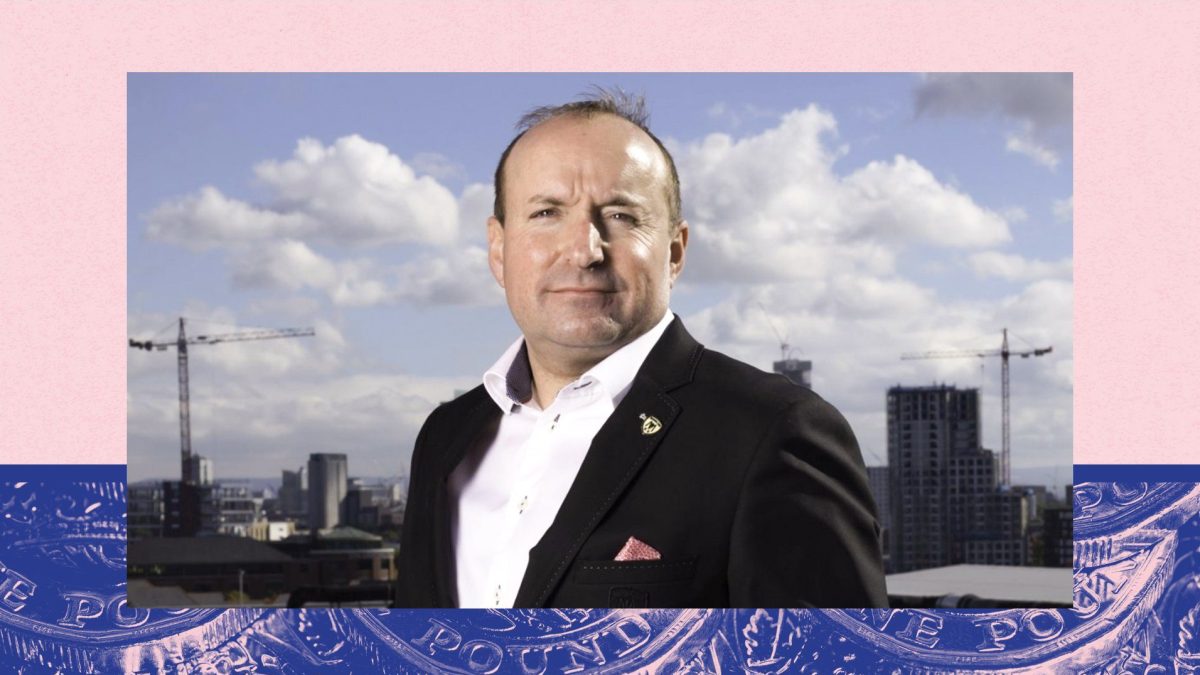
Bank of Dave: I know the one thing that could fix the state pension for everybody
Full Article
Original Source
Read the full article at Inews →KhanList aggregates and links to publicly available news content. We do not host full articles from third-party sources. Always verify important information with original sources.