
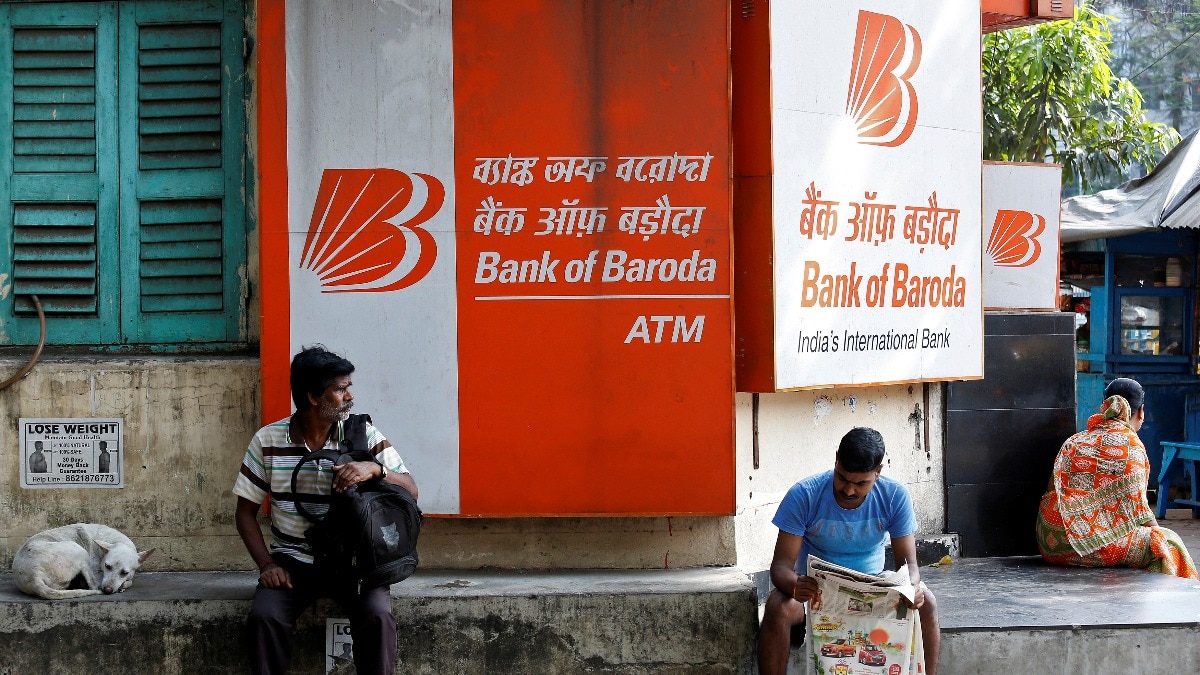
Reports say nearly 1TB of Bank of Baroda customer-linked data has surfaced online, and the bank is investigating the claims. Experts say the bigger immediate risk is phishing, urging customers to tighten security and stay alert.Customers urged to change passwords and verify transactions regularly. (REUTERS/Rupak De Chowdhuri)The alleged Bank of Baroda data breach has left millions of customers asking the same question: Is my money still safe?According to reports, nearly 1TB of data linked to the public sector lender has allegedly surfaced online. The leaked database is said to include customer names, Aadhaar details, account information, loan records, internet banking details and other sensitive information.The bank has said it is investigating the claims and has not yet confirmed whether the leaked data is genuine.While the investigation is underway, cybersecurity experts say customers should not panic, but they should not ignore the reports either. A data breach does not automatically mean criminals can access your bank account or steal your savings. However, if personal information has indeed been exposed, it could be misused in highly sophisticated scams designed to trick customers into revealing confidential banking credentials.Here's what Bank of Baroda customers need to know.IS YOUR MONEY SAFE? The short answer is yes—in most cases.Many people assume that once a bank's customer data is leaked, hackers can immediately transfer money out of customer accounts. That is usually not how banking fraud works.Modern banking systems are protected by several layers of security. Even if someone has access to your name, account number or Aadhaar details, they generally cannot withdraw money unless they also obtain additional authentication credentials.Banks rely on multiple safeguards before a transaction is completed. These include login passwords, transaction passwords, UPI PINs, one-time passwords (OTPs), debit card PINs, device authentication, behavioural fraud detection systems and transaction monitoring.These layers are designed so that a single piece of leaked information is usually not enough to compromise an account.This means the alleged leak, by itself, does not automatically put your savings at risk.THE BIGGER THREAT ISN'T HACKING—IT'S PHISHINGIronically, the biggest danger after a data breach is often not a hacker breaking into your bank account.It is someone convincing you to let them in.Cybersecurity experts refer to this as social engineering.If fraudsters have access to personal information such as your name, mobile number, branch details, Aadhaar number or account information, they can make phone calls, send emails or WhatsApp messages that appear remarkably genuine.Imagine receiving a call from someone claiming to be a Bank of Baroda executive.The caller already knows your name, your branch and perhaps even the last four digits of your account number. That immediately makes the conversation sound legitimate.The caller then says your account has been affected by the recent data breach and asks you to "verify" your identity by sharing an OTP or clicking on a link.Many customers may believe they are speaking to the bank.In reality, they are handing over the final piece of information needed to commit fraud.That is why cybersecurity professionals say phishing becomes a much bigger risk after a major data leak than direct hacking.WHAT SHOULD CUSTOMERS DO RIGHT NOW?Even if the breach is still being investigated, there is no harm in taking preventive steps.Change your internet banking and mobile banking passwords.This should be your first step, particularly if you have been using the same password across multiple websites. Password reuse is one of the biggest reasons cybercriminals are able to compromise several accounts after a single breach.Create a new password that is long, unique and difficult to guess. Avoid using birthdays, names or simple number combinations.If your banking app allows biometric authentication such as fingerprint or face recognition, keep it enabled.ENABLE EVERY AVAILABLE SECURITY FEATUREWherever possible, ensure two-factor authentication is active.This means even if someone somehow learns your password, they still cannot access your account without completing another verification step.Also secure the email account linked to your bank account because password reset links are often sent there.MONITOR YOUR ACCOUNT MORE FREQUENTLYCustomers should not wait for the monthly account statement.Check your banking app regularly over the coming weeks.Look for unfamiliar transactions, failed login alerts or changes to your registered details.Cybercriminals sometimes begin with very small transactions simply to check whether an account is active before attempting larger frauds.The sooner suspicious activity is noticed, the easier it usually is to prevent further losses.BE EXTRA CAREFUL ABOUT PHONE CALLSFraudsters thrive during situations like this.Expect an increase in fake customer care calls claiming to help secure your account.Remember one simple rule:No genuine bank employee will ever ask for your OTP, ATM PIN, CVV, UPI PIN or internet banking password.Not over the phone.Not through SMS.Not on WhatsApp.Not by email.If anyone asks for these details, treat it as an attempted fraud and disconnect the call immediately.DON'T CLICK LINKS SENT THROUGH SMS OR WHATSAPPScammers often create fake banking websites that look almost identical to the official website.Customers receive messages saying:"Your account has been blocked.""Verify your KYC immediately.""Secure your account after the data breach."Clicking such links could lead to fake login pages designed solely to steal usernames and passwords.Always type the bank's website address yourself or open the official mobile banking application instead of using links received in messages.KEEP YOUR CONTACT DETAILS UPDATEDMake sure your mobile number and email address registered with the bank are still active.Transaction alerts are often the first indication that something unusual has happened.If alerts are going to an old mobile number or email account, you may not notice suspicious activity quickly.WHAT SHOULD YOU DO IF YOU NOTICE SOMETHING SUSPICIOUS?If you receive an unexpected OTP, notice an unauthorised transaction or suspect someone has gained access to your account, act immediately.Contact Bank of Baroda through its official customer care channels.Block your debit or credit card if necessary.Change your banking password.Report unauthorised transactions without delay.Quick reporting often improves the chances of limiting losses and resolving disputes faster.SHOULD YOU CLOSE YOUR BANK ACCOUNT?No.Experts generally do not recommend closing an account simply because reports of a data breach have emerged.Instead, customers should strengthen account security, remain vigilant and wait for the outcome of the bank's investigation.Unless there is evidence that banking systems themselves have been compromised, monitoring your account and following basic cyber hygiene practices is usually the most practical approach.The alleged Bank of Baroda data breach is undoubtedly a serious development and deserves close scrutiny.However, customers should remember that leaked personal information does not automatically translate into stolen money.The real danger lies in what criminals do with that information afterwards.By changing passwords, enabling additional security measures, monitoring accounts closely and refusing to share confidential banking credentials with anyone, customers can significantly reduce the risk of becoming victims of fraud while the investigation into the alleged breach continues.- EndsPublished On: Jul 27, 2026 14:06 IST
Bank of Baroda 1TB data leak: Is your money safe? Here's what customers should do
Full Article
Original Source
Read the full article at Indiatoday →KhanList aggregates and links to publicly available news content. We do not host full articles from third-party sources. Always verify important information with original sources.